Image Super-Resolution using an Efficient Sub-Pixel CNN
Author: Xingyu Long
Date created: 2020/07/28
Last modified: 2020/08/27
Description: Implementing Super-Resolution using Efficient sub-pixel model on BSDS500.

Introduction
ESPCN (Efficient Sub-Pixel CNN), proposed by Shi, 2016 is a model that reconstructs a high-resolution version of an image given a low-resolution version. It leverages efficient "sub-pixel convolution" layers, which learns an array of image upscaling filters.
In this code example, we will implement the model from the paper and train it on a small dataset, BSDS500. BSDS500.
Setup
import keras from keras import layers from keras import ops from keras.utils import load_img from keras.utils import array_to_img from keras.utils import img_to_array from keras.preprocessing import image_dataset_from_directory import tensorflow as tf # only for data preprocessing import os import math import numpy as np from IPython.display import display Load data: BSDS500 dataset
Download dataset
We use the built-in keras.utils.get_file utility to retrieve the dataset.
dataset_url = "http://www.eecs.berkeley.edu/Research/Projects/CS/vision/grouping/BSR/BSR_bsds500.tgz" data_dir = keras.utils.get_file(origin=dataset_url, fname="BSR", untar=True) root_dir = os.path.join(data_dir, "BSDS500/data") We create training and validation datasets via image_dataset_from_directory.
crop_size = 300 upscale_factor = 3 input_size = crop_size // upscale_factor batch_size = 8 train_ds = image_dataset_from_directory( root_dir, batch_size=batch_size, image_size=(crop_size, crop_size), validation_split=0.2, subset="training", seed=1337, label_mode=None, ) valid_ds = image_dataset_from_directory( root_dir, batch_size=batch_size, image_size=(crop_size, crop_size), validation_split=0.2, subset="validation", seed=1337, label_mode=None, ) Found 500 files. Using 400 files for training. Found 500 files. Using 100 files for validation. We rescale the images to take values in the range [0, 1].
def scaling(input_image): input_image = input_image / 255.0 return input_image # Scale from (0, 255) to (0, 1) train_ds = train_ds.map(scaling) valid_ds = valid_ds.map(scaling) Let's visualize a few sample images:
for batch in train_ds.take(1): for img in batch: display(array_to_img(img)) 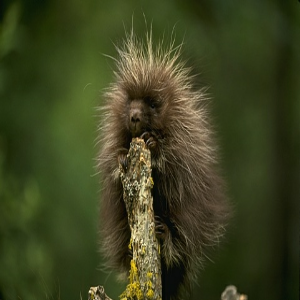
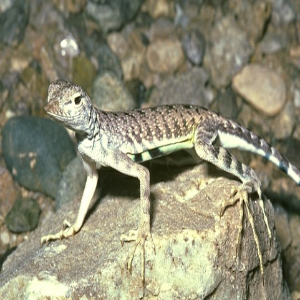
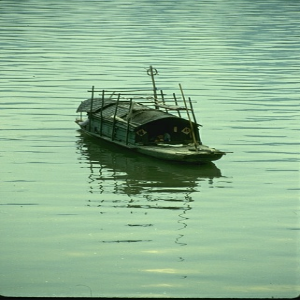
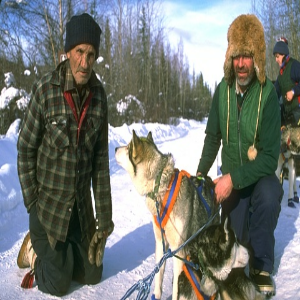
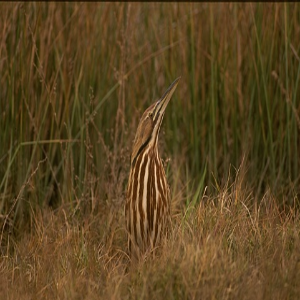

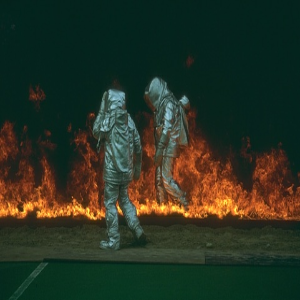
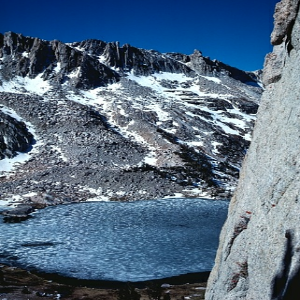
We prepare a dataset of test image paths that we will use for visual evaluation at the end of this example.
dataset = os.path.join(root_dir, "images") test_path = os.path.join(dataset, "test") test_img_paths = sorted( [ os.path.join(test_path, fname) for fname in os.listdir(test_path) if fname.endswith(".jpg") ] ) Crop and resize images
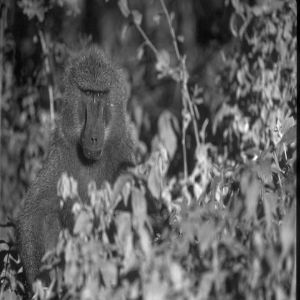
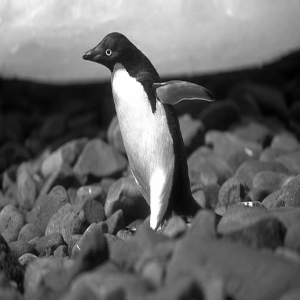
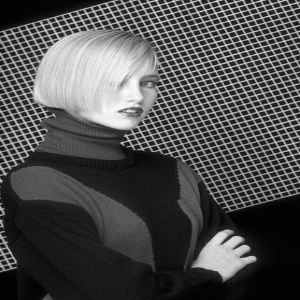
Let's process image data. First, we convert our images from the RGB color space to the YUV colour space.
For the input data (low-resolution images), we crop the image, retrieve the y channel (luninance), and resize it with the area method (use BICUBIC if you use PIL). We only consider the luminance channel in the YUV color space because humans are more sensitive to luminance change.
For the target data (high-resolution images), we just crop the image and retrieve the y channel.
# Use TF Ops to process. def process_input(input, input_size, upscale_factor): input = tf.image.rgb_to_yuv(input) last_dimension_axis = len(input.shape) - 1 y, u, v = tf.split(input, 3, axis=last_dimension_axis) return tf.image.resize(y, [input_size, input_size], method="area") def process_target(input): input = tf.image.rgb_to_yuv(input) last_dimension_axis = len(input.shape) - 1 y, u, v = tf.split(input, 3, axis=last_dimension_axis) return y train_ds = train_ds.map( lambda x: (process_input(x, input_size, upscale_factor), process_target(x)) ) train_ds = train_ds.prefetch(buffer_size=32) valid_ds = valid_ds.map( lambda x: (process_input(x, input_size, upscale_factor), process_target(x)) ) valid_ds = valid_ds.prefetch(buffer_size=32) Let's take a look at the input and target data.
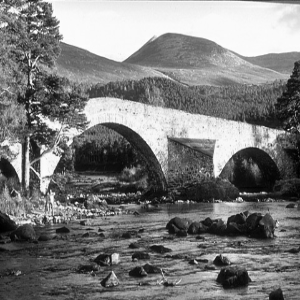
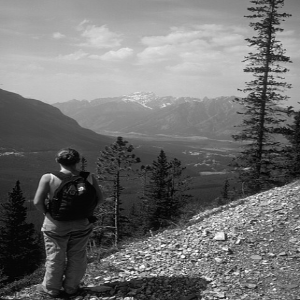
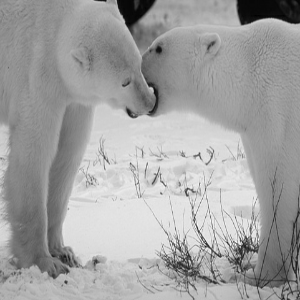
for batch in train_ds.take(1): for img in batch[0]: display(array_to_img(img)) for img in batch[1]: display(array_to_img(img)) 




Build a model
Compared to the paper, we add one more layer and we use the relu activation function instead of tanh. It achieves better performance even though we train the model for fewer epochs.
class DepthToSpace(layers.Layer): def __init__(self, block_size): super().__init__() self.block_size = block_size def call(self, input): batch, height, width, depth = ops.shape(input) depth = depth // (self.block_size**2) x = ops.reshape( input, [batch, height, width, self.block_size, self.block_size, depth] ) x = ops.transpose(x, [0, 1, 3, 2, 4, 5]) x = ops.reshape( x, [batch, height * self.block_size, width * self.block_size, depth] ) return x def get_model(upscale_factor=3, channels=1): conv_args = { "activation": "relu", "kernel_initializer": "orthogonal", "padding": "same", } inputs = keras.Input(shape=(None, None, channels)) x = layers.Conv2D(64, 5, **conv_args)(inputs) x = layers.Conv2D(64, 3, **conv_args)(x) x = layers.Conv2D(32, 3, **conv_args)(x) x = layers.Conv2D(channels * (upscale_factor**2), 3, **conv_args)(x) outputs = DepthToSpace(upscale_factor)(x) return keras.Model(inputs, outputs) Define utility functions
We need to define several utility functions to monitor our results:
plot_resultsto plot an save an image.get_lowres_imageto convert an image to its low-resolution version.upscale_imageto turn a low-resolution image to a high-resolution version reconstructed by the model. In this function, we use theychannel from the YUV color space as input to the model and then combine the output with the other channels to obtain an RGB image.
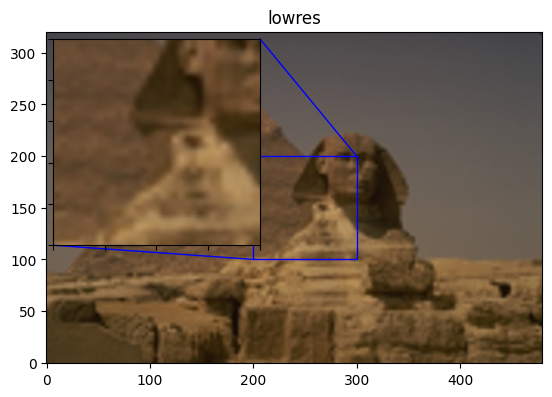
import matplotlib.pyplot as plt from mpl_toolkits.axes_grid1.inset_locator import zoomed_inset_axes from mpl_toolkits.axes_grid1.inset_locator import mark_inset import PIL def plot_results(img, prefix, title): """Plot the result with zoom-in area.""" img_array = img_to_array(img) img_array = img_array.astype("float32") / 255.0 # Create a new figure with a default 111 subplot. fig, ax = plt.subplots() im = ax.imshow(img_array[::-1], origin="lower") plt.title(title) # zoom-factor: 2.0, location: upper-left axins = zoomed_inset_axes(ax, 2, loc=2) axins.imshow(img_array[::-1], origin="lower") # Specify the limits. x1, x2, y1, y2 = 200, 300, 100, 200 # Apply the x-limits. axins.set_xlim(x1, x2) # Apply the y-limits. axins.set_ylim(y1, y2) plt.yticks(visible=False) plt.xticks(visible=False) # Make the line. mark_inset(ax, axins, loc1=1, loc2=3, fc="none", ec="blue") plt.savefig(str(prefix) + "-" + title + ".png") plt.show() def get_lowres_image(img, upscale_factor): """Return low-resolution image to use as model input.""" return img.resize( (img.size[0] // upscale_factor, img.size[1] // upscale_factor), PIL.Image.BICUBIC, ) def upscale_image(model, img): """Predict the result based on input image and restore the image as RGB.""" ycbcr = img.convert("YCbCr") y, cb, cr = ycbcr.split() y = img_to_array(y) y = y.astype("float32") / 255.0 input = np.expand_dims(y, axis=0) out = model.predict(input) out_img_y = out[0] out_img_y *= 255.0 # Restore the image in RGB color space. out_img_y = out_img_y.clip(0, 255) out_img_y = out_img_y.reshape((np.shape(out_img_y)[0], np.shape(out_img_y)[1])) out_img_y = PIL.Image.fromarray(np.uint8(out_img_y), mode="L") out_img_cb = cb.resize(out_img_y.size, PIL.Image.BICUBIC) out_img_cr = cr.resize(out_img_y.size, PIL.Image.BICUBIC) out_img = PIL.Image.merge("YCbCr", (out_img_y, out_img_cb, out_img_cr)).convert( "RGB" ) return out_img Define callbacks to monitor training
The ESPCNCallback object will compute and display the PSNR metric. This is the main metric we use to evaluate super-resolution performance.
class ESPCNCallback(keras.callbacks.Callback): def __init__(self): super().__init__() self.test_img = get_lowres_image(load_img(test_img_paths[0]), upscale_factor) # Store PSNR value in each epoch. def on_epoch_begin(self, epoch, logs=None): self.psnr = [] def on_epoch_end(self, epoch, logs=None): print("Mean PSNR for epoch: %.2f" % (np.mean(self.psnr))) if epoch % 20 == 0: prediction = upscale_image(self.model, self.test_img) plot_results(prediction, "epoch-" + str(epoch), "prediction") def on_test_batch_end(self, batch, logs=None): self.psnr.append(10 * math.log10(1 / logs["loss"])) Define ModelCheckpoint and EarlyStopping callbacks.
early_stopping_callback = keras.callbacks.EarlyStopping(monitor="loss", patience=10) checkpoint_filepath = "/tmp/checkpoint.keras" model_checkpoint_callback = keras.callbacks.ModelCheckpoint( filepath=checkpoint_filepath, save_weights_only=False, monitor="loss", mode="min", save_best_only=True, ) model = get_model(upscale_factor=upscale_factor, channels=1) model.summary() callbacks = [ESPCNCallback(), early_stopping_callback, model_checkpoint_callback] loss_fn = keras.losses.MeanSquaredError() optimizer = keras.optimizers.Adam(learning_rate=0.001) Model: "functional_1" ┏━━━━━━━━━━━━━━━━━━━━━━━━━━━━━━━━━┳━━━━━━━━━━━━━━━━━━━━━━━━━━━┳━━━━━━━━━━━━┓ ┃ Layer (type) ┃ Output Shape ┃ Param # ┃ ┡━━━━━━━━━━━━━━━━━━━━━━━━━━━━━━━━━╇━━━━━━━━━━━━━━━━━━━━━━━━━━━╇━━━━━━━━━━━━┩ │ input_layer (InputLayer) │ (None, None, None, 1) │ 0 │ ├─────────────────────────────────┼───────────────────────────┼────────────┤ │ conv2d (Conv2D) │ (None, None, None, 64) │ 1,664 │ ├─────────────────────────────────┼───────────────────────────┼────────────┤ │ conv2d_1 (Conv2D) │ (None, None, None, 64) │ 36,928 │ ├─────────────────────────────────┼───────────────────────────┼────────────┤ │ conv2d_2 (Conv2D) │ (None, None, None, 32) │ 18,464 │ ├─────────────────────────────────┼───────────────────────────┼────────────┤ │ conv2d_3 (Conv2D) │ (None, None, None, 9) │ 2,601 │ ├─────────────────────────────────┼───────────────────────────┼────────────┤ │ depth_to_space (DepthToSpace) │ (None, None, None, 1) │ 0 │ └─────────────────────────────────┴───────────────────────────┴────────────┘
Total params: 59,657 (233.04 KB)
Trainable params: 59,657 (233.04 KB)
Non-trainable params: 0 (0.00 B)
Train the model
epochs = 100 model.compile( optimizer=optimizer, loss=loss_fn, ) model.fit( train_ds, epochs=epochs, callbacks=callbacks, validation_data=valid_ds, verbose=2 ) # The model weights (that are considered the best) are loaded into the model. model.load_weights(checkpoint_filepath) Epoch 1/100 WARNING: All log messages before absl::InitializeLog() is called are written to STDERR I0000 00:00:1699478222.454735 357563 device_compiler.h:186] Compiled cluster using XLA! This line is logged at most once for the lifetime of the process. Mean PSNR for epoch: 22.51 1/1 ━━━━━━━━━━━━━━━━━━━━ 1s 684ms/step 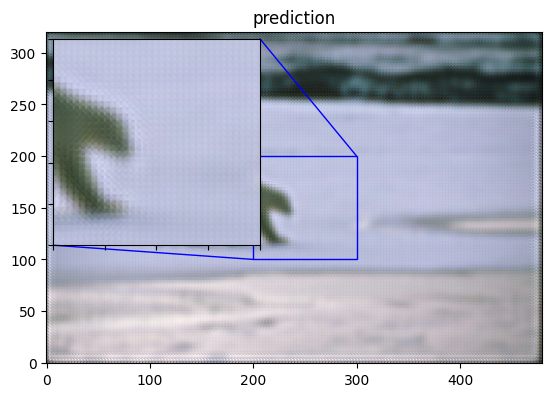
50/50 - 8s - 158ms/step - loss: 0.0284 - val_loss: 0.0057 Epoch 2/100 Mean PSNR for epoch: 24.82 50/50 - 1s - 11ms/step - loss: 0.0049 - val_loss: 0.0033 Epoch 3/100 Mean PSNR for epoch: 24.84 50/50 - 1s - 11ms/step - loss: 0.0034 - val_loss: 0.0031 Epoch 4/100 Mean PSNR for epoch: 25.44 50/50 - 1s - 11ms/step - loss: 0.0032 - val_loss: 0.0027 Epoch 5/100 Mean PSNR for epoch: 25.64 50/50 - 1s - 11ms/step - loss: 0.0030 - val_loss: 0.0027 Epoch 6/100 Mean PSNR for epoch: 26.20 50/50 - 1s - 11ms/step - loss: 0.0029 - val_loss: 0.0026 Epoch 7/100 Mean PSNR for epoch: 26.42 50/50 - 1s - 11ms/step - loss: 0.0028 - val_loss: 0.0025 Epoch 8/100 Mean PSNR for epoch: 26.58 50/50 - 1s - 11ms/step - loss: 0.0028 - val_loss: 0.0025 Epoch 9/100 Mean PSNR for epoch: 26.25 50/50 - 1s - 11ms/step - loss: 0.0028 - val_loss: 0.0024 Epoch 10/100 Mean PSNR for epoch: 26.25 50/50 - 1s - 11ms/step - loss: 0.0028 - val_loss: 0.0024 Epoch 11/100 Mean PSNR for epoch: 26.43 50/50 - 1s - 11ms/step - loss: 0.0028 - val_loss: 0.0024 Epoch 12/100 Mean PSNR for epoch: 26.43 50/50 - 1s - 11ms/step - loss: 0.0027 - val_loss: 0.0024 Epoch 13/100 Mean PSNR for epoch: 26.17 50/50 - 1s - 11ms/step - loss: 0.0027 - val_loss: 0.0024 Epoch 14/100 Mean PSNR for epoch: 26.45 50/50 - 1s - 11ms/step - loss: 0.0028 - val_loss: 0.0024 Epoch 15/100 Mean PSNR for epoch: 26.23 50/50 - 1s - 11ms/step - loss: 0.0028 - val_loss: 0.0024 Epoch 16/100 Mean PSNR for epoch: 26.40 50/50 - 1s - 11ms/step - loss: 0.0027 - val_loss: 0.0024 Epoch 17/100 Mean PSNR for epoch: 26.49 50/50 - 1s - 11ms/step - loss: 0.0027 - val_loss: 0.0024 Epoch 18/100 Mean PSNR for epoch: 26.17 50/50 - 1s - 11ms/step - loss: 0.0027 - val_loss: 0.0026 Epoch 19/100 Mean PSNR for epoch: 26.61 50/50 - 1s - 11ms/step - loss: 0.0028 - val_loss: 0.0023 Epoch 20/100 Mean PSNR for epoch: 26.38 50/50 - 1s - 11ms/step - loss: 0.0027 - val_loss: 0.0024 Epoch 21/100 Mean PSNR for epoch: 26.52 1/1 ━━━━━━━━━━━━━━━━━━━━ 0s 17ms/step 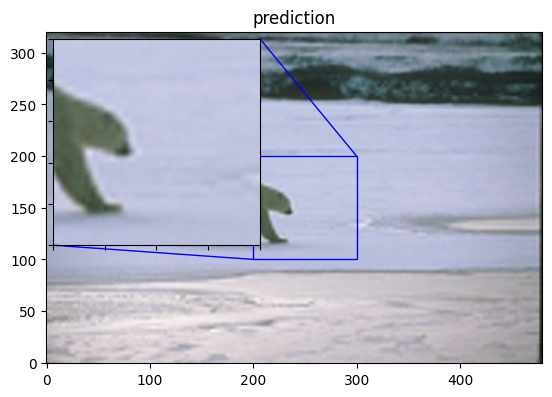
50/50 - 1s - 24ms/step - loss: 0.0026 - val_loss: 0.0023 Epoch 22/100 Mean PSNR for epoch: 26.46 50/50 - 1s - 11ms/step - loss: 0.0026 - val_loss: 0.0024 Epoch 23/100 Mean PSNR for epoch: 26.71 50/50 - 1s - 11ms/step - loss: 0.0026 - val_loss: 0.0023 Epoch 24/100 Mean PSNR for epoch: 26.20 50/50 - 1s - 11ms/step - loss: 0.0026 - val_loss: 0.0024 Epoch 25/100 Mean PSNR for epoch: 26.66 50/50 - 1s - 11ms/step - loss: 0.0027 - val_loss: 0.0024 Epoch 26/100 Mean PSNR for epoch: 26.41 50/50 - 1s - 10ms/step - loss: 0.0027 - val_loss: 0.0024 Epoch 27/100 Mean PSNR for epoch: 26.48 50/50 - 1s - 11ms/step - loss: 0.0026 - val_loss: 0.0025 Epoch 28/100 Mean PSNR for epoch: 26.27 50/50 - 1s - 10ms/step - loss: 0.0028 - val_loss: 0.0025 Epoch 29/100 Mean PSNR for epoch: 26.52 50/50 - 1s - 10ms/step - loss: 0.0026 - val_loss: 0.0023 Epoch 30/100 Mean PSNR for epoch: 26.62 50/50 - 1s - 11ms/step - loss: 0.0026 - val_loss: 0.0023 Epoch 31/100 Mean PSNR for epoch: 26.67 50/50 - 1s - 11ms/step - loss: 0.0026 - val_loss: 0.0023 Epoch 32/100 Mean PSNR for epoch: 26.57 50/50 - 1s - 11ms/step - loss: 0.0026 - val_loss: 0.0023 Epoch 33/100 Mean PSNR for epoch: 26.78 50/50 - 1s - 11ms/step - loss: 0.0026 - val_loss: 0.0024 Epoch 34/100 Mean PSNR for epoch: 26.02 50/50 - 1s - 12ms/step - loss: 0.0026 - val_loss: 0.0023 Epoch 35/100 Mean PSNR for epoch: 26.07 50/50 - 1s - 11ms/step - loss: 0.0027 - val_loss: 0.0025 Epoch 36/100 Mean PSNR for epoch: 26.49 50/50 - 1s - 11ms/step - loss: 0.0027 - val_loss: 0.0024 Epoch 37/100 Mean PSNR for epoch: 26.35 50/50 - 1s - 11ms/step - loss: 0.0026 - val_loss: 0.0022 Epoch 38/100 Mean PSNR for epoch: 26.92 50/50 - 1s - 11ms/step - loss: 0.0026 - val_loss: 0.0023 Epoch 39/100 Mean PSNR for epoch: 26.84 50/50 - 1s - 11ms/step - loss: 0.0026 - val_loss: 0.0023 Epoch 40/100 Mean PSNR for epoch: 26.08 50/50 - 1s - 11ms/step - loss: 0.0026 - val_loss: 0.0027 Epoch 41/100 Mean PSNR for epoch: 26.37 1/1 ━━━━━━━━━━━━━━━━━━━━ 0s 17ms/step 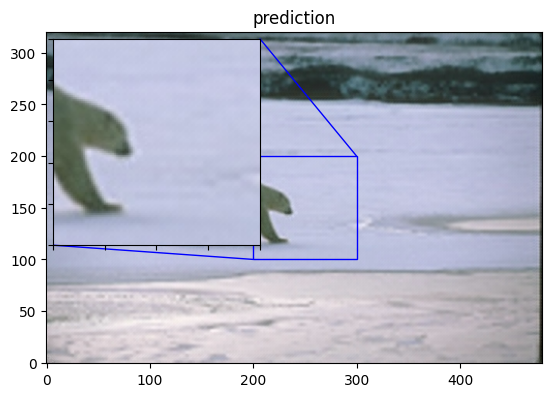
50/50 - 1s - 23ms/step - loss: 0.0026 - val_loss: 0.0023 Epoch 42/100 Mean PSNR for epoch: 26.17 50/50 - 1s - 10ms/step - loss: 0.0027 - val_loss: 0.0026 Epoch 43/100 Mean PSNR for epoch: 26.68 50/50 - 1s - 11ms/step - loss: 0.0028 - val_loss: 0.0023 Epoch 44/100 Mean PSNR for epoch: 26.34 50/50 - 1s - 11ms/step - loss: 0.0026 - val_loss: 0.0023 Epoch 45/100 Mean PSNR for epoch: 26.87 50/50 - 1s - 11ms/step - loss: 0.0026 - val_loss: 0.0023 Epoch 46/100 Mean PSNR for epoch: 26.73 50/50 - 1s - 11ms/step - loss: 0.0025 - val_loss: 0.0023 Epoch 47/100 Mean PSNR for epoch: 26.63 50/50 - 1s - 11ms/step - loss: 0.0025 - val_loss: 0.0023 Epoch 48/100 Mean PSNR for epoch: 26.79 50/50 - 1s - 11ms/step - loss: 0.0025 - val_loss: 0.0023 Epoch 49/100 Mean PSNR for epoch: 26.59 50/50 - 1s - 11ms/step - loss: 0.0025 - val_loss: 0.0022 Epoch 50/100 Mean PSNR for epoch: 27.11 50/50 - 1s - 10ms/step - loss: 0.0025 - val_loss: 0.0024 Epoch 51/100 Mean PSNR for epoch: 26.76 50/50 - 1s - 12ms/step - loss: 0.0025 - val_loss: 0.0022 Epoch 52/100 Mean PSNR for epoch: 26.41 50/50 - 1s - 11ms/step - loss: 0.0025 - val_loss: 0.0023 Epoch 53/100 Mean PSNR for epoch: 26.28 50/50 - 1s - 11ms/step - loss: 0.0025 - val_loss: 0.0022 Epoch 54/100 Mean PSNR for epoch: 27.25 50/50 - 1s - 11ms/step - loss: 0.0025 - val_loss: 0.0023 Epoch 55/100 Mean PSNR for epoch: 26.41 50/50 - 1s - 11ms/step - loss: 0.0026 - val_loss: 0.0023 Epoch 56/100 Mean PSNR for epoch: 26.64 50/50 - 1s - 12ms/step - loss: 0.0025 - val_loss: 0.0023 Epoch 57/100 Mean PSNR for epoch: 26.66 50/50 - 1s - 11ms/step - loss: 0.0025 - val_loss: 0.0023 Epoch 58/100 Mean PSNR for epoch: 26.72 50/50 - 1s - 11ms/step - loss: 0.0025 - val_loss: 0.0022 Epoch 59/100 Mean PSNR for epoch: 26.66 50/50 - 1s - 11ms/step - loss: 0.0025 - val_loss: 0.0023 Epoch 60/100 Mean PSNR for epoch: 26.55 50/50 - 1s - 11ms/step - loss: 0.0025 - val_loss: 0.0022 Epoch 61/100 Mean PSNR for epoch: 26.52 1/1 ━━━━━━━━━━━━━━━━━━━━ 0s 18ms/step 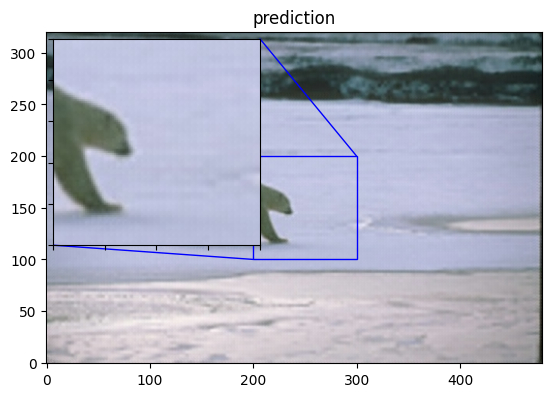
50/50 - 1s - 23ms/step - loss: 0.0027 - val_loss: 0.0023 Epoch 62/100 Mean PSNR for epoch: 26.16 50/50 - 1s - 11ms/step - loss: 0.0027 - val_loss: 0.0023 Epoch 63/100 Mean PSNR for epoch: 26.66 50/50 - 1s - 11ms/step - loss: 0.0025 - val_loss: 0.0022 Epoch 64/100 Mean PSNR for epoch: 26.61 50/50 - 1s - 11ms/step - loss: 0.0025 - val_loss: 0.0023 Epoch 65/100 Mean PSNR for epoch: 26.97 50/50 - 1s - 11ms/step - loss: 0.0025 - val_loss: 0.0023 Epoch 66/100 Mean PSNR for epoch: 27.02 50/50 - 1s - 11ms/step - loss: 0.0025 - val_loss: 0.0022 Epoch 67/100 Mean PSNR for epoch: 26.79 50/50 - 1s - 11ms/step - loss: 0.0025 - val_loss: 0.0022 Epoch 68/100 Mean PSNR for epoch: 26.59 50/50 - 1s - 11ms/step - loss: 0.0025 - val_loss: 0.0023 Epoch 69/100 Mean PSNR for epoch: 26.69 50/50 - 1s - 11ms/step - loss: 0.0025 - val_loss: 0.0024 Epoch 70/100 Mean PSNR for epoch: 26.75 50/50 - 1s - 11ms/step - loss: 0.0025 - val_loss: 0.0023 Epoch 71/100 Mean PSNR for epoch: 26.79 50/50 - 1s - 11ms/step - loss: 0.0025 - val_loss: 0.0023 Epoch 72/100 Mean PSNR for epoch: 26.94 50/50 - 1s - 11ms/step - loss: 0.0025 - val_loss: 0.0022 Epoch 73/100 Mean PSNR for epoch: 26.66 50/50 - 1s - 11ms/step - loss: 0.0025 - val_loss: 0.0023 Epoch 74/100 Mean PSNR for epoch: 26.67 50/50 - 1s - 10ms/step - loss: 0.0025 - val_loss: 0.0022 Epoch 75/100 Mean PSNR for epoch: 26.97 50/50 - 1s - 11ms/step - loss: 0.0025 - val_loss: 0.0022 Epoch 76/100 Mean PSNR for epoch: 26.83 50/50 - 1s - 11ms/step - loss: 0.0025 - val_loss: 0.0023 Epoch 77/100 Mean PSNR for epoch: 26.09 50/50 - 1s - 11ms/step - loss: 0.0025 - val_loss: 0.0023 Epoch 78/100 Mean PSNR for epoch: 26.76 50/50 - 1s - 11ms/step - loss: 0.0025 - val_loss: 0.0022 Epoch 79/100 Mean PSNR for epoch: 26.82 50/50 - 1s - 11ms/step - loss: 0.0025 - val_loss: 0.0023 Epoch 80/100 Mean PSNR for epoch: 26.48 50/50 - 1s - 12ms/step - loss: 0.0025 - val_loss: 0.0022 Epoch 81/100 Mean PSNR for epoch: 26.49 1/1 ━━━━━━━━━━━━━━━━━━━━ 0s 17ms/step 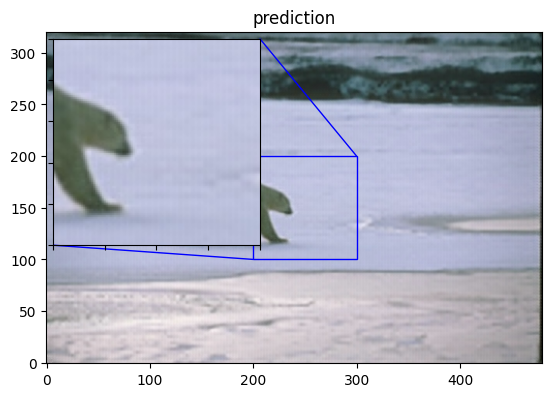
50/50 - 1s - 23ms/step - loss: 0.0025 - val_loss: 0.0022 Epoch 82/100 Mean PSNR for epoch: 26.49 50/50 - 1s - 11ms/step - loss: 0.0025 - val_loss: 0.0023 Epoch 83/100 Mean PSNR for epoch: 26.68 50/50 - 1s - 11ms/step - loss: 0.0026 - val_loss: 0.0024 Epoch 84/100 Mean PSNR for epoch: 26.75 50/50 - 1s - 11ms/step - loss: 0.0026 - val_loss: 0.0023 Epoch 85/100 Mean PSNR for epoch: 26.52 50/50 - 1s - 11ms/step - loss: 0.0025 - val_loss: 0.0022 Epoch 86/100 Mean PSNR for epoch: 26.92 50/50 - 1s - 11ms/step - loss: 0.0025 - val_loss: 0.0023 Epoch 87/100 Mean PSNR for epoch: 26.57 50/50 - 1s - 11ms/step - loss: 0.0025 - val_loss: 0.0022 Epoch 88/100 Mean PSNR for epoch: 26.96 50/50 - 1s - 11ms/step - loss: 0.0025 - val_loss: 0.0022 Epoch 89/100 Mean PSNR for epoch: 26.82 50/50 - 1s - 11ms/step - loss: 0.0025 - val_loss: 0.0022 Epoch 90/100 Mean PSNR for epoch: 26.54 50/50 - 1s - 11ms/step - loss: 0.0025 - val_loss: 0.0023 Epoch 91/100 Mean PSNR for epoch: 26.48 50/50 - 1s - 11ms/step - loss: 0.0025 - val_loss: 0.0022 Epoch 92/100 Mean PSNR for epoch: 26.36 50/50 - 1s - 11ms/step - loss: 0.0025 - val_loss: 0.0022 Epoch 93/100 Mean PSNR for epoch: 26.81 50/50 - 1s - 11ms/step - loss: 0.0025 - val_loss: 0.0022 Epoch 94/100 Mean PSNR for epoch: 26.66 50/50 - 1s - 11ms/step - loss: 0.0025 - val_loss: 0.0022 Epoch 95/100 Mean PSNR for epoch: 26.87 50/50 - 1s - 11ms/step - loss: 0.0025 - val_loss: 0.0023 Epoch 96/100 Mean PSNR for epoch: 26.43 50/50 - 1s - 10ms/step - loss: 0.0025 - val_loss: 0.0022 Epoch 97/100 Mean PSNR for epoch: 26.52 50/50 - 1s - 10ms/step - loss: 0.0026 - val_loss: 0.0023 Epoch 98/100 Mean PSNR for epoch: 26.57 50/50 - 1s - 11ms/step - loss: 0.0025 - val_loss: 0.0023 Epoch 99/100 Mean PSNR for epoch: 26.33 50/50 - 1s - 12ms/step - loss: 0.0025 - val_loss: 0.0022 Epoch 100/100 Mean PSNR for epoch: 26.50 50/50 - 1s - 13ms/step - loss: 0.0025 - val_loss: 0.0022 Run model prediction and plot the results
Let's compute the reconstructed version of a few images and save the results.
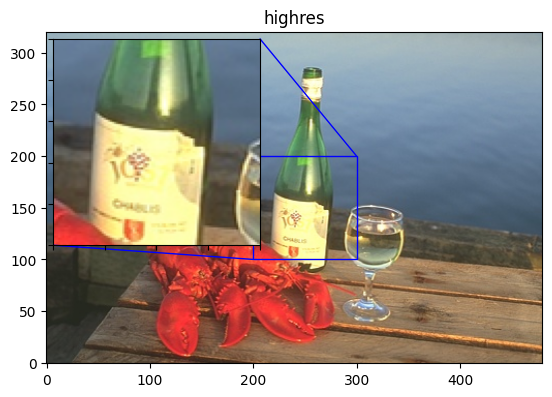
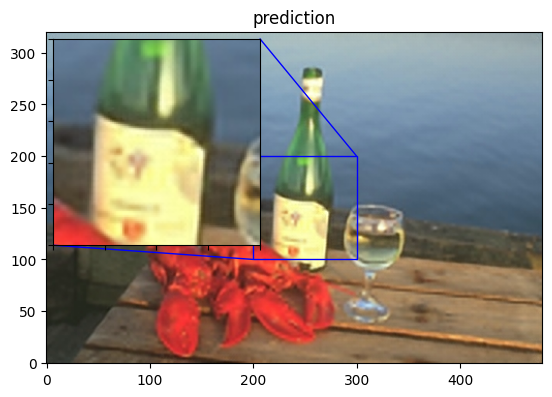
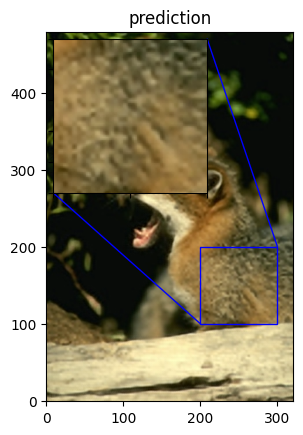
total_bicubic_psnr = 0.0 total_test_psnr = 0.0 for index, test_img_path in enumerate(test_img_paths[50:60]): img = load_img(test_img_path) lowres_input = get_lowres_image(img, upscale_factor) w = lowres_input.size[0] * upscale_factor h = lowres_input.size[1] * upscale_factor highres_img = img.resize((w, h)) prediction = upscale_image(model, lowres_input) lowres_img = lowres_input.resize((w, h)) lowres_img_arr = img_to_array(lowres_img) highres_img_arr = img_to_array(highres_img) predict_img_arr = img_to_array(prediction) bicubic_psnr = tf.image.psnr(lowres_img_arr, highres_img_arr, max_val=255) test_psnr = tf.image.psnr(predict_img_arr, highres_img_arr, max_val=255) total_bicubic_psnr += bicubic_psnr total_test_psnr += test_psnr print( "PSNR of low resolution image and high resolution image is %.4f" % bicubic_psnr ) print("PSNR of predict and high resolution is %.4f" % test_psnr) plot_results(lowres_img, index, "lowres") plot_results(highres_img, index, "highres") plot_results(prediction, index, "prediction") print("Avg. PSNR of lowres images is %.4f" % (total_bicubic_psnr / 10)) print("Avg. PSNR of reconstructions is %.4f" % (total_test_psnr / 10)) 1/1 ━━━━━━━━━━━━━━━━━━━━ 0s 19ms/step PSNR of low resolution image and high resolution image is 30.0157 PSNR of predict and high resolution is 30.5336 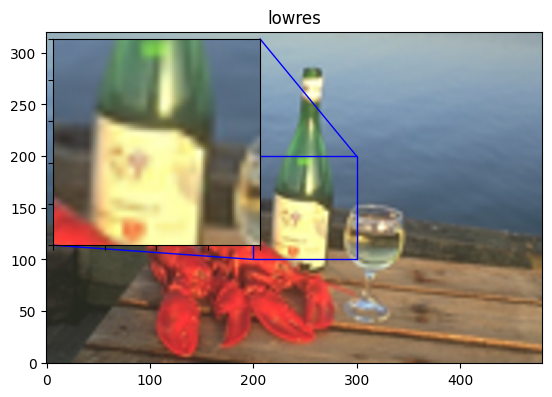
1/1 ━━━━━━━━━━━━━━━━━━━━ 0s 17ms/step PSNR of low resolution image and high resolution image is 25.1103 PSNR of predict and high resolution is 26.0954 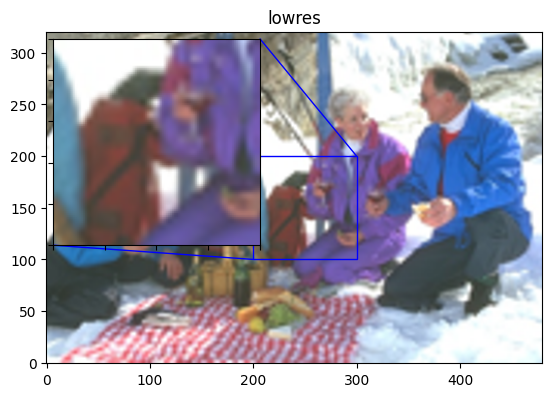
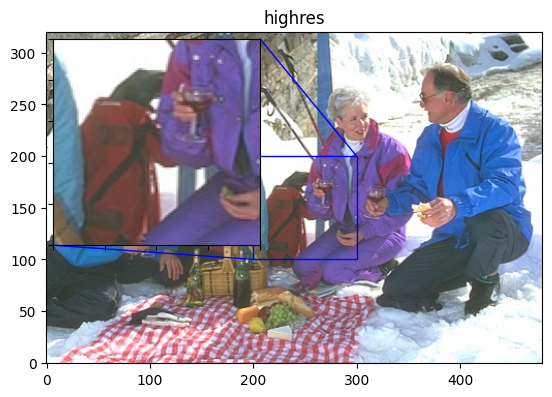
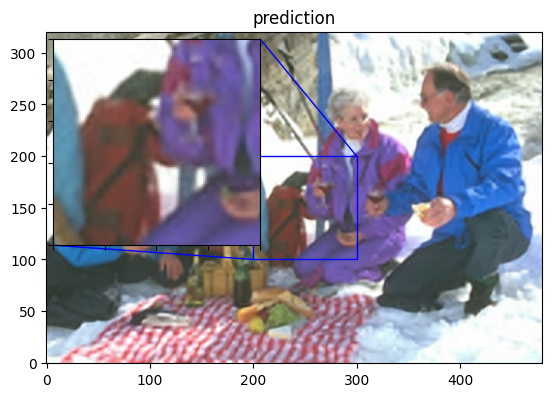
1/1 ━━━━━━━━━━━━━━━━━━━━ 1s 693ms/step PSNR of low resolution image and high resolution image is 27.7789 PSNR of predict and high resolution is 28.3920 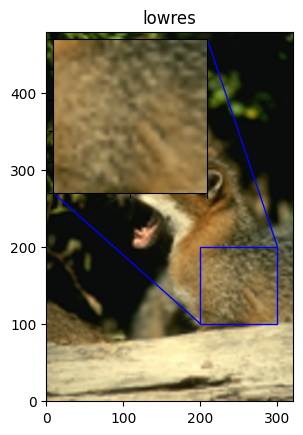
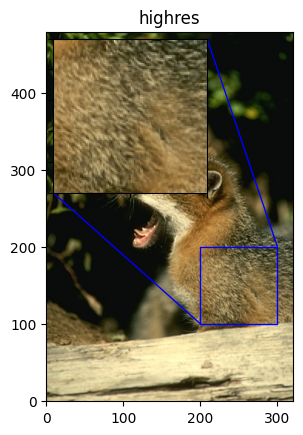
1/1 ━━━━━━━━━━━━━━━━━━━━ 0s 18ms/step PSNR of low resolution image and high resolution image is 28.0321 PSNR of predict and high resolution is 28.2747 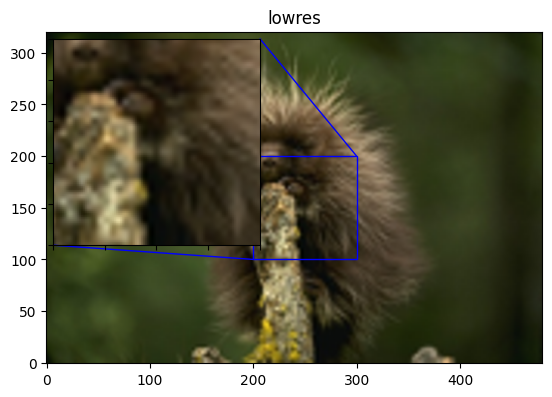
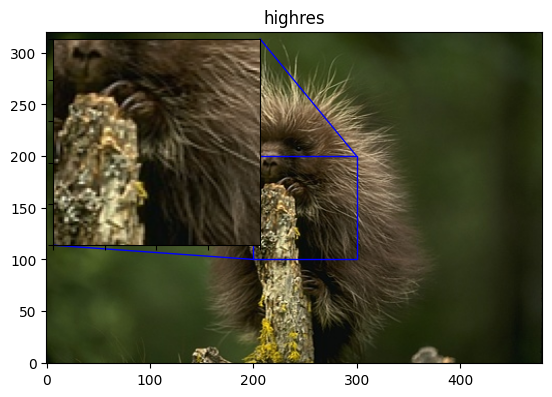
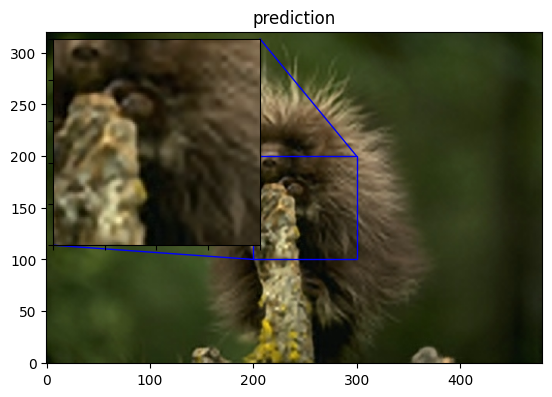
1/1 ━━━━━━━━━━━━━━━━━━━━ 0s 18ms/step PSNR of low resolution image and high resolution image is 25.7853 PSNR of predict and high resolution is 26.3532 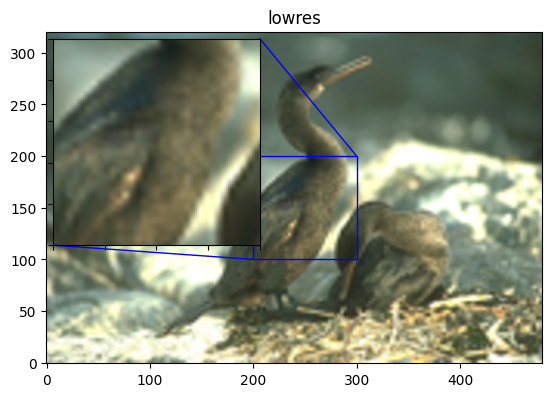
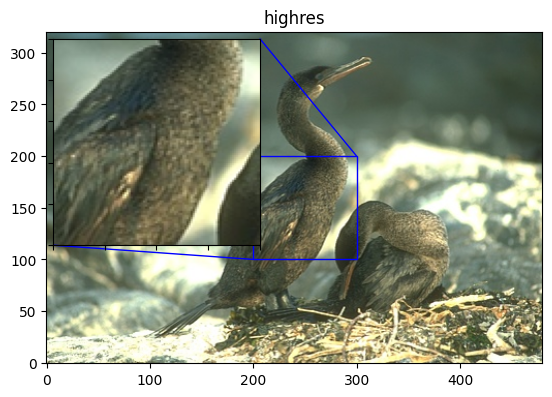
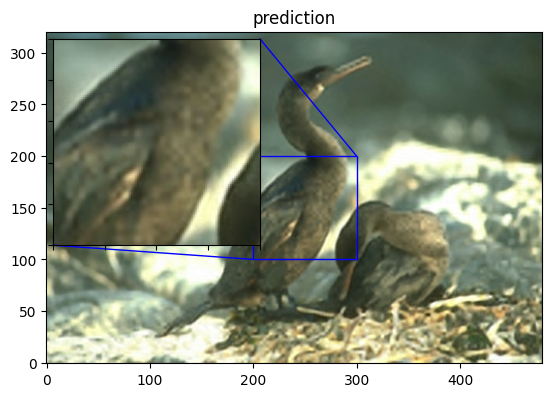
1/1 ━━━━━━━━━━━━━━━━━━━━ 0s 17ms/step PSNR of low resolution image and high resolution image is 25.9181 PSNR of predict and high resolution is 26.7292 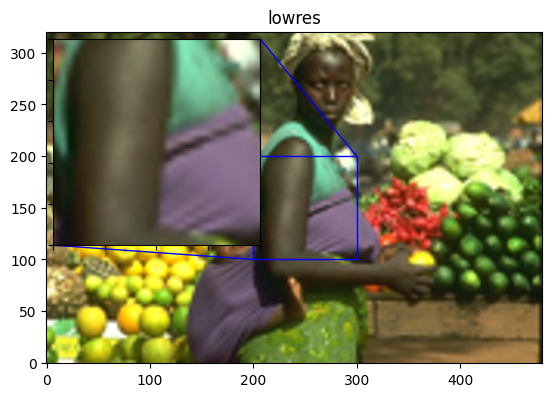
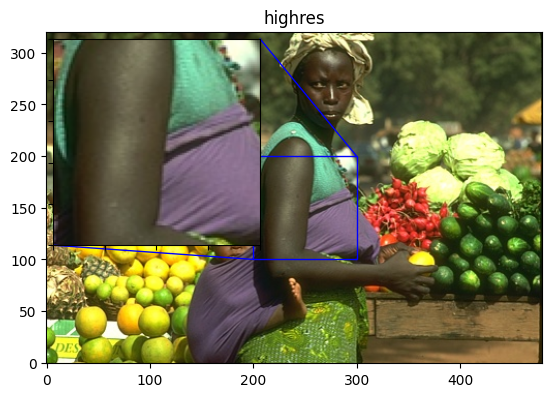
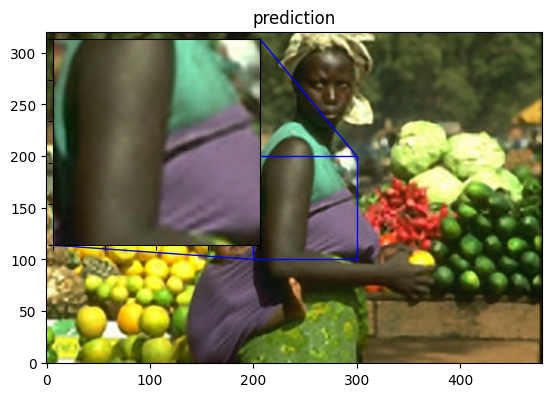
1/1 ━━━━━━━━━━━━━━━━━━━━ 0s 17ms/step PSNR of low resolution image and high resolution image is 26.2389 PSNR of predict and high resolution is 27.1362 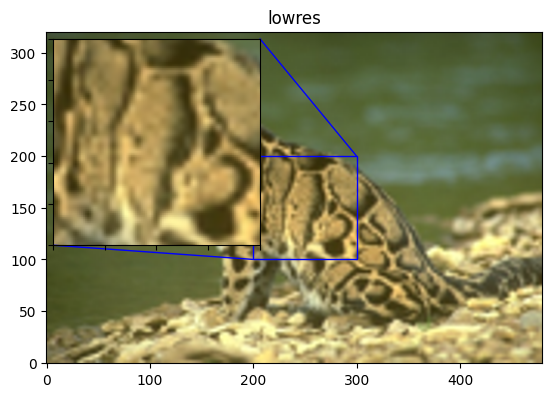
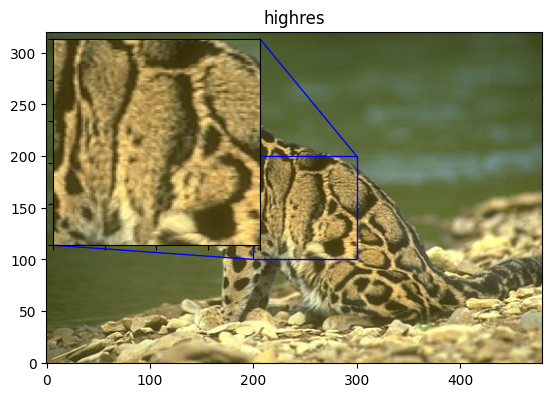
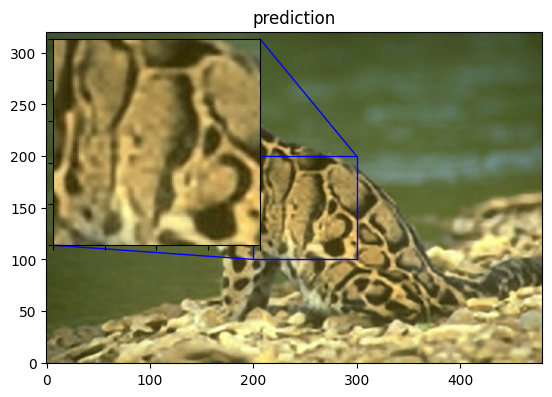
1/1 ━━━━━━━━━━━━━━━━━━━━ 0s 17ms/step PSNR of low resolution image and high resolution image is 23.3281 PSNR of predict and high resolution is 24.6649 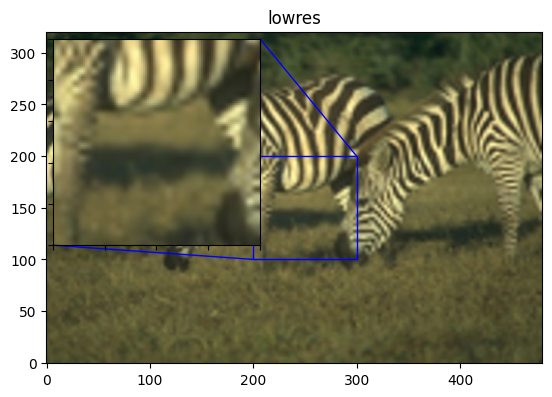
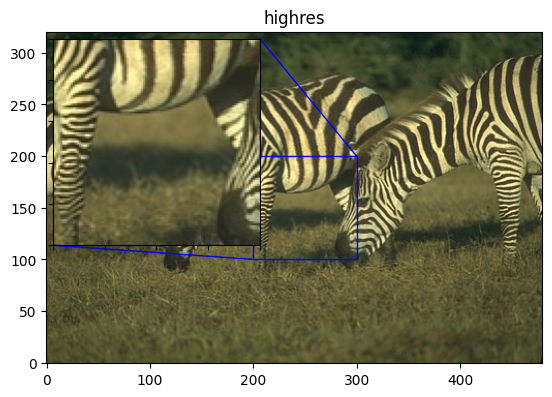
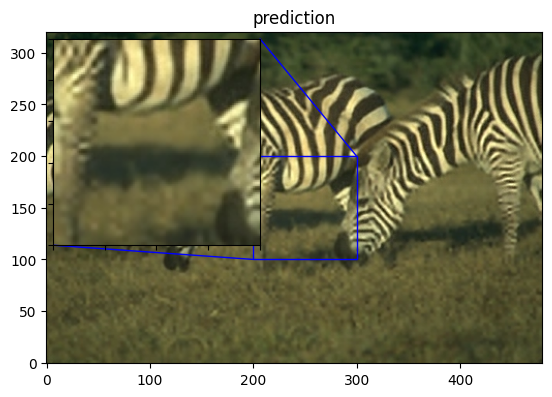
1/1 ━━━━━━━━━━━━━━━━━━━━ 0s 17ms/step PSNR of low resolution image and high resolution image is 29.9008 PSNR of predict and high resolution is 30.0894