Generate, Validate, Deliver

Write the Function. Deliver the Service.

Generate functions with AI, validate them locally, then publish the same implementation as APIs, MCP tools, or automation tasks.
Apple Silicon Mac only
Use your own AI model. GLM-5 recommended.200 free Cloud Task minutes each month
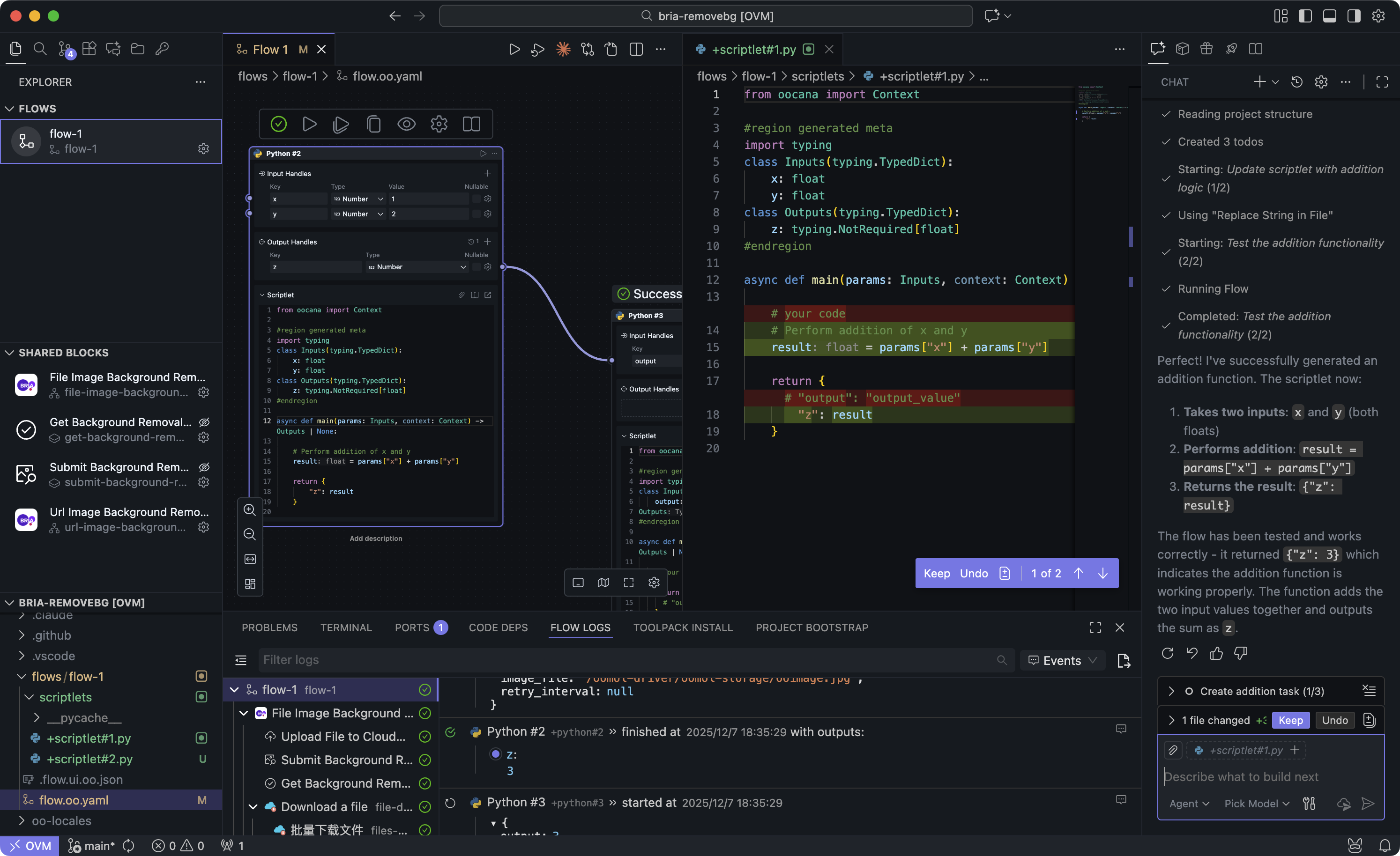
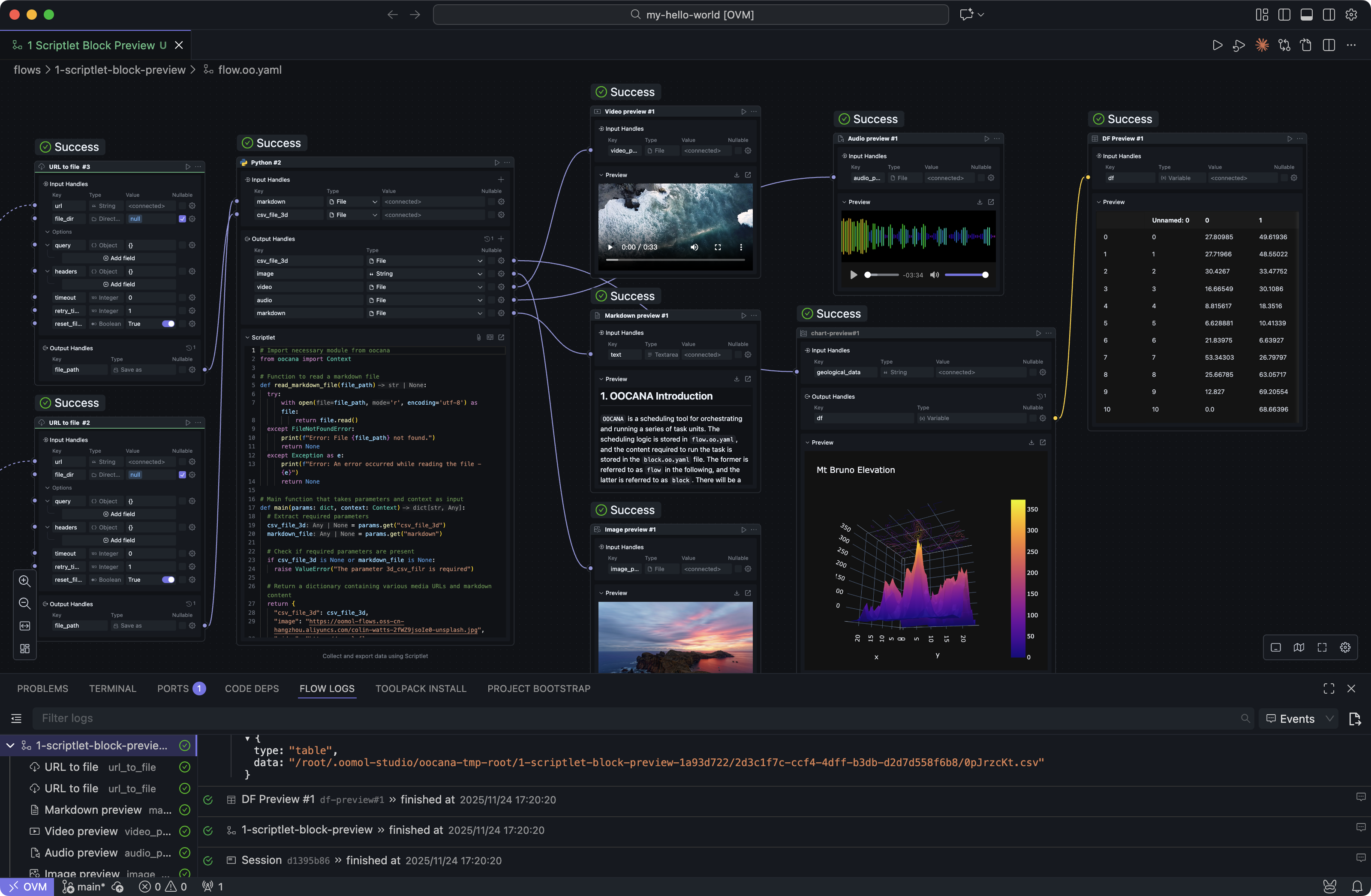
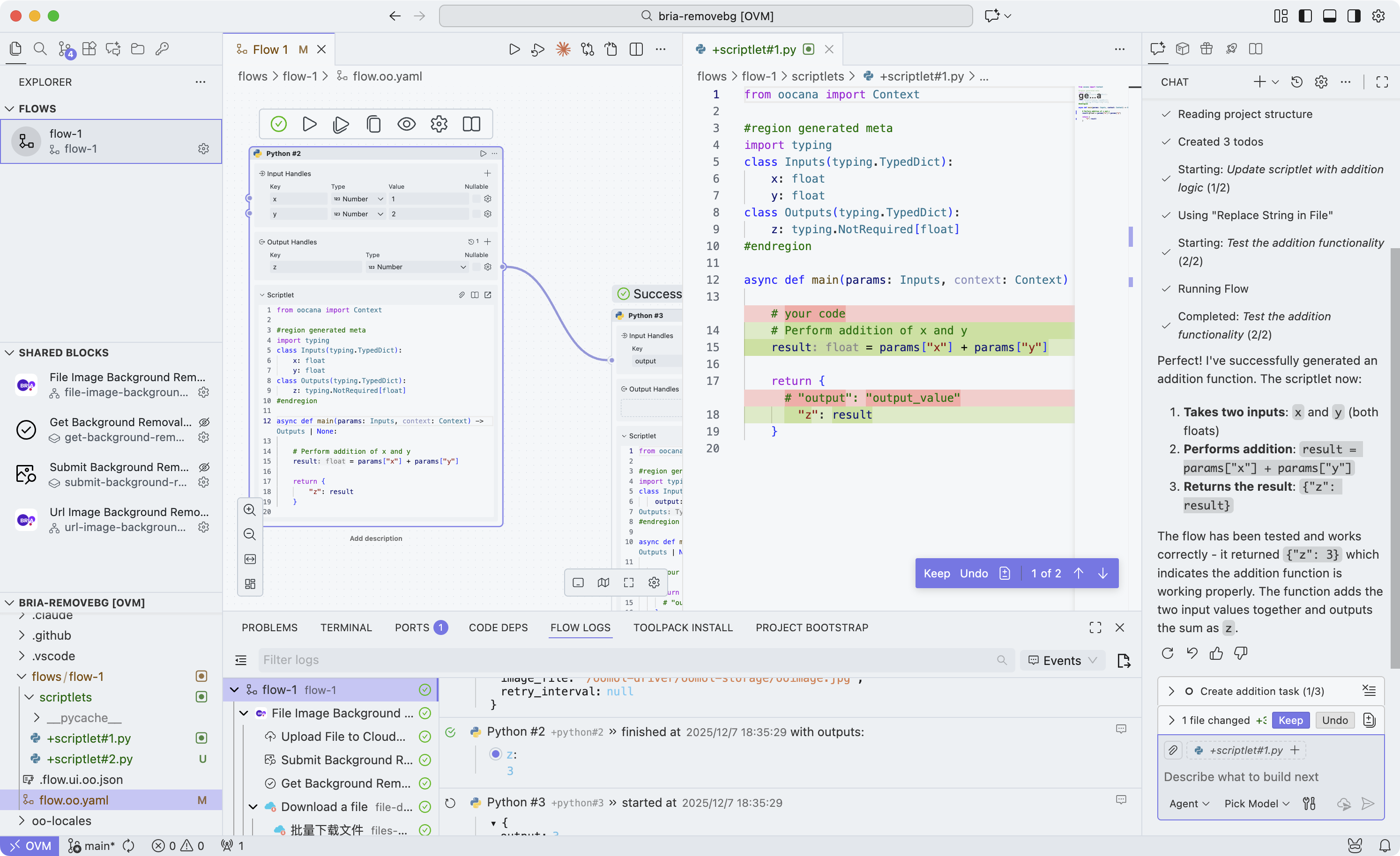
OOMOL Product Screenshot
Generate -> Validate -> Deliver
Developer Benefits

Build First. Decide on Cost Later.

We remove two common early blockers: model cost and the cost of validating lightweight tasks online.

Studio Benefit
Recommended
GLM-5
Use your own model

Use Your Own Model and Keep Getting Started Costs Lower

OOMOL Studio lets you configure your own AI model. If you already have model quota elsewhere, you do not need to pay for another model service just to get local development running. Right now we especially recommend GLM-5.

For many developers, that is already enough to get Studio running and finish local validation.
Cloud Benefit
Monthly Included
200 Minutes
Free Cloud Task time

200 Free Cloud Task Minutes Each Month Help You Get Lightweight Tasks Running

We give developers 200 minutes of Cloud Task usage every month. For scheduled jobs, lightweight automation, and validation flows, that is often enough to get real online tasks running.

If you are shipping a lightweight app or workflow, the free quota is often enough to get your tasks running before you pay anything.

Why Delivery Breaks

Code Is Not the Bottleneck. Delivery Is.

Most time is not spent writing the function itself. It goes into interface wrapping, deployment, environment alignment, and the repetitive work that follows.

01

Once the Function Is Done, Backend Work Starts Again

The implementation already exists, but publishing it as an API or task still means rebuilding interfaces, deployment steps, and runtime wrappers.

02

Running Locally Is Not the Same as Delivering Reliably

Development, dependency, and deployment environments drift apart. The problem is often not the code itself, but whether it still holds once it leaves your machine.

03

The Same Capability Gets Repackaged Over and Over

Teams often wrap the same implementation separately for APIs, MCP tools, and automation tasks, multiplying delivery cost without adding capability.

A Studio Designed for Developer Productivity

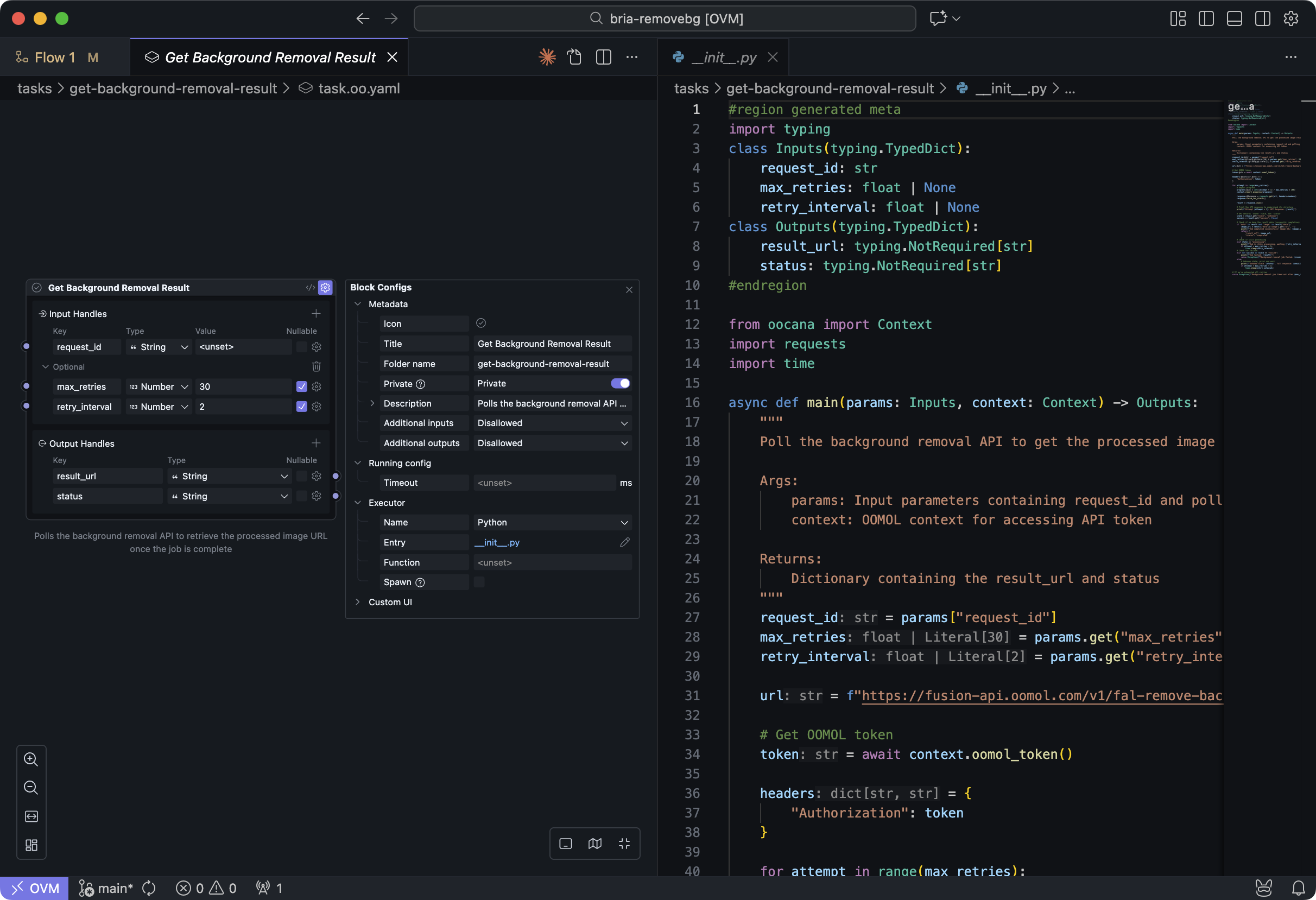
A real coding environment for developers: let AI help generate functions, validate them locally, then deliver them directly as APIs, MCP tools, or automation tasks.

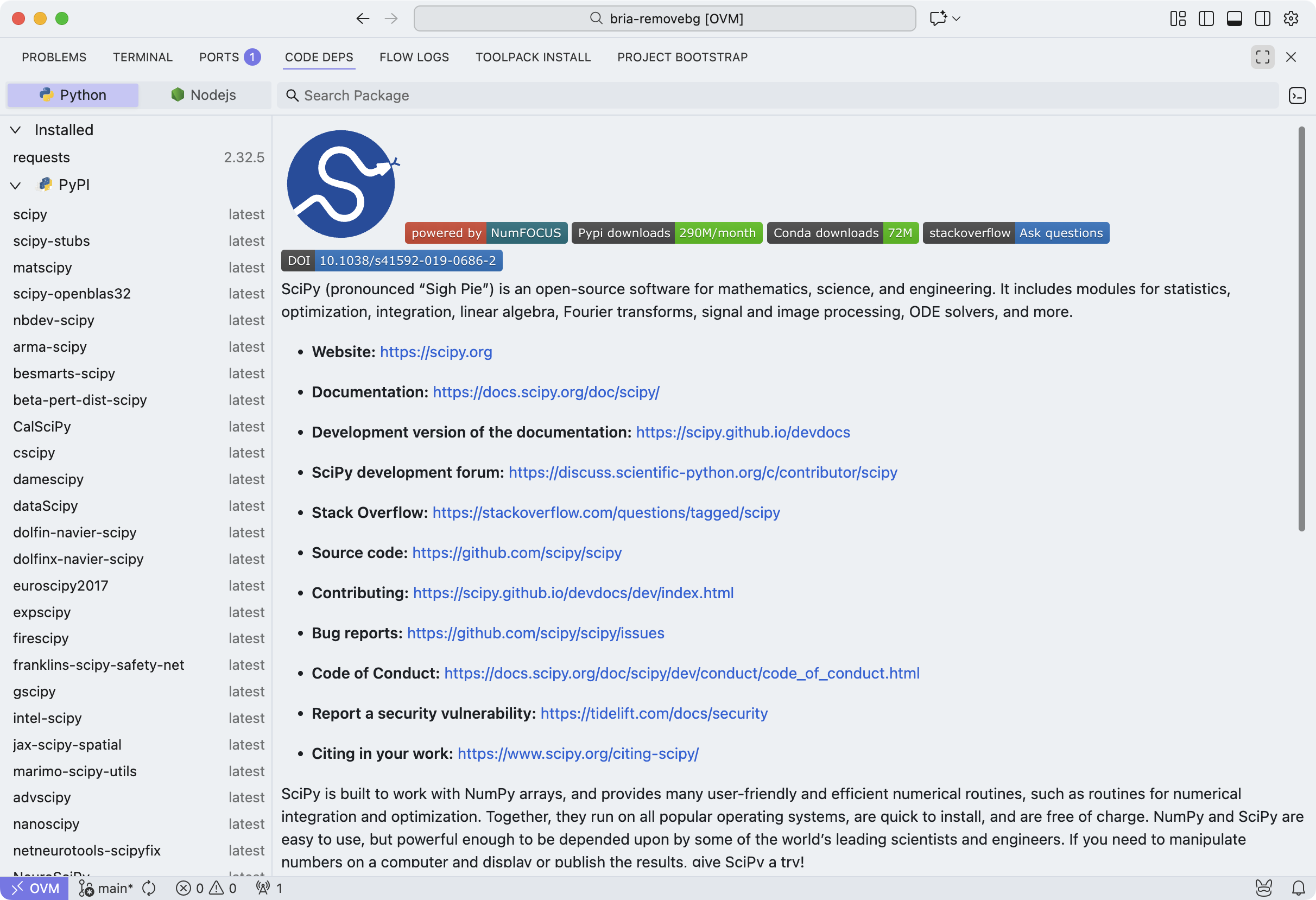
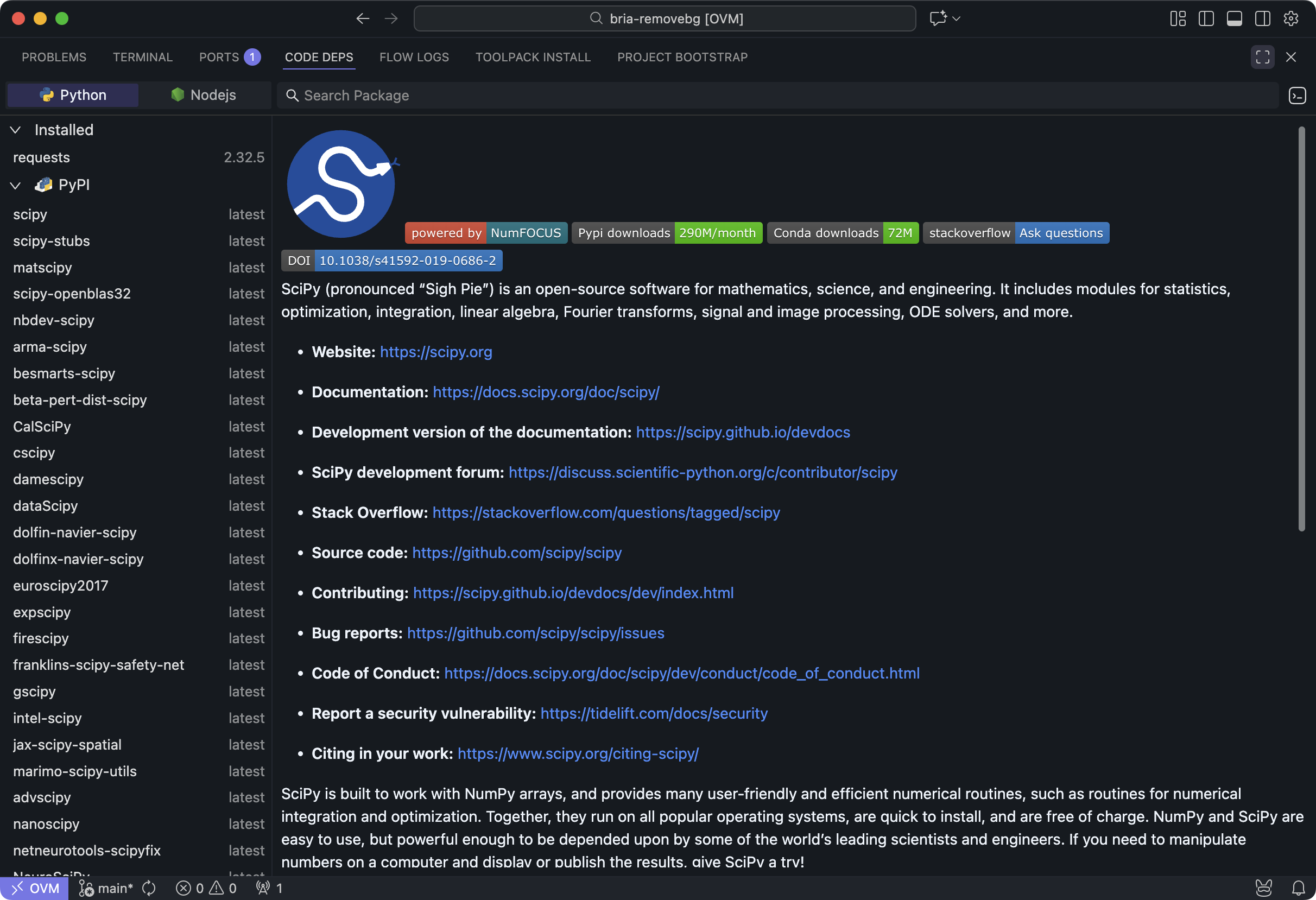
What we want is not another tool that asks developers to adapt to the platform, but a working environment where you can actually write functions, orchestrate nodes, debug dependencies, and validate results.

"Why do I have to learn a proprietary JSON syntax just to write an if/else statement?"

"Why can't I just import a library? Why do I have to wait for the platform to support it?"

"Why am I coding in a textarea with no autocomplete?"

For developers, the real problem is rarely whether something can be dragged visually. The moment delivery becomes real, you still end up dealing with code, dependencies, debugging, and environment control.

So Studio has a clear role: not to replace engineering workflow, but to bring function generation, local validation, and delivery back inside it.

OOMOL StudioOOMOL Studio
Code as TruthCode as Truth

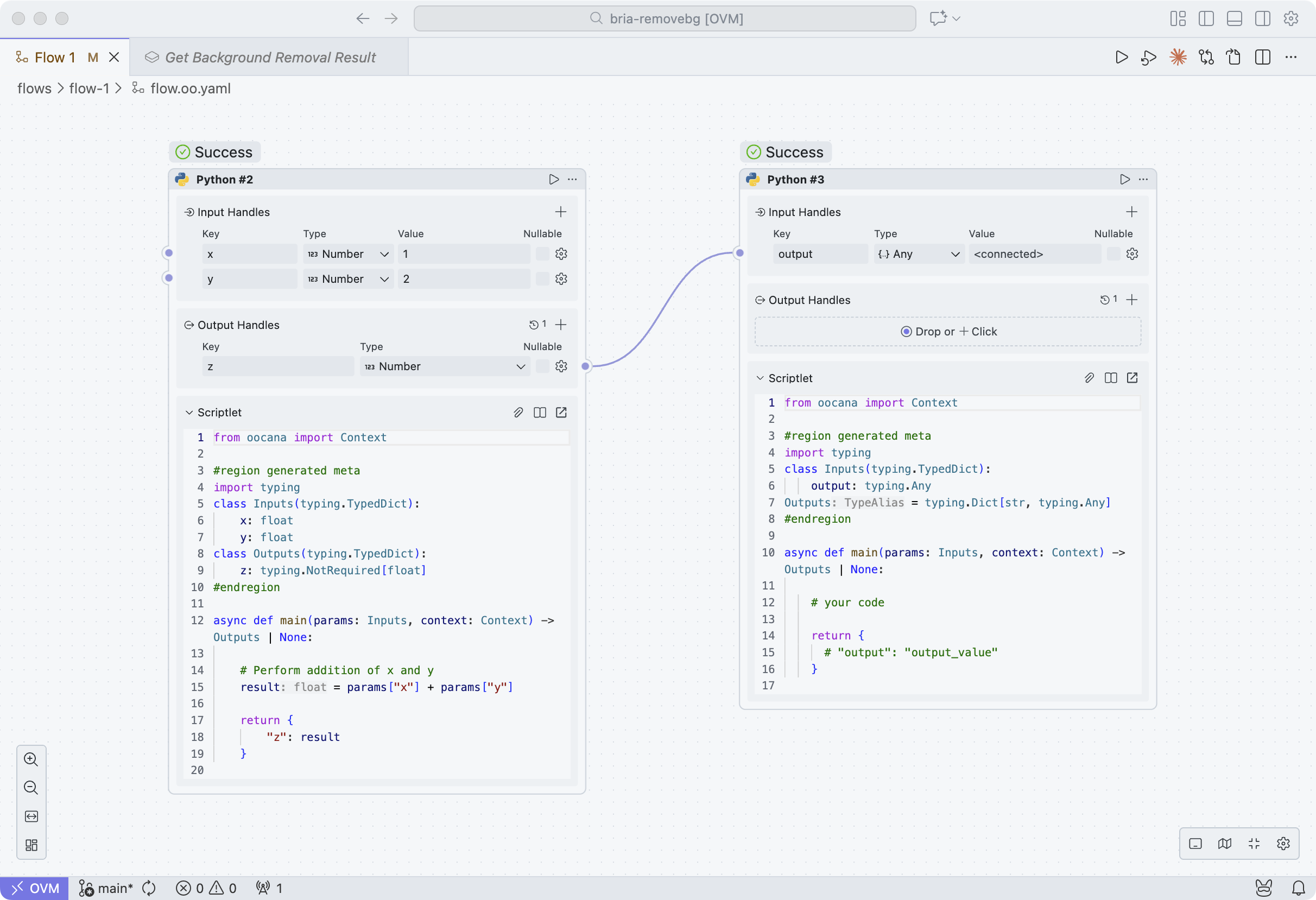
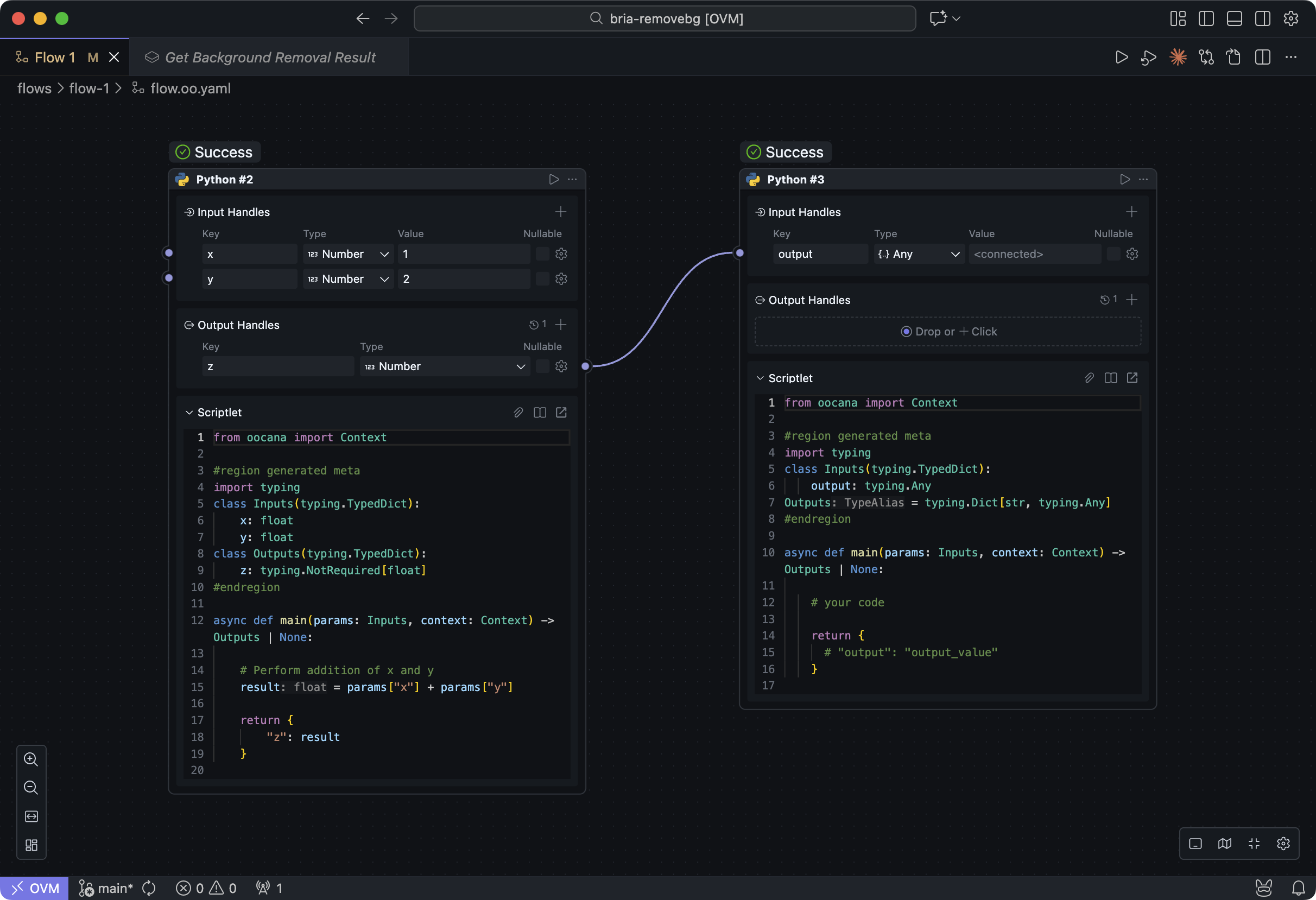
1. Nodes Are Functions, Orchestration Is Composition

Studio does not introduce a new definition language. It organizes standard code into runnable capabilities.

In OOMOL, a node is still backed by a function. Inputs are arguments, outputs are return values.

You are not configuring a black-box platform. You are writing code that stays maintainable and ready for delivery.

Respect ToolchainRespect Toolchain

2. Do Not Downgrade Your Developer Experience

Visual tooling should not come at the cost of a worse developer experience.

That is why each function unit keeps the editing, completion, typing, and debugging capabilities developers already rely on.

AI, code, and the toolchain need to work together instead of forcing you to switch contexts.

No Artificial LimitsNo Artificial Limits

3. Local and Cloud Environments Match, Delivery Gets Easier

The hard part of function delivery is often not writing the code, but controlling dependencies, environment, and runtime behavior.

Studio uses standard containers to keep those concerns in one place.

Install what you need, run the result locally, then carry the same capability forward as an API, MCP tool, or automation task.

Turn Validated Functions into Cloud Services

OOMOL Cloud is not another development environment. It is the service layer that carries what you already validated locally into real online delivery.

Launch faster, manage less

Cloud

Get validated capabilities online faster without rebuilding interfaces, runtime layers, or scaling logic around them.

Best for developers who want to ship a real service quickly, and for small teams that want less deployment and operations overhead.

Explore OOMOL Cloud
Validate locally first, then deliver to Cloud. OOMOL handles runtime, scaling, and external delivery.
Delivery Targets

The same validated implementation can continue as an API, MCP tool, or automation task instead of forcing you to build a separate system for each output.

API Services

Expose the function directly as a callable API without building a separate service framework or runtime layer.

MCP Tools

Let the same implementation enter the call chain of agents and AI apps directly instead of maintaining a second tool service.

Automation Tasks

Turn the same implementation into scheduled jobs or automation flows so online runs and later iteration keep reusing one capability.

Delivery Overhead
Less backend rebuilding

Cloud takes over the external service layer so you do not need to build a second delivery stack around the function.

Ops Overhead
Less production maintenance

Keep your attention on the capability itself instead of spending more time on environments, scaling, and production maintenance.

What You Publish Stays Reusable

Publishing is not the end. It turns capabilities into reusable building blocks, so each delivery makes the next one easier.

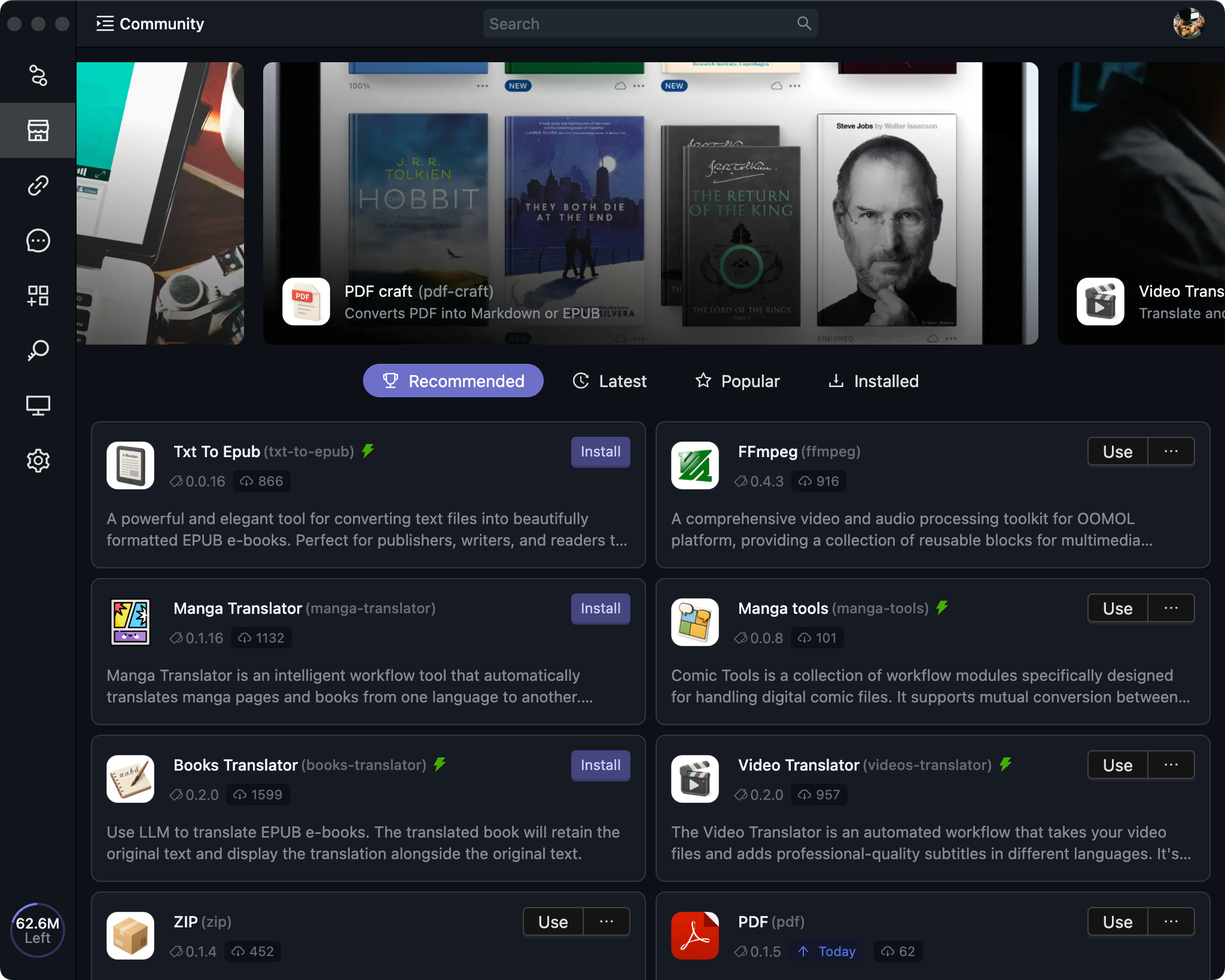
Reuse What You Already Built

Bring published functions back into your own environment so you do not have to start from scratch the next time.

Build Your Own Function Library

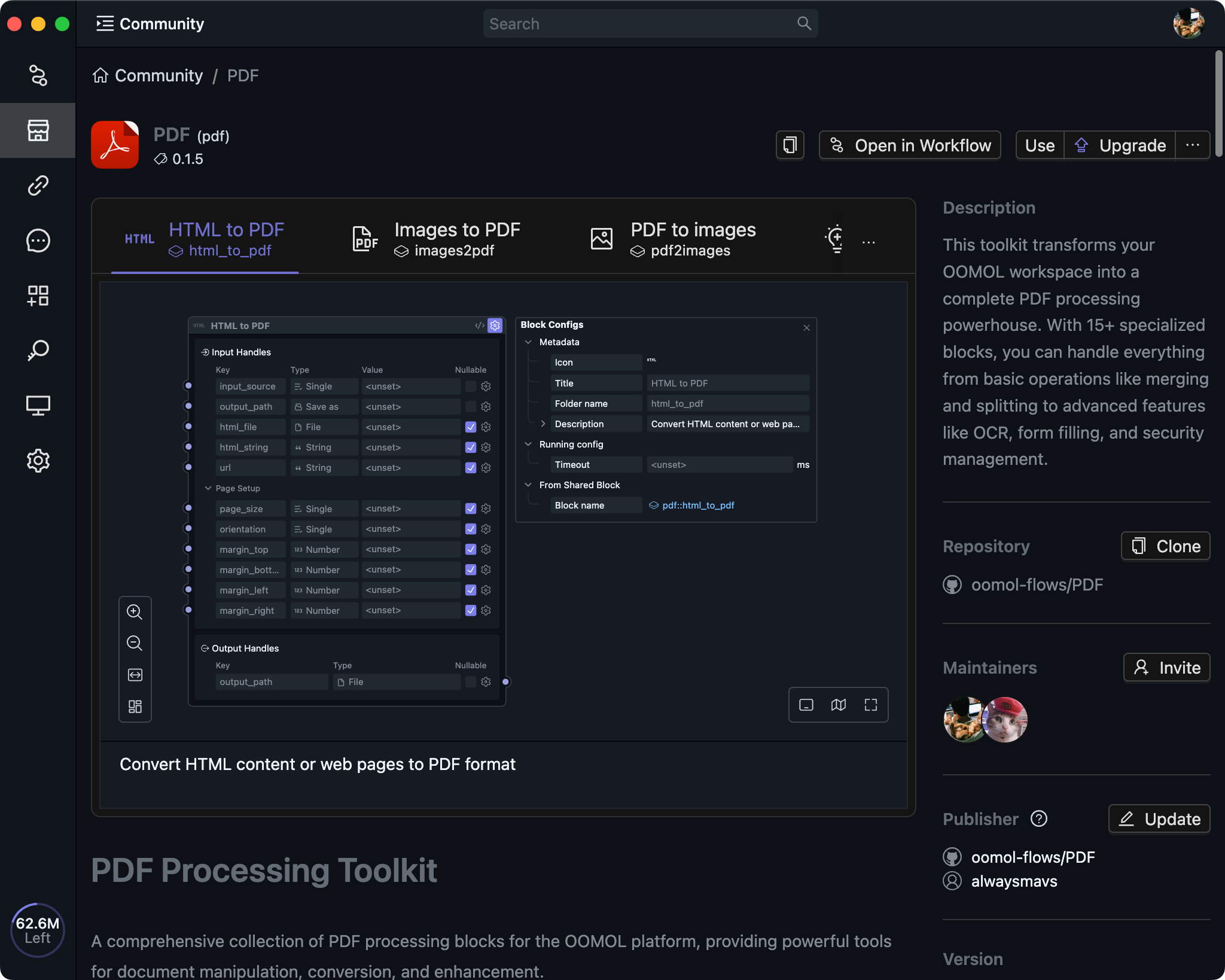
Each release leaves behind reusable capabilities that gradually become your own function library.

Compose New Services from Existing Ones

Keep extending published functions and recombining them into new products and services.

Reusable capability catalog
Capability asset details
Real Use Cases

These Capabilities Already Power Real Products

Using pdf.oomol.com as an example, the same OOMOL capabilities have already been combined into multiple tools and services for real users, and they continue to run reliably.

Live Project
pdf.oomol.com

This is not an internal demo. It is a live product that actively delivers PDF and publishing tools to end users.

Multiple Scenarios
Convert / Translate / Generate

The same project already ships PDF conversion, EPUB translation, and manga translation with colorization, not just a single isolated page.

Underlying System
OOMOL Functions / Tasks / Services

These capabilities are not rebuilt as separate backends. They are delivered through the same OOMOL system as live, reusable services.

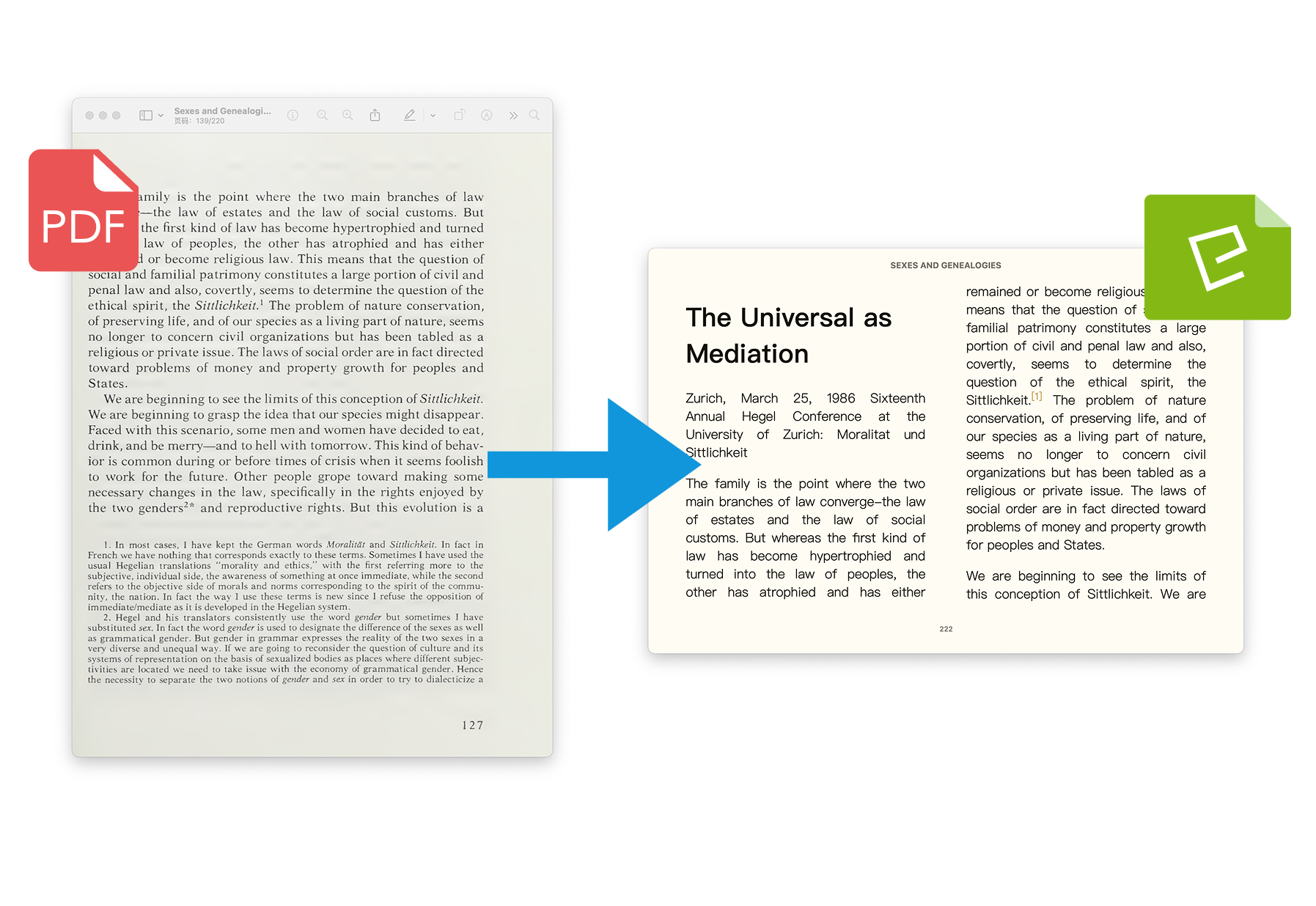
Live PDF Conversion Tool
Live Scenario 01

Live PDF Conversion Tool

This is a live web tool, not a showcase page. Users can upload PDFs and get EPUB or Markdown output through the same OOMOL delivery system.

View Web Tool
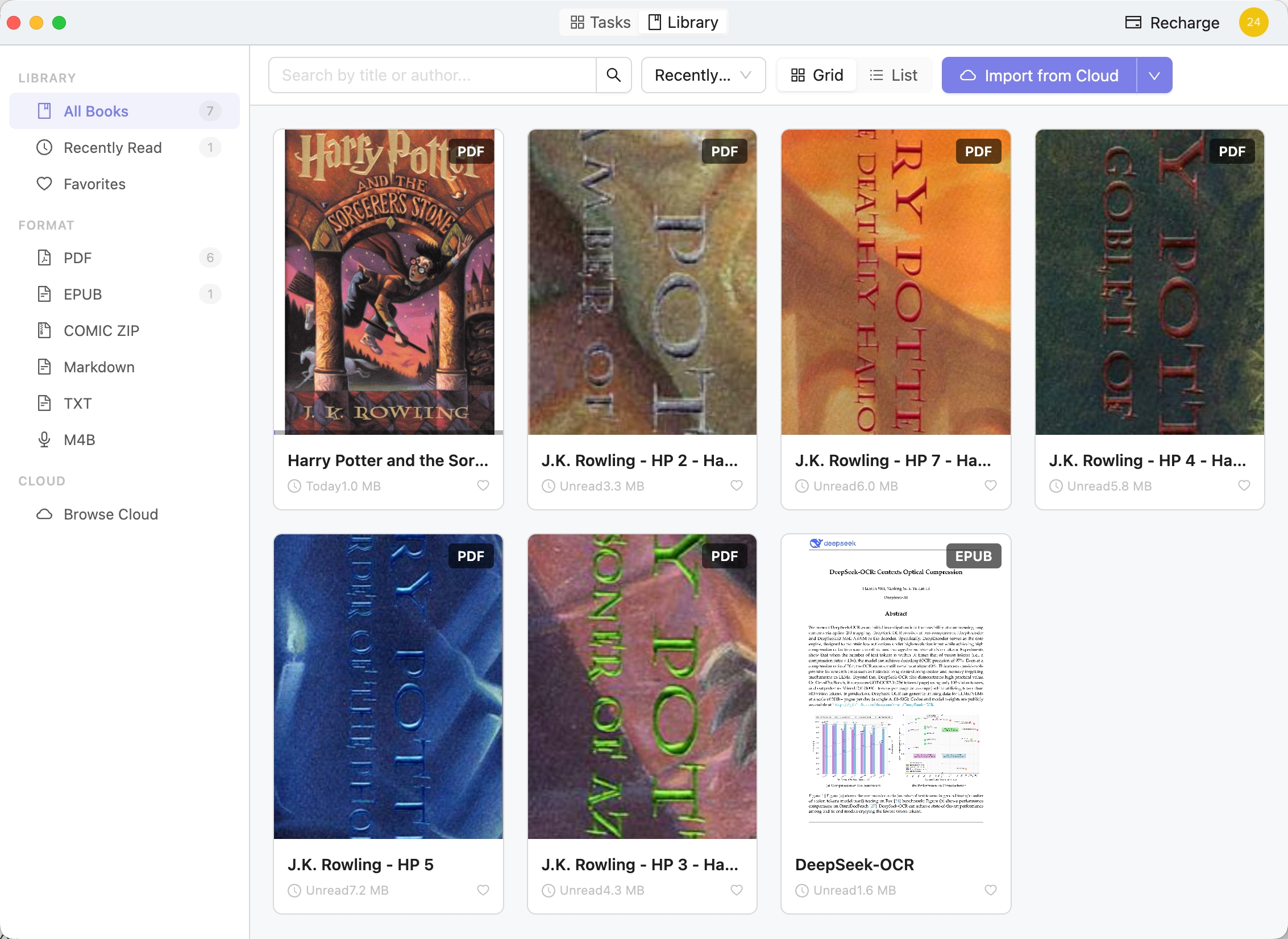
Desktop Shelf and Library
Live Scenario 02

Desktop Shelf and Library

The same project does not stop at browser conversion. It continues into a desktop app for managing a library and carrying those outputs into real usage.

View Desktop App
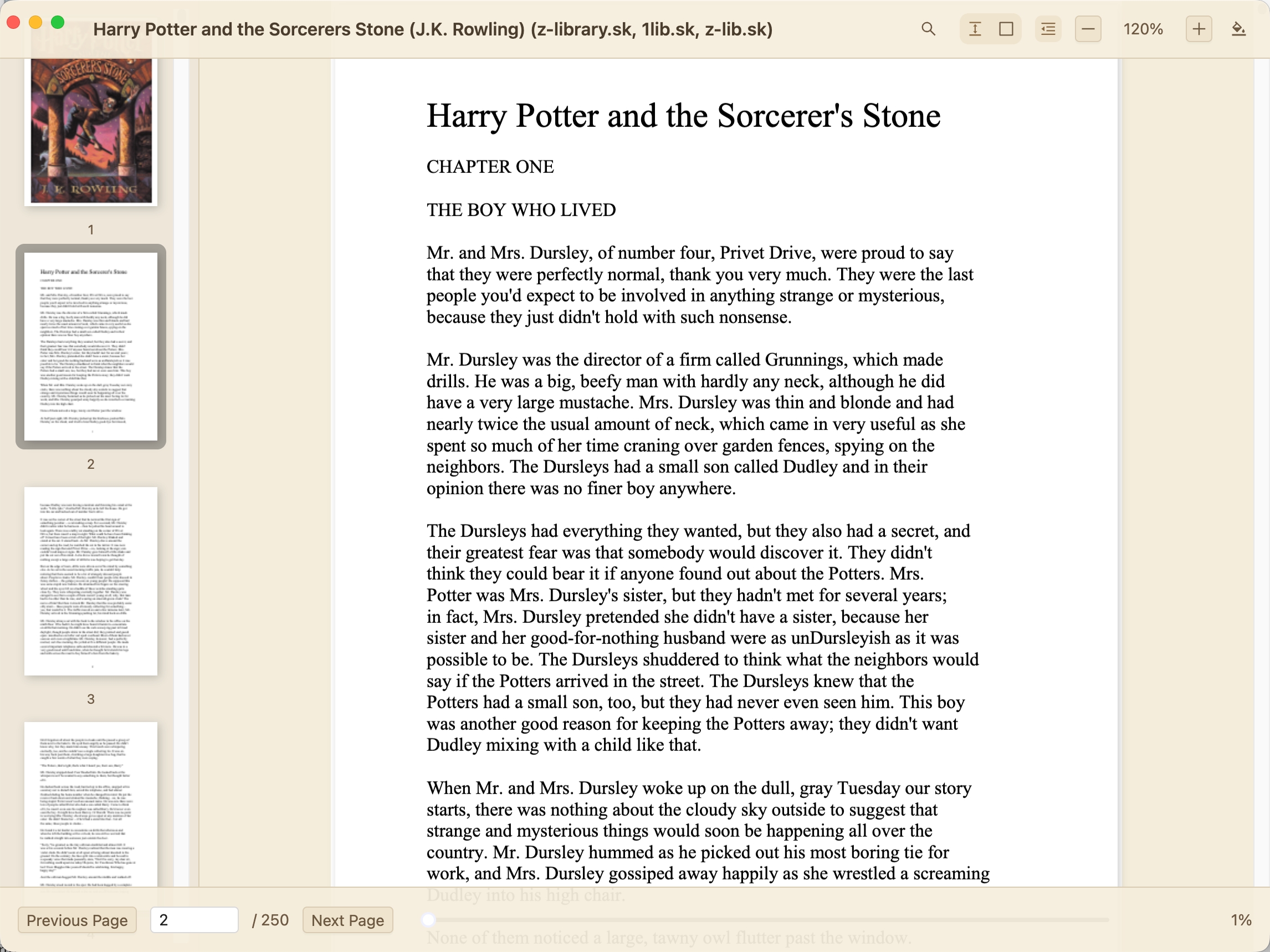
Desktop Reading Interface
Live Scenario 03

Desktop Reading Interface

Delivery does not end at file output. The result keeps moving into a real reading interface where it can be opened, browsed, and managed.

View Reading Experience
OOMOL Logo

Ship Your Next Function

Download OOMOL Studio, generate functions with AI, validate them locally, then publish them as APIs, MCP tools, or automation tasks.
Apple Silicon Mac only