Widely acknowledged as one of the most pivotal symphonic compositions in western music, third symphony of Ludwig van Beethoven is, in substance, rarely agreed upon. Beethoven’s semi-programmatic title, “Eroica,” the extreme size, unique formal organization, and developmental history of the work collectively open up too many variables to allow a singular analytical approach to this work that is mutually agreed upon by the musical community plausible, as evidenced by over 200 years of serious efforts to do exactly that. This discourse seeks to give one possible analysis, the focus being primarily upon the organization of thematic elements that give the work a cyclical or “symphonic” quality.
The symphony features an expanded sonata form intertwined with rondo elements, showcasing thematic development.
Beethoven's innovative use of rhythmic ambiguity is evident throughout the symphony, enhancing its complexity.
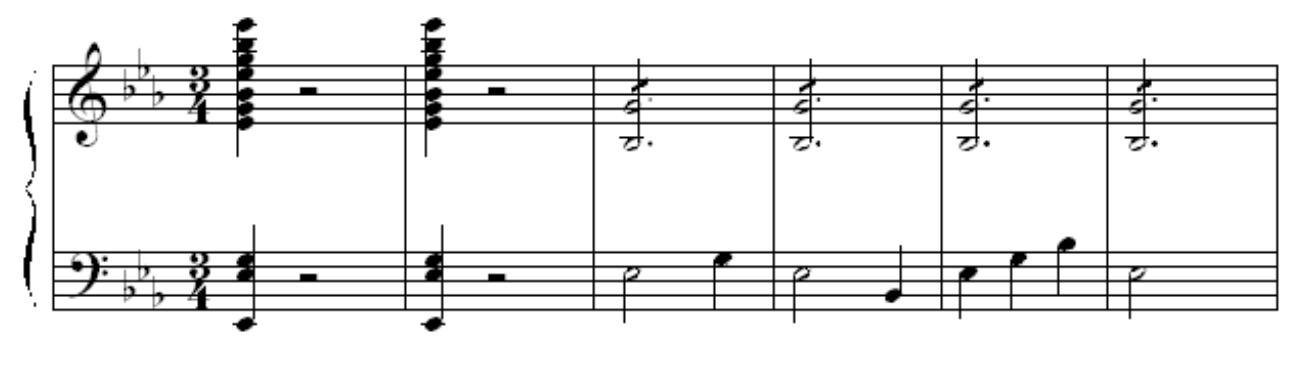
The first theme group introduces the E-flat tonic triad, emphasizing its structural significance in the symphony.
This analysis aims to explore the thematic elements that contribute to the symphony's distinct 'symphonic' quality.
FAQ's
AI generated
What role does thematic fragmentation play in Beethoven's Symphony No. 3?add
The study reveals that thematic fragmentation serves as a narrative technique, allowing motifs to evolve distinctively across the movement, enhancing its dramatic intensity.
How does the first theme reflect cyclical thematic elements in the symphony?add
The research indicates that the first theme is developed and transformed throughout the movement, demonstrating Beethoven's innovative approach to cyclical structure with references back to E-flat motifs.
When did Beethoven employ asymmetrical phrasing in the third movement?add
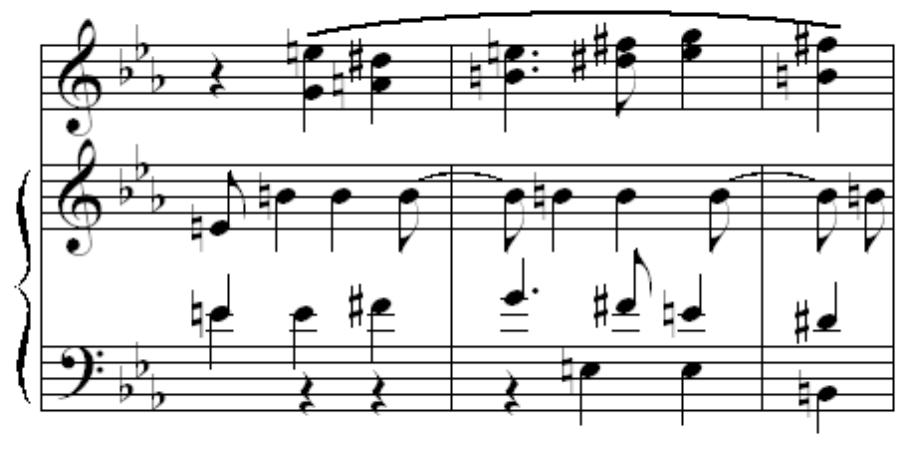
The analysis identifies asymmetrical phrasing as a key feature in the third movement; this rhythmic ambiguity creates tension, evident in measures 23 and 287.
Why did Beethoven choose unique orchestration techniques in the symphony's first theme?add
The paper illustrates that Beethoven's orchestration choices, such as involving only downbeats for the timpani, emphasize thematic material and engage listener attention effectively.
What significance do the trio of heroic horns hold in the symphony?add
The findings show that the presence of the heroic horns re-establishes thematic coherence in the scherzo, symbolizing the heroism prevalent throughout the symphony.
Figures
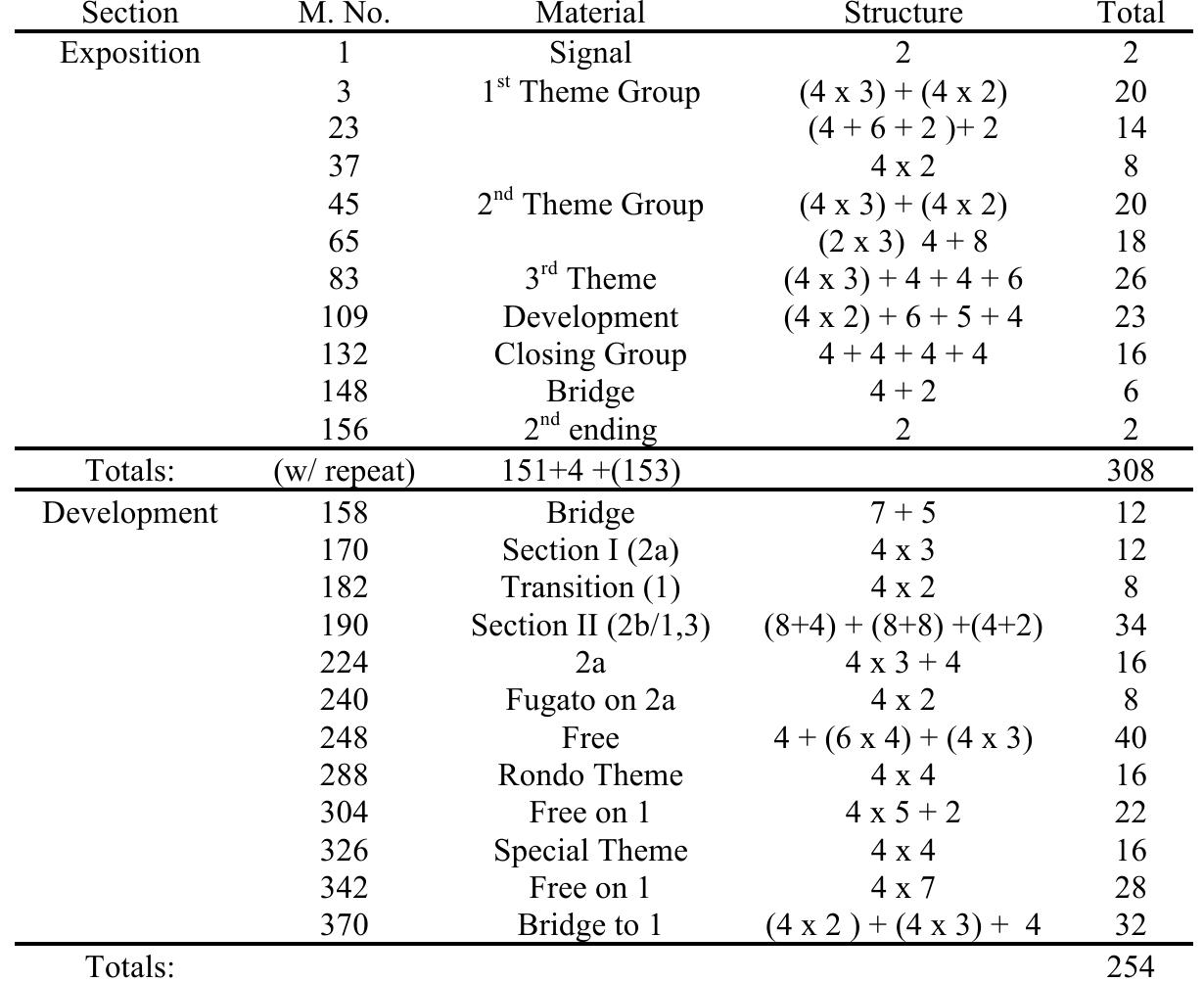
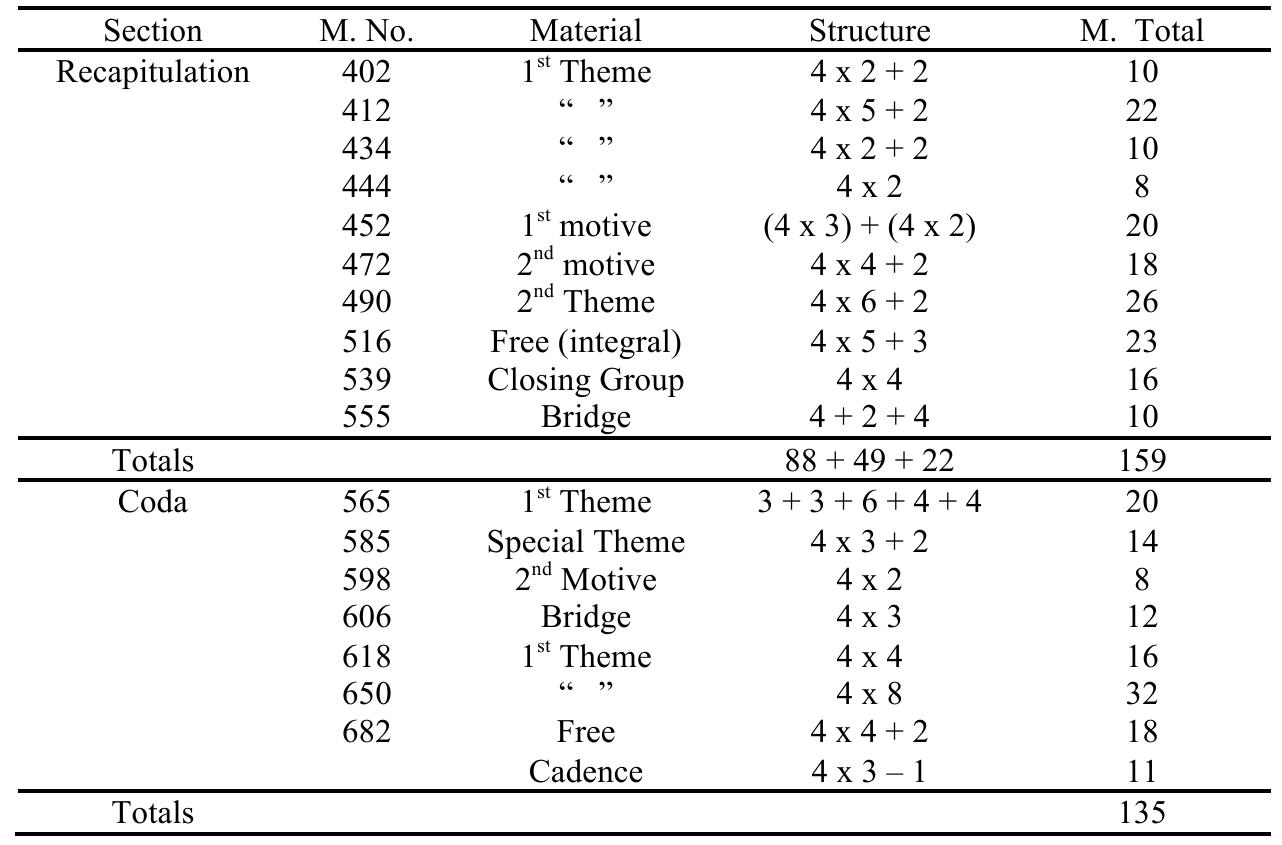
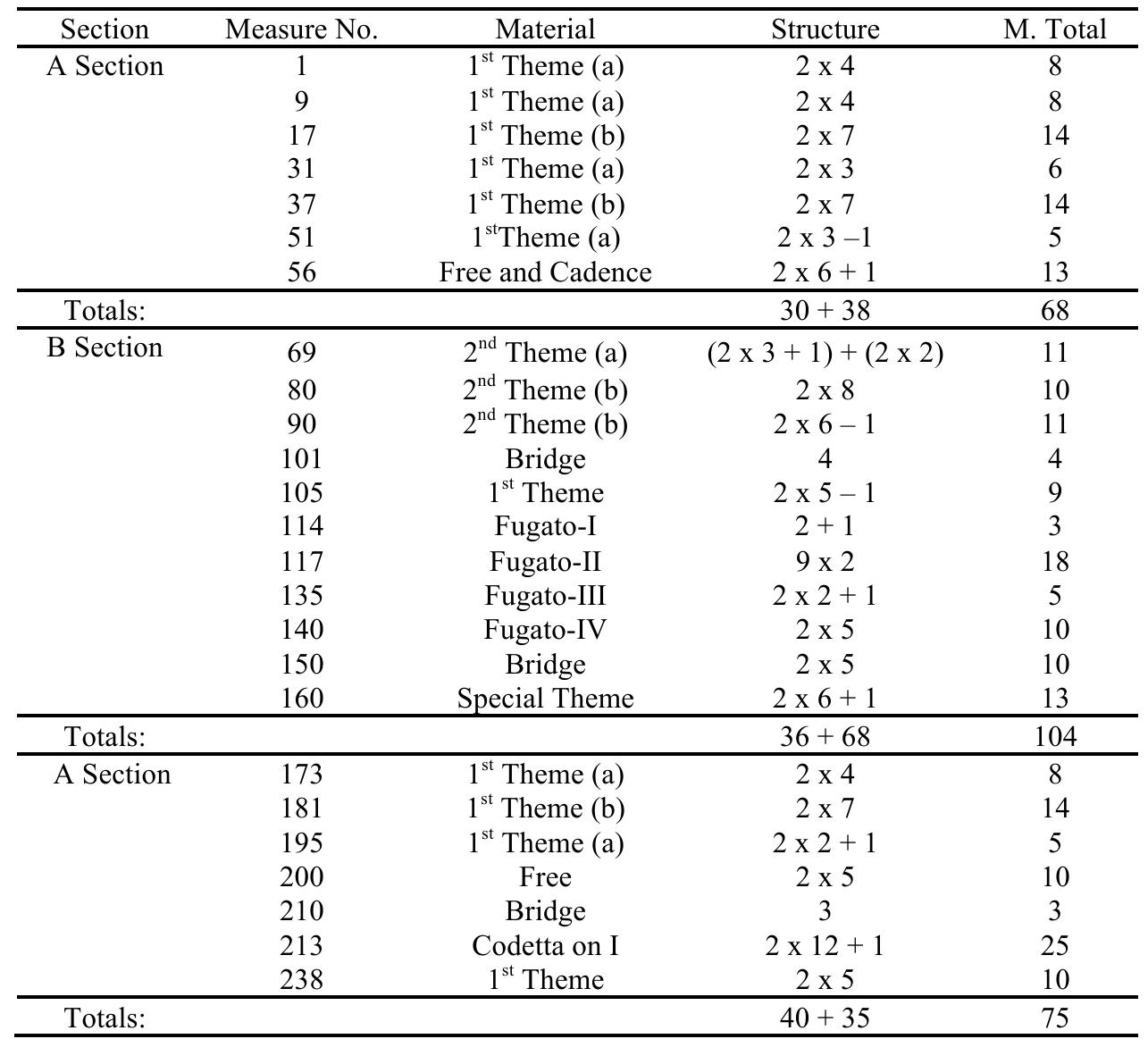
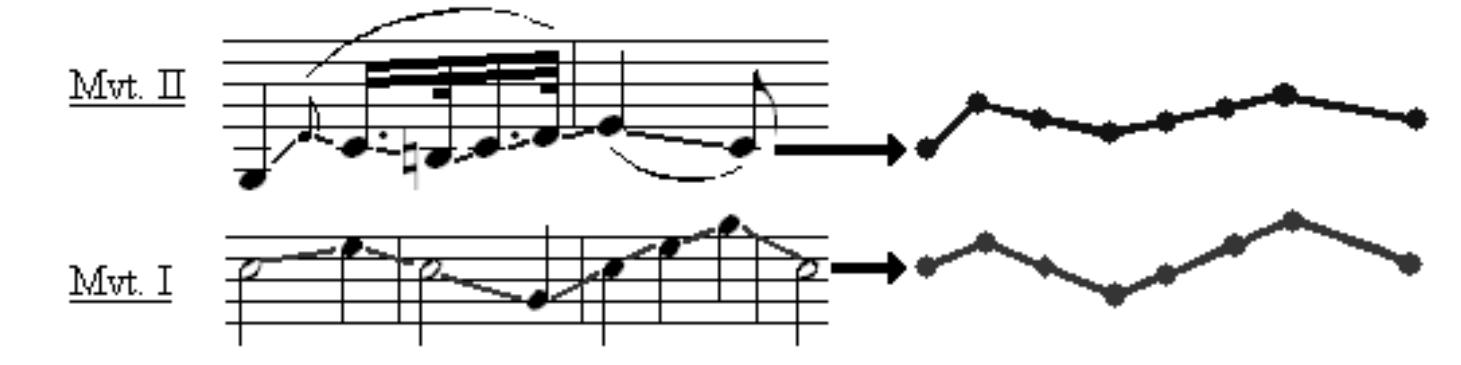
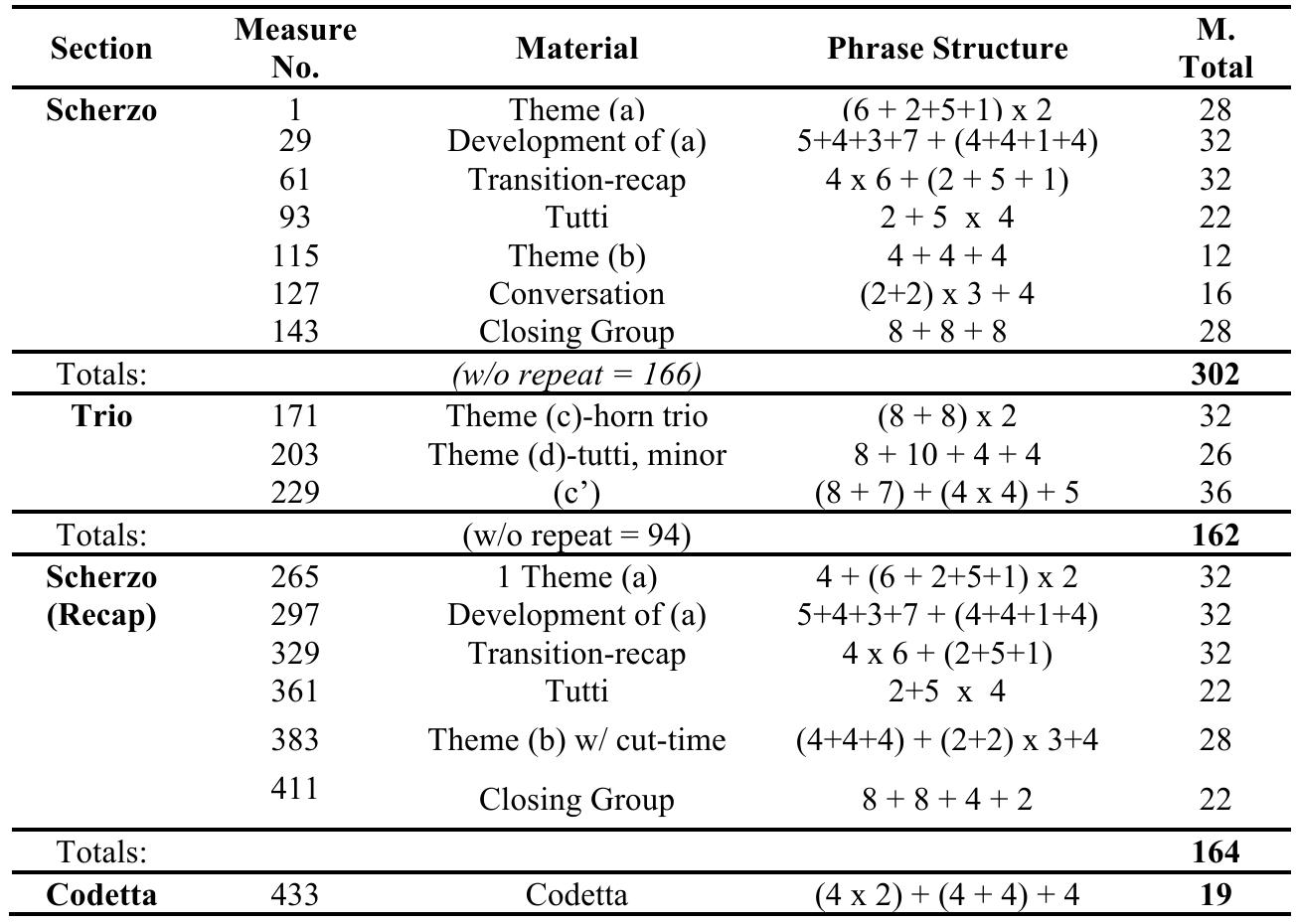
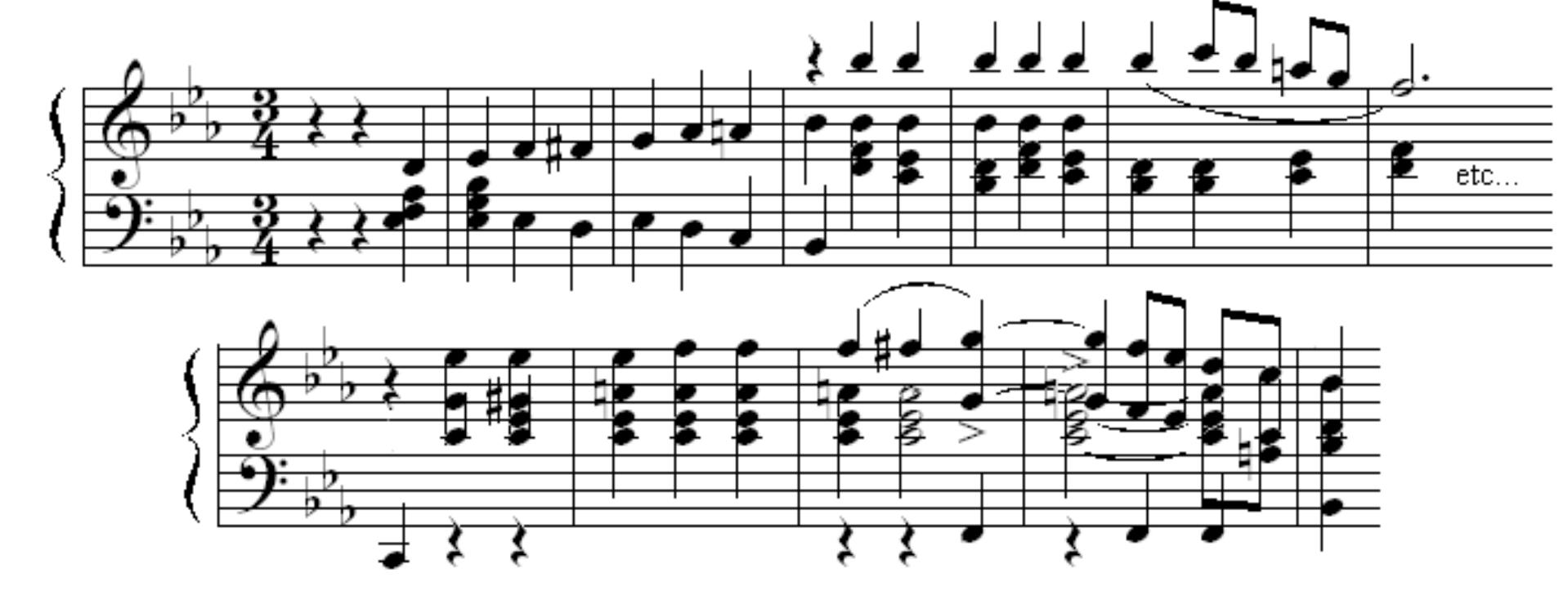
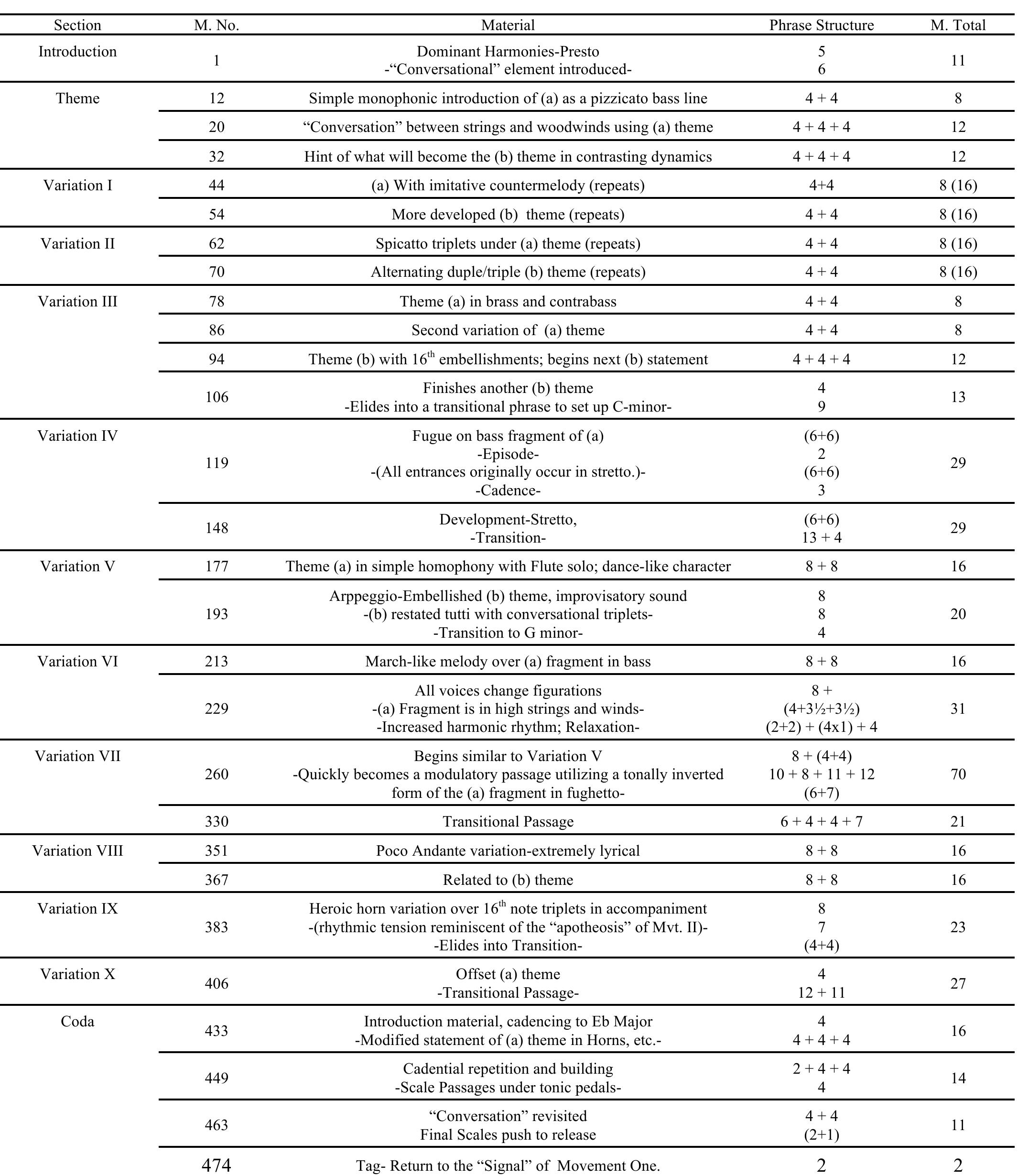
Table la. Phrase Analysis of Movement One (Exposition-Development) measures long, but is immediately elaborated upon within the first three phrases. The first twelve measures form a phrase that immediately cadences back to E-flat first theme follows in a primitive, introductory form in the cellos and is only four It begins to function as something of another pre-development. This rondo-like theme augments the sonata arch with some seemingly new material consists of ideas borrowed from all three groups of themes, and relies completely upon them. Italics indicate performance without repeating the Exposition Table 2. Sectional Proportions of Movement One Table 1b. Phrase Analysis of Movement One (Recapitulation-Coda) Table 3. Phrase Analysis of Movement Two This is laid out in an especially transparent way, as it happens without any introductions and Fig. 8. Melodic Contour Comparison of First Themes identical contour, although the Funeral March is more conjunct than triadic. The second part of the first theme will be discussed later for its cyclic relation to Table 4. Phrase Analysis of Movement Three In the third movement, Beethoven introduces a scherzo unlike any other written to Fig. 10. Relationship between Main Scherzo Theme and Lyrical First Movement Theme first movement, as shown in figure 10. However, they are only cleverly disguised borrowings from the first and third themes of the Table 5. Phrase Analysis of Movement Four
Beethoven, Ludwig van. Symphony no. 3 in E-flat Major (Eroica), Op. 55.
Berlioz, Hector. A Critical study of Beethoven's Nine Symphonies, trans. Edwin Evans. New York: Charles Scribner's Sons, n.d.
Evans, Edwan. Beethoven's Nine Symphonies, Fully Described & Analysed. Vol. 1, London: William Reeves, 1923.
Hanslick, Eduard. Music Criticisms 1846-99. Baltimore: Penguin Books, 1950.
Hopkins, Antony. The Nine Symphonies of Beethoven. Seattle: University of Washington Press, 1981.
Kerman, Joseph, Alan Tyson, and Scott G. Burnham, "Beethoven, Ludwig van", Grove Music Online, ed. L. Macy [database on-line] (Oxford: Oxford University Press, 2005, Accessed 30 October 2005); available from http://www.grovemusic.com; internet.
Plantinga, Leon. Romantic Music: A History of Musical Style in Nineteenth- Century Europe. New York: W. W. Norton & Co., 1984.