References (41)
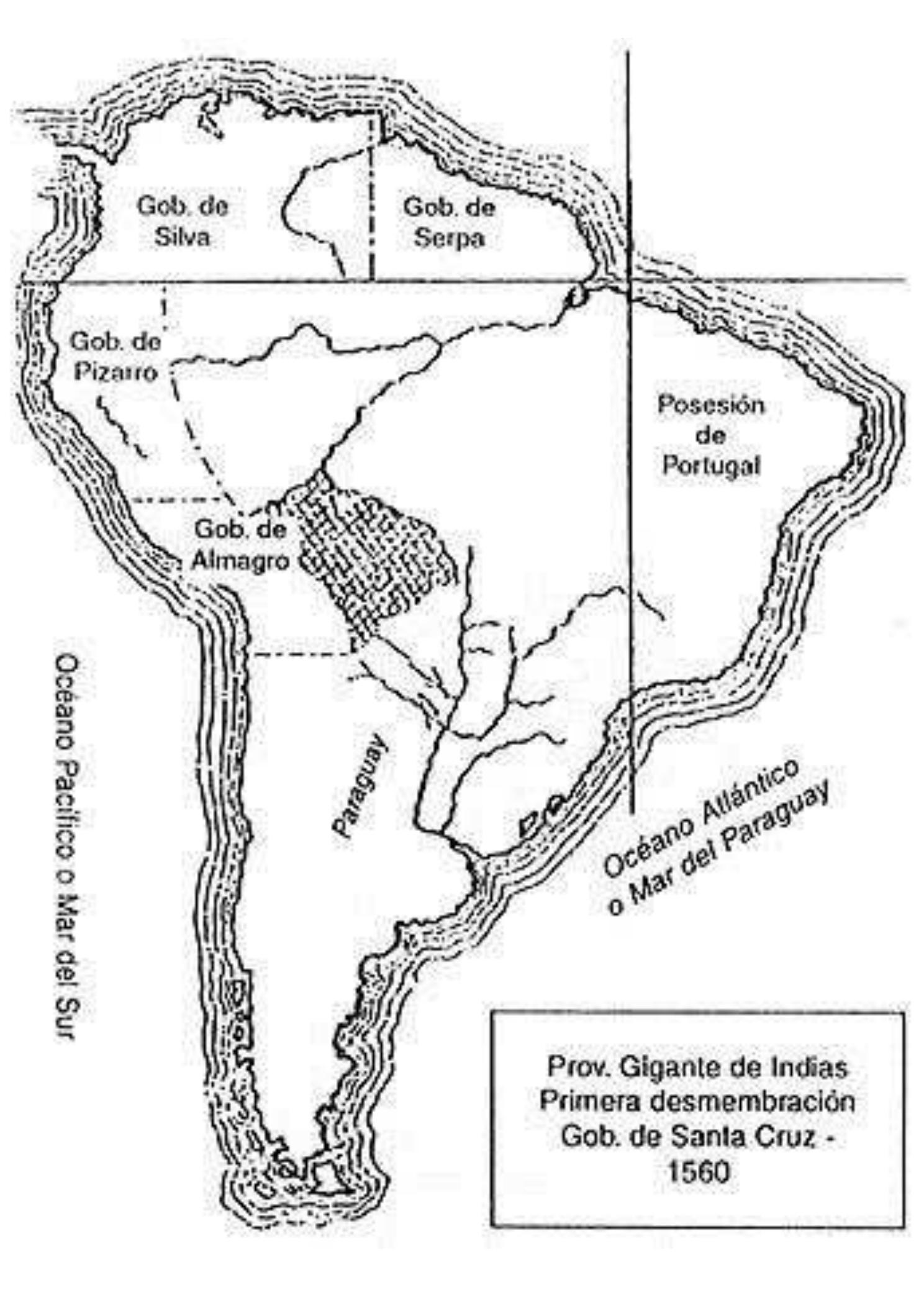
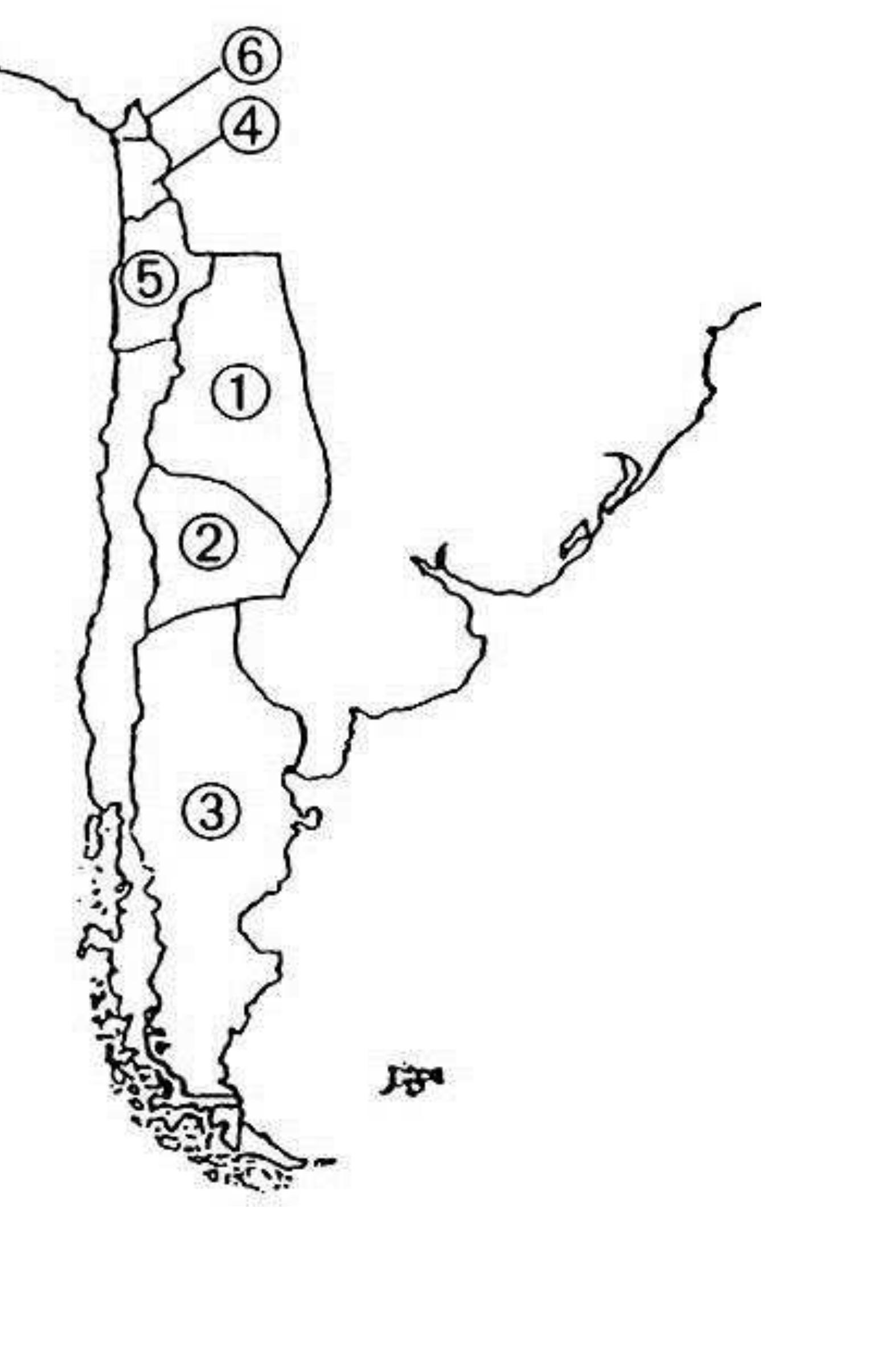
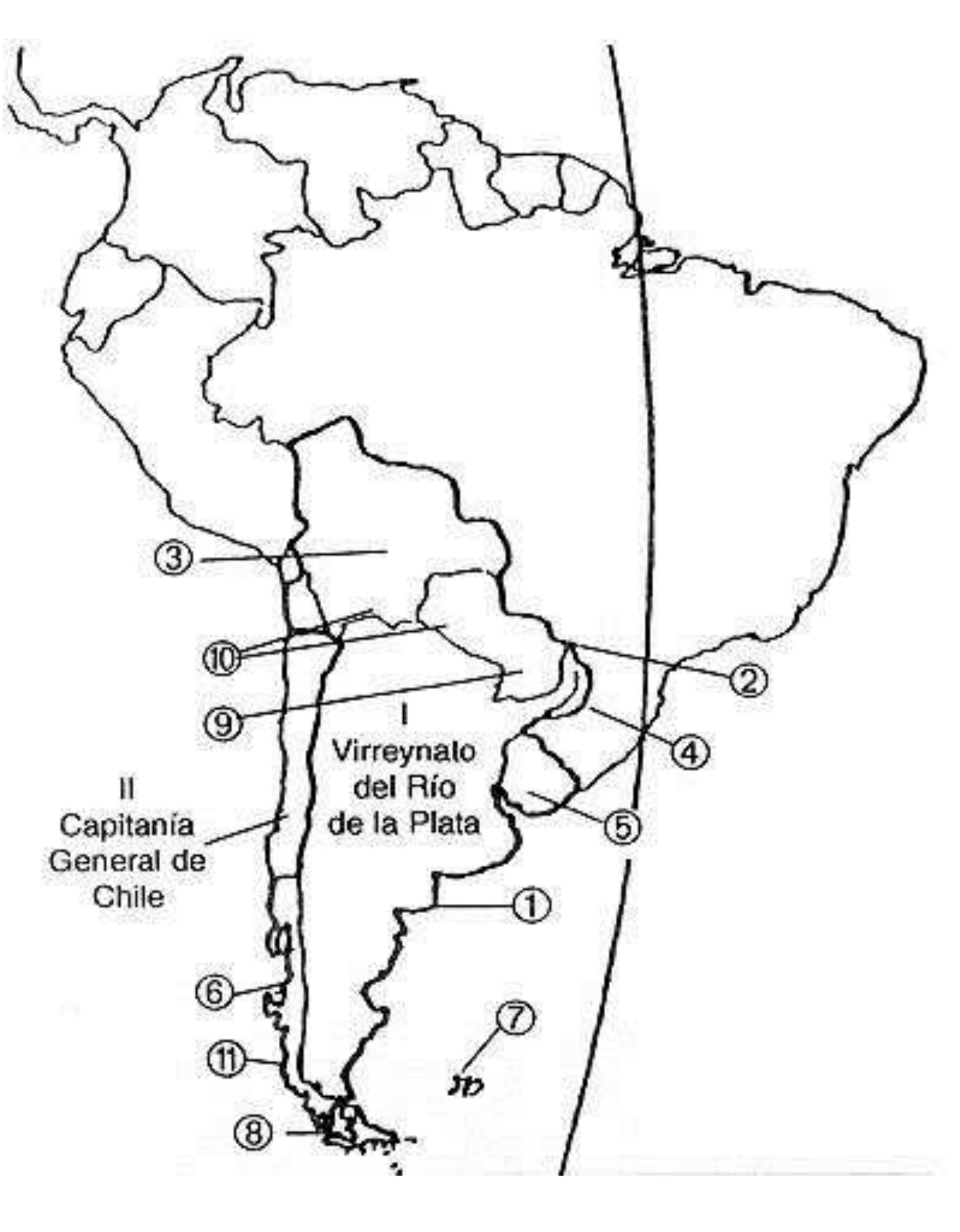
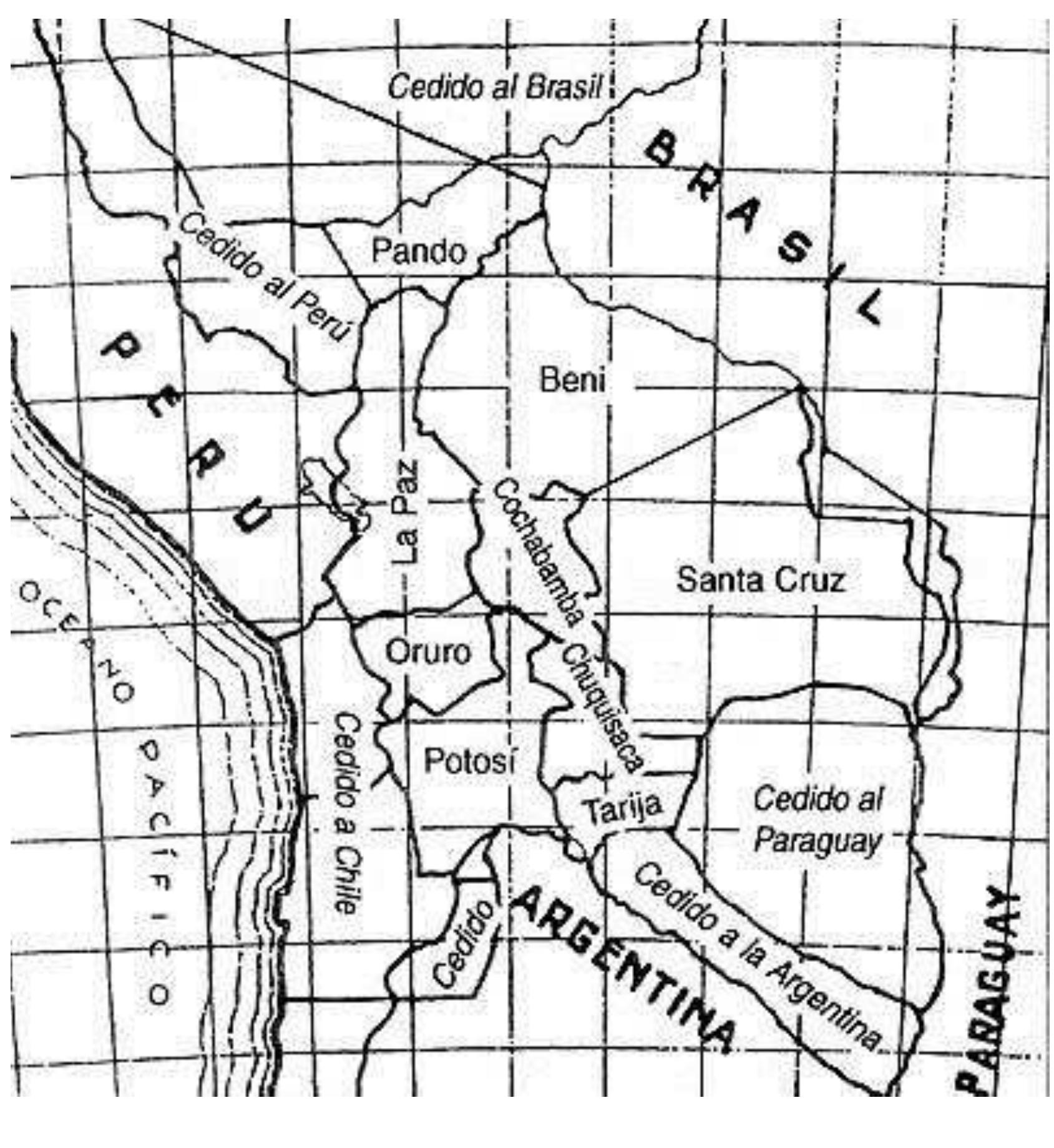
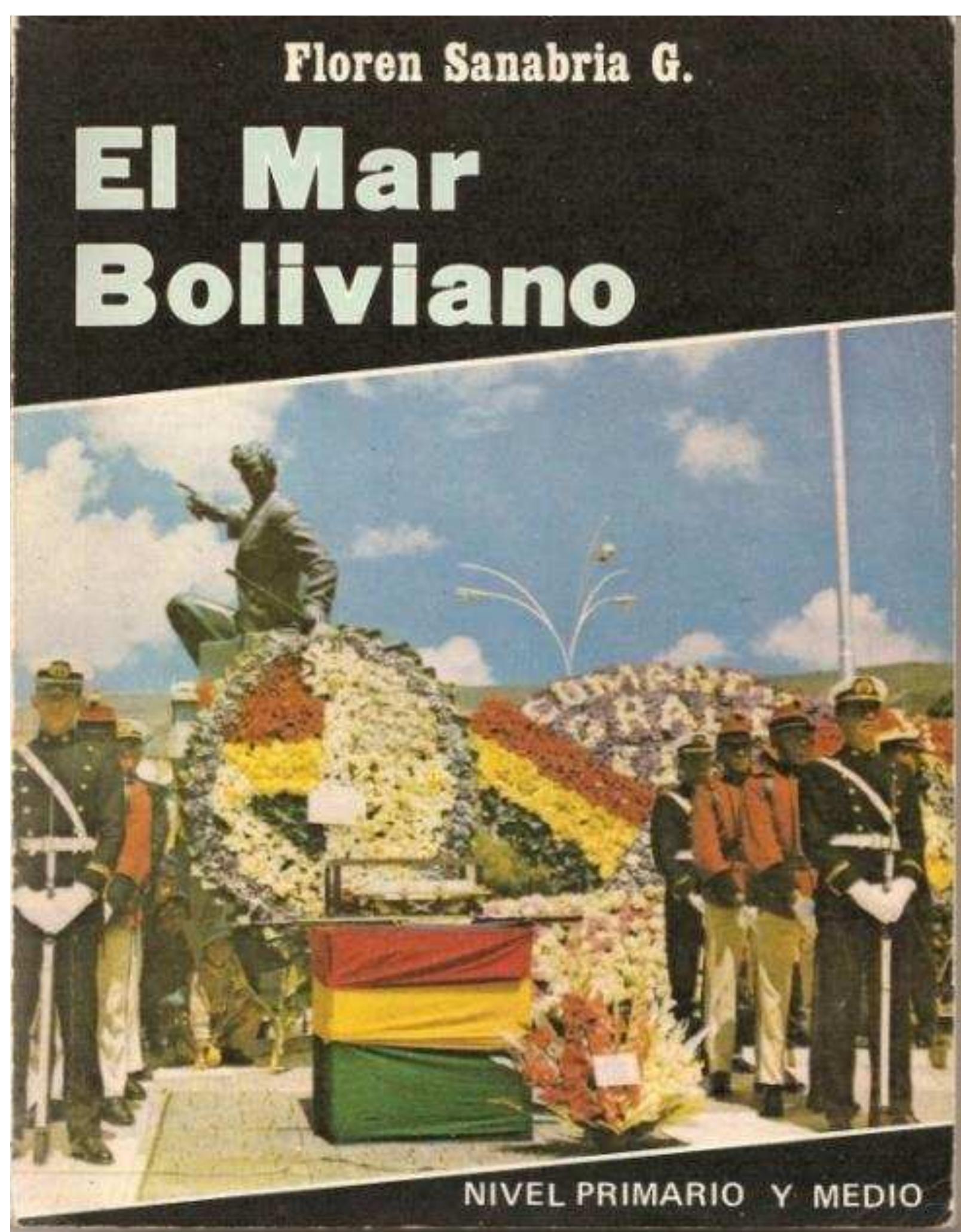
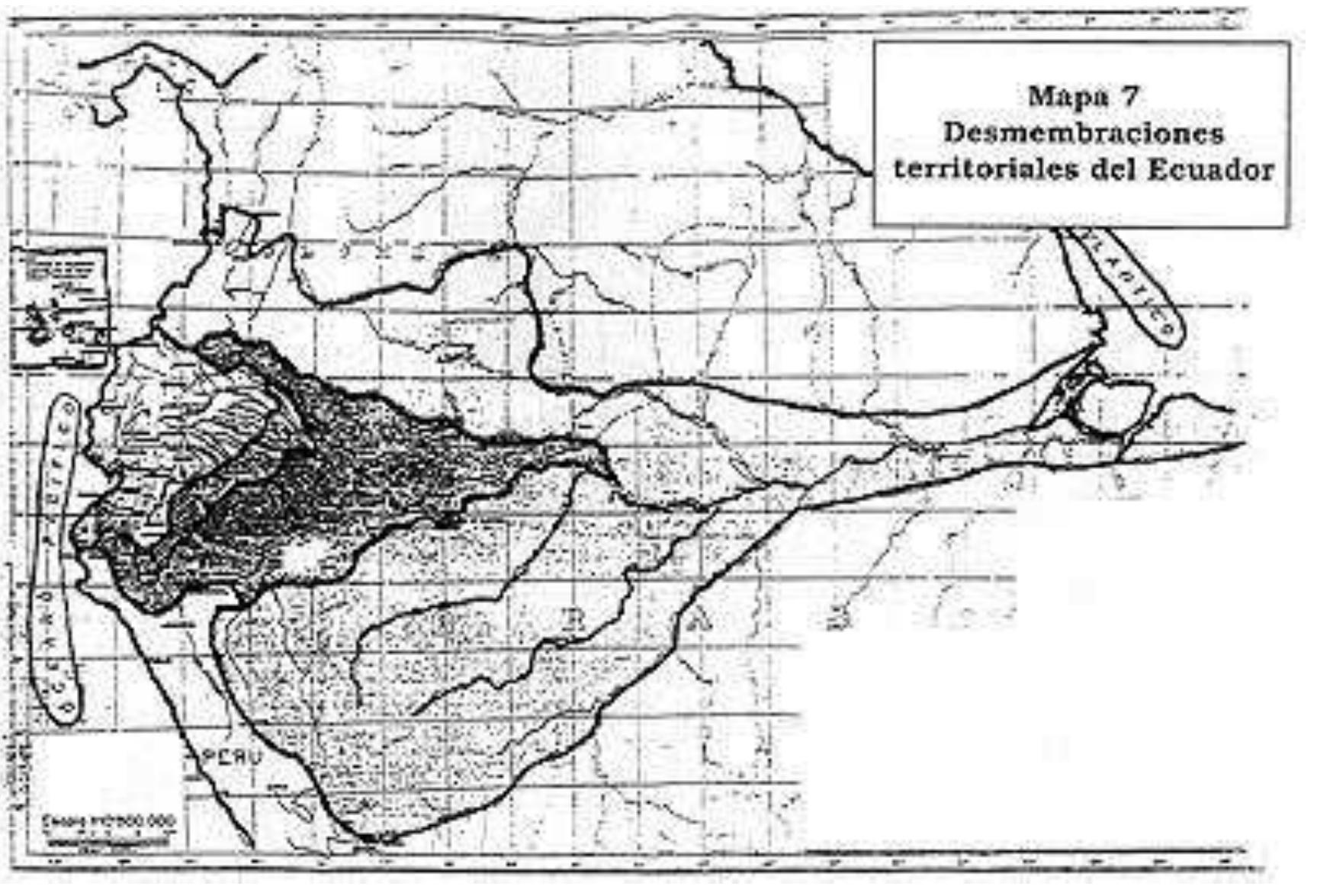
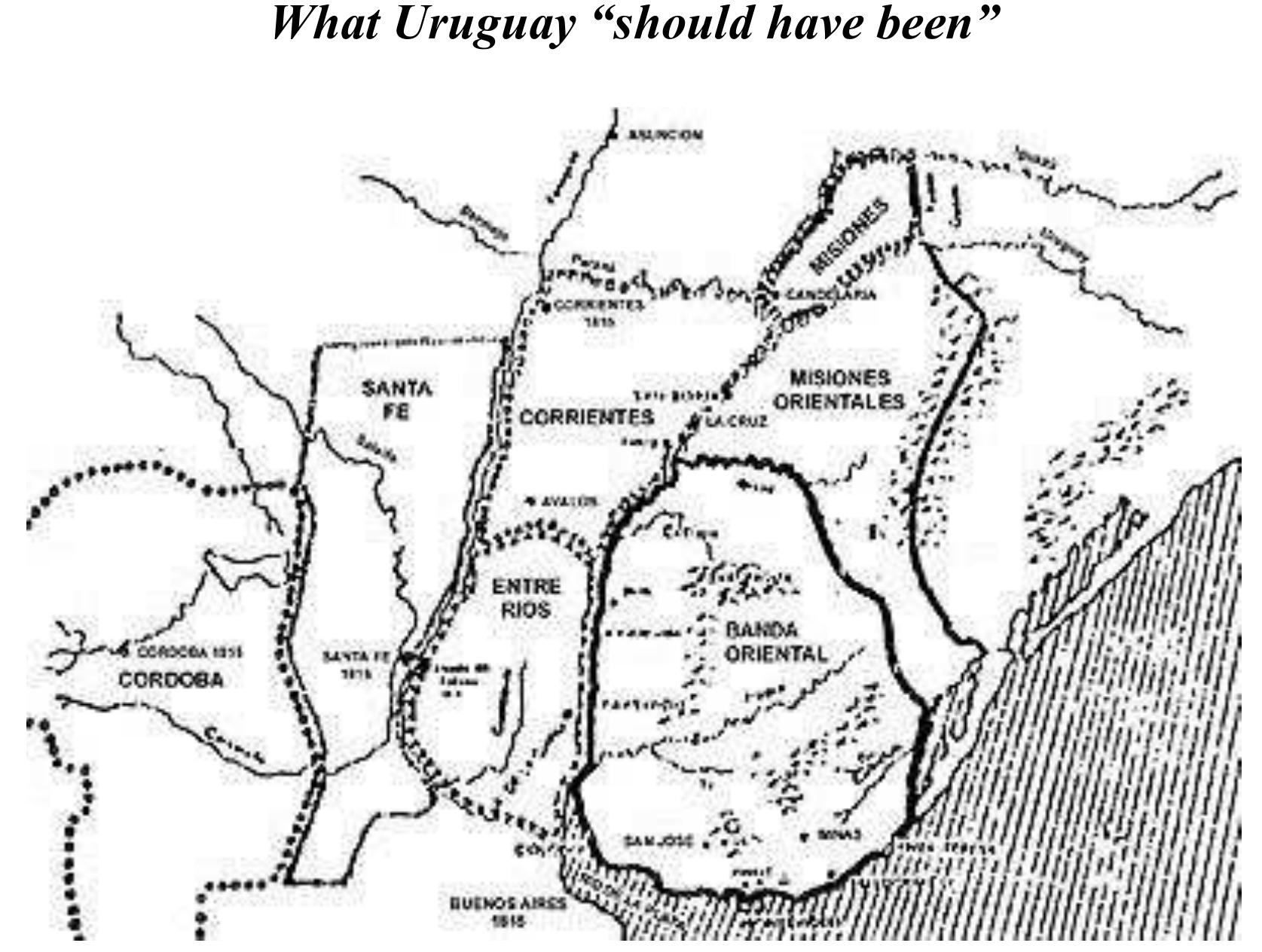
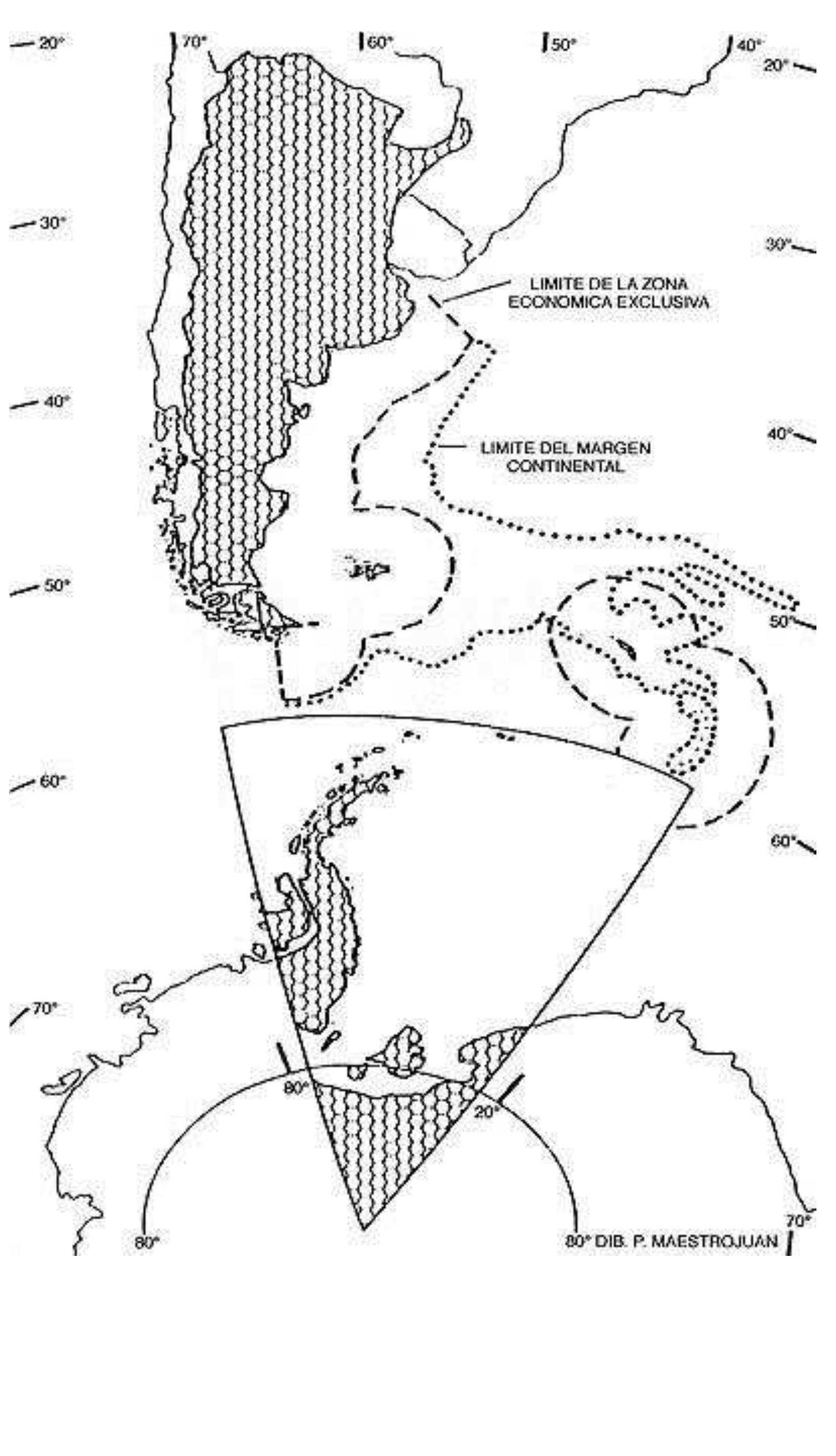
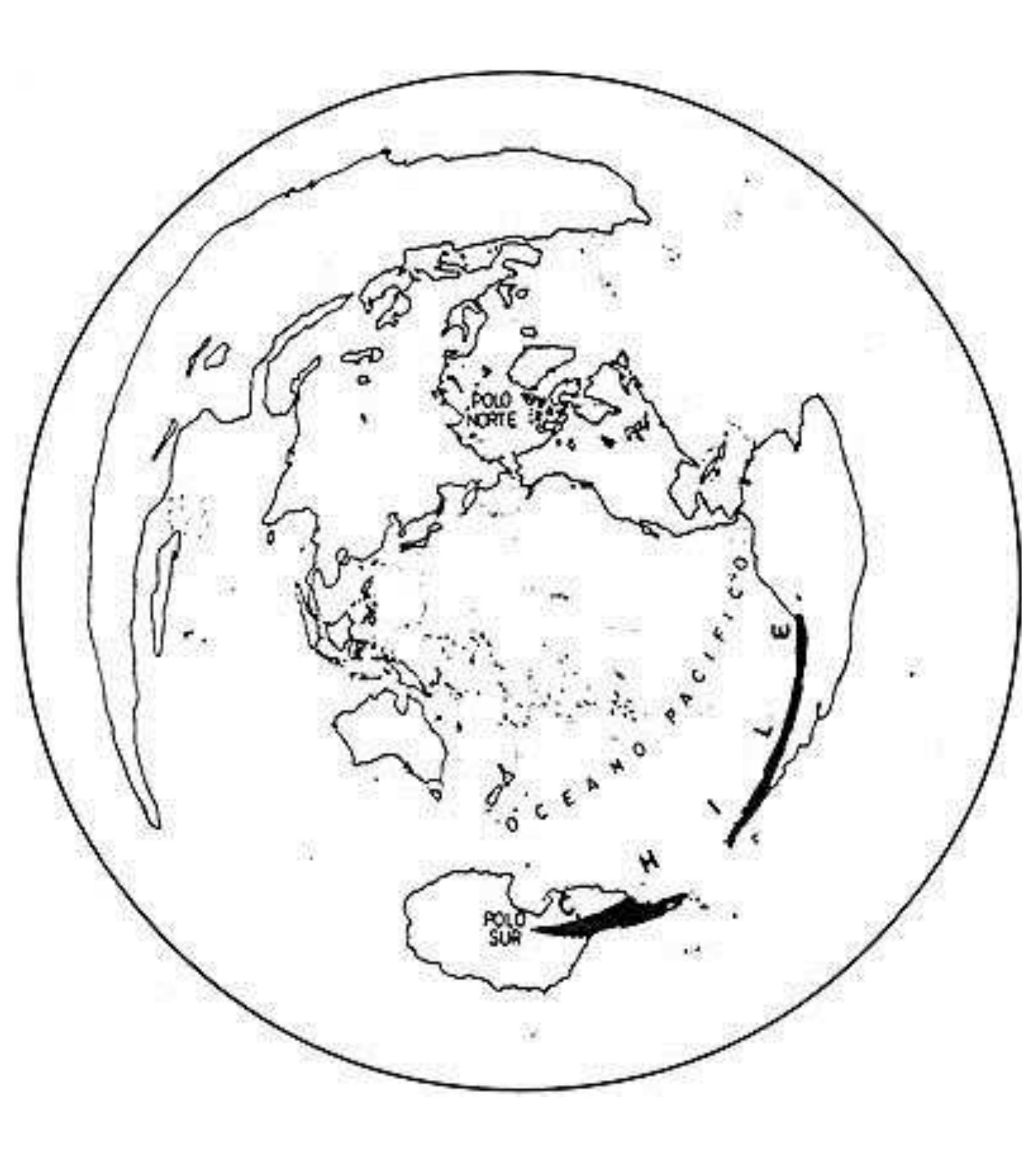
* "Argentina has suffered in the past important territorial losses that must not be repeated. 1) Viceroyalty of the Río de la Plata, 1796. 2) Loss of Paraguay, 30/9/1813.Loss de Bolivia, 1825. 4) Loss of part of Misiones, 1825. 5) Secession of Uruguay, 1828. 6) Chile expands to Cape Horn, 1828. 7) British occupation of the Malvinas, 1834 (sic). 8) Loss of the Strait of Magellan and Brunswik Penninsula, 1843. 9) Loss to Paraguay of Villa Oriental and contiguous territories, 1869. 10) Loss of Tarija and a part of the Argentine Chaco, 1889. 11) Loss of Puerto Natales, 1893" (R. Salguero, Todo sobre el Beagle, El Cid Editor, Buenos Aires, 1979).M.B. Plotkin, op.cit., page 72.Monitor, July 31, 1911, page 128.E. Bavio, "La historia en las escuelas argentinas", Part I, Monitor, March 31, 1910, pages 712-713.Part II of the article quoted above, Monitor, April 30, 1910, pages 69-72.Monitor, June 30, 1910.For the analysis of the Japanese case, see P.A. Narasimha Murthy, The Rise of Modern Nationalism in Japan (A Historical Study of the Role of Education in the Making of Modern Japan), Ashajanak Publications, New Delhi 1973. For the German case, see E.H. Reisner, Nationalism and Education since 1789: A Social and Political History of Modern Education, Macmillan, New York 1922, and P. Kosok, Modern Germany: A Study of Conflicting Loyalties, The University of Chicago Press, Chicago 1933. Reisner's book, a classic of the field, treats the French, English, Prussian and US cases.J.V. González, Patria, Buenos Aires, 3rd. edition, 1908 (the first edition is of 1900), pages 16-18, 20, 26, 32 and 42. Regarding the French case, see E.H. Reisner, op.cit., and C.J.H. Hayes, France, A Nation of Patriots, Octogon Books, New York 1974 (first edition 1930). Renan's definition comes from his celebrated essay "Qu'est-ce qu'une nation?" 30 For the US case, see E.H. Reisner, op.cit., and F. FitzGerald, America Revisited (History Textbooks in the Twentieth Century), Atlantic Monthly Press, Little, Brown and Co., Toronto 1979. For the special case of perceptions of Latin America in US textbooks, see Latin America in School and College Teaching Materials, American Council on Education, Washington D.C. 1944, and R.A. Pastor and J.G. Castañeda, Limits to Friendship (The United States and Mexico), Alfred A. Knopf, New York 1988. The latter work also carries a chapter on perceptions of the United States carried by Mexican textbooks.This is the reason why I take the year 1914 (that of the death of Ramos Mejía and of the beginning of the war) as a breaking point in my periodization, and not 1916 (the year in which the Radical administration was inaugurated and which conventional wisdom would normally choose as a landmark for periodization). Although the effects of the death of the old President of the Consejo and of the outbreak of the European war were only superficial, they were actually greater than the effects of the change of government, at least in terms of ideological contents. See Chapter 3 of my El fracaso… 32 I created this table from the list of songs published in the Monitor of December 31, 1920, pages 161-165. The "second grade" of this table corresponds to what in Argentina was known as primer grado inferior (actually a second grade). Thus, the "seventh grade" of this table was known in Argentina as "sixth grade", despite the fact that it was actually the seventh year of primary school.R. Rojas, book cited in the text, prologue titled "Breve historia de este libro" dated January 1, 1922, Peña Lillo edition, Buenos Aires, page 23.The Argentine case contrasts sharply with the Mexican case, where the political ruptures generated qualitative changes in the ideological contents of primary and secondary education. See J.Z. Vázquez, Nacionalismo y educación en México, El Colegio de México 1975.Paradoxically as well, this statement runs against Argentine conventional wisdom, insofar as the sectors who have appropriated for themselves the term "nationalists" would find it difficult to acknowledge that it was the Conservatives who first established cultural nationalism as an official pedagogical ideology, and that after 1908, one major cultural aim of the Conservatives (who have always been accused of promoting a "European" Argentina) was to de-Europeanize Argentina.Carlos Octavio Bunge was one of the principal ideologues who inspired this educational reform that was also a project of cultural engineering. His numerous articles in the Monitor were frequently quoted afterwards by other such ideologues. See especially his "La enseñanza de la tradición y la leyenda" (February 28, 1911), "La educación patriótica ante la sociología" (August 31, 1908), "La poesía popular argentina" (December 30, 1909), "Teoría de un libro de lectura escolar" (December 31, 1910), and "La enseñanza de la historia" (January 31, 1911). Paradigmatic of Bunge's attitude regarding the invention of traditions and legends was his assertion in the first of these articles: "Though a fervent admirer of scientific positivism (...) I am the most sincere supporter of poetical fiction in the education of the ".child".The tango may be the only collective Argentine product that had a strong impact upon other cultures and that in some measure was internationalized. It may be symptomatic that, leaving aside very few personal exceptions, it lost practically all creative momentum several decades ago. And it is certainly interesting to remember that Manuel Gálvez, one of the founding fathers of Argentine nationalism, should have thought that one of the most convincing proofs that Argentina was suffering a serious process of "denationalization" that needed be checked was the dissemination of that new and "alien" dance. See M. Gálvez, El Diario de Gabriel Quiroga: Opiniones Sobre la Vida Argentina (Arnoldo Moen y Hno., Buenos Aires 1910, page 129; cf. C. Solberg, op.cit., page 141). That what later became the very symbol of the Argentine nationality should have been considered denationalizing in 1910 is an illustration of the static character that these men wanted to impose upon the nationality they sought to create."La orientación moral de la escuela argentina", Monitor, September-December 1930. 40 Address by general Justo on occasion of the assumption of Ramón J. Cárcano as president of the Consejo, Monitor, May 1932.Orders of F. Julio Picarel, Monitor, May 1932, pages 128-129.Propaganda classes for the Patriotic Loan, Monitor, June 1932, pages 203-208.In his comments to the manuscript of this chapter, Lars Schoultz said that this title doesn't make any sense in English. It doesn't make any sense in Spanish either, unless the reader is a party to the culture that bred it. It means simply that children should be educated so that they can live their lives exacerbating their emotions. The original in Spanish says "La Escuela Argentina Para la Vida Exacerbando el Sentimiento" (with capital letters).For a complete description of this indoctrination method, see J.E. Gutiérrez, "Escuela Rural Argentina", lectures delivered on November 10 and December 14, 1936, Monitor, pages 47-50.J.A. Astolfi, "Los maestros y el nacionalismo", Monitor, June 1940, pages 117-123. 46 Address by Pico on the occasion of his assumption as president of the Consejo, Monitor, November 1932.Monitor, March-April 1945.Monitor, September-October 1946, pages 3-7.50 735.00/3-2250, RG 59, Department of State, National Archives of Washington D.C. 51 Boletín de Comunicaciones del Ministerio de Educación, No. 108. This bulletin partially replaced the Monitor, whose publication was interrupted in 1949.Many years later, in the 1980s, the news spread that a team of medical investigators of the National Council of Scientific and Technological Research (CONICET) had developed a miraculous antidote to cancer, called crotoxina, based on cobra poison. When the issue became a scandal and the team was incriminated, a significant segment of the public became convinced that the miraculous potential of crotoxina was being frustrated due to a conspiracy of the big multinational pharmaceutical firms, that could not withstand the losses that would accrue as a consequence of the development of this inexpensive drug that, to top it all, was an Argentine invention (which was allegedly intolerable). To such a point have the criteria for (scientific or historical) truth and objectivity been blurred, that a great confusion prevails in the population whereby everything is possible and nothing is believable.Monitor, September-December 1947. 54 Ibid.The first precedent I am aware of regarding the control of school maps by the Argentine army, comes from a presidential decree of September 18, 1937. Monitor, September 1937. Soon after, this control became systematized.All of the quotations in this paragraph correspond to the instructions of intervenor Musachio, Monitor, May-August 1947, pages 54-65.The author of this chapter was formally accused of "treason to the Fatherland" in 1984.See J.C. Puig, "La política exterior argentina y sus tendencias profundas", Revista Argentina de Relaciones Internacionales, No. 1, and G. Ferrari, Esquema de Política Exterior Argentina, Eudeba, Buenos Aires 1981, pp. 18-28. Both are cases of uncritical adherence to the dogma. There were no exceptions to this trend until the author of this chapter published La Argentina, ¿Paria Internacional? in 1984. The interrogation signs in the title were imposed by the publisher: a lack of ambiguity was considered too strong.E. Banchs, "Las canciones escolares", Monitor, July 31, 1909, pages 29-35.E. de Vedia, "La Escuela", Monitor, October 31, 1910, p. 21-30.The reader should bear in mind that these people were actively, consciously and very rationally seeking to generate irrationality (i.e., "frenzies", among other terms they themselves used).E. de Gandía, "La enseñanza elemental de la historia argentina", Monitor, July 1932, p. 26-30.Among other authors, I refer to C.H. Waisman, Reversal of Development in Argentina: Postwar Counterrevolutionary Policies and their Structural Consequences, Princeton University Press 1987, and "Argentina: autarkic industrialization and illegitimacy", in L. Diamond, J.J. Linz and S.M. Lipset (eds.), Democracy in Developing Countries: Vol. 4, Latin America, Lynne Rienner, Boulder, 1989. Waisman acknowledges the role of cultural factors in these phenomena, but due to the lack of a historical perspective about the evolution of indoctrination in Argentina, his treatment of this variable tends to be understated and lacking in empirical substance. 64 The doctrine that establishes that a man should work not for himself but for his "Fatherland" is documented throughout the five decades studied in C. Escudé, op.cit. 1990. This idea can be traced to conferences given by Fichte during the early XIX Century (while French soldiers patrolled the streets of Berlin) and probably had its origin in German idealism, although there are similar doctrines in the Catholic tradition.See M.A. Cárcano, La Política Internacional en la Historia Argentina, EUDEBA, Buenos Aires 1972, Vol. I, Introduction and Chapter 1, and the quotation from the flap of Vol. III and IV.Cited in F.J. Antczak, Thought and Character: The Rhetoric of Democratic Education, Iowa State University Press, Ames 1985, p. 5. 67 The reader should think in terms of Max Weber's concepts "rationality of means" and rationality of ends," as well as in Simon´s "radical irrationality." 68 Historical maps with boundaries similar to those that I describe in the text, that are the bases for the myths of territorial losses, can be found in numerous South American school texts throughout the XX Century. See, for example, Emiliano Gómez Ríos, El Paraguay y su Historia, 1963; Armando Paiva, Geografía de la República del Paraguay, 1976; Atilio Sivirichi, Historia del Perú, 1939; José Antonio del Busto Duthurburu, Historia del Perú, 1964; Gustavo Pons Muzzo, Las Fronteras del Perú, several editions (including very recent ones); Luis Aníbal Mendoza García, Derecho Territorial Ecuatoriano, c. 1982; Pedro Cunhil Grau, Geografía de Chile, 1977; Alfredo Ayala Z., Geografía Política de Bolivia, 1941; Florean Sanabria G., El Mar Boliviano, 1988; Levi Marrero, Venezuela y sus Recursos, 1963; Mauricio Schurmann Pacheco, Historia del Uruguay en los Siglos XIX y XX, 1977, etc. Not always is there consistency in the way that the different texts of a given country depict the alleged historical boundaries of their formerly grand territories. Nevertheless, give or take some thousands of square kilometers, all of the countries mentioned convey myths of territorial losses through their school texts, and despite the variations between texts, the alleged former boundaries of Perú, Paraguay, Argentina, Chile, Ecuador and Bolivia always configure huge territories, much greater than in present times, while those of Uruguay and Venezuela depict more modest losses. Obviously, the myth of territorial losses is the other side of the coin of the teachings about the neighbor's malevolence (which is always present), if not of bellicist indoctrination (which is often present as well). Colombia presents a curious exception in terms of myths of territorial losses, which are completely absent from its school texts, despite the real loss of Panama, and despite the fact that Colombia was the center of Bolivar's short-lived Gran Colombia, and that is the typical historical basis of South American territorial loss mythologies. 69 It is obvious that the continuum "elitism-social democracy" is different from the continuum "authoritarianism-political democracy". The Argentine armed forces, for example, have been cruelly authoritarian, despite the fact that its officer corps have been fed, to a large degree, with men who came from the lower middle class and for whom a military career was a channel for upward mobility.The use of this explanation is not intended to be reductionist. The variable that is being analyzed would be only one of several that hypothetically had an influence upon the degree of "success".See J.S. Tulchin, Argentina and the United States: a Conflicted Relationship, Twayne Historical Series, Boston 1990; C. Escudé, Gran Bretaña, Estados Unidos y la Declinación Argentina 1942-1949, Ed. de Belgrano, Buenos Aires 1983; and C. Escudé, Realismo Periférico: Fundamentos para la Nueva Política Exterior Argentina, Planeta, Buenos Aires, 1992.A. Maizels, Industrial Growth and World Trade, Cambridge 1963.C. Escudé, El Fracaso....




![* Emiliano Gomez Rios, E] Paraguay y su Historia, 1963; Armando Paiva, Geografia de la Republica del Paraguay, 1976; Atilio Sivirichi, Historia del Peru, 1939; José Antonio del Busto Duthurburu, Historia del Peru, 1964; Gustavo Pons Muzzo, Las Fronteras del Peru, several editions (including very recent ones); Luis Anibal Mendoza Garcia, Derecho Territorial Ecuatoriano, c. 1982; Pedro Cunhil Grau, Geografia de Chile, 1977; Alfredo Ayala Z., Geografia Politica de Bolivia, 1941; Florean Sanabria G., El Mar Boliviano, 1988; Levi Marrero, Venezuela y sus Recursos, 1963; Mauricio Schurmann Pacheco, Historia del Uruguay en los Siglos XIX y XX, 1977, etc.](https://figures.academia-assets.com/54091301/figure_001.jpg)