
FEATURED
Mar 28, 2026
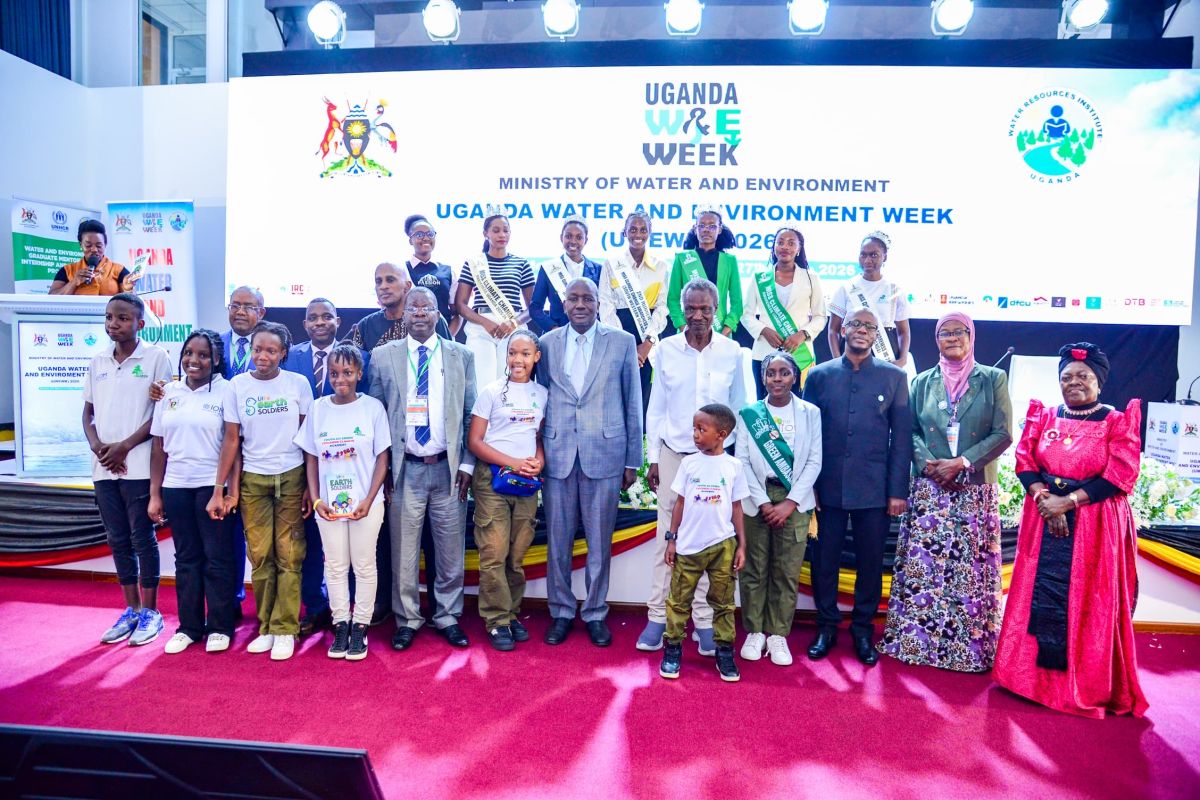
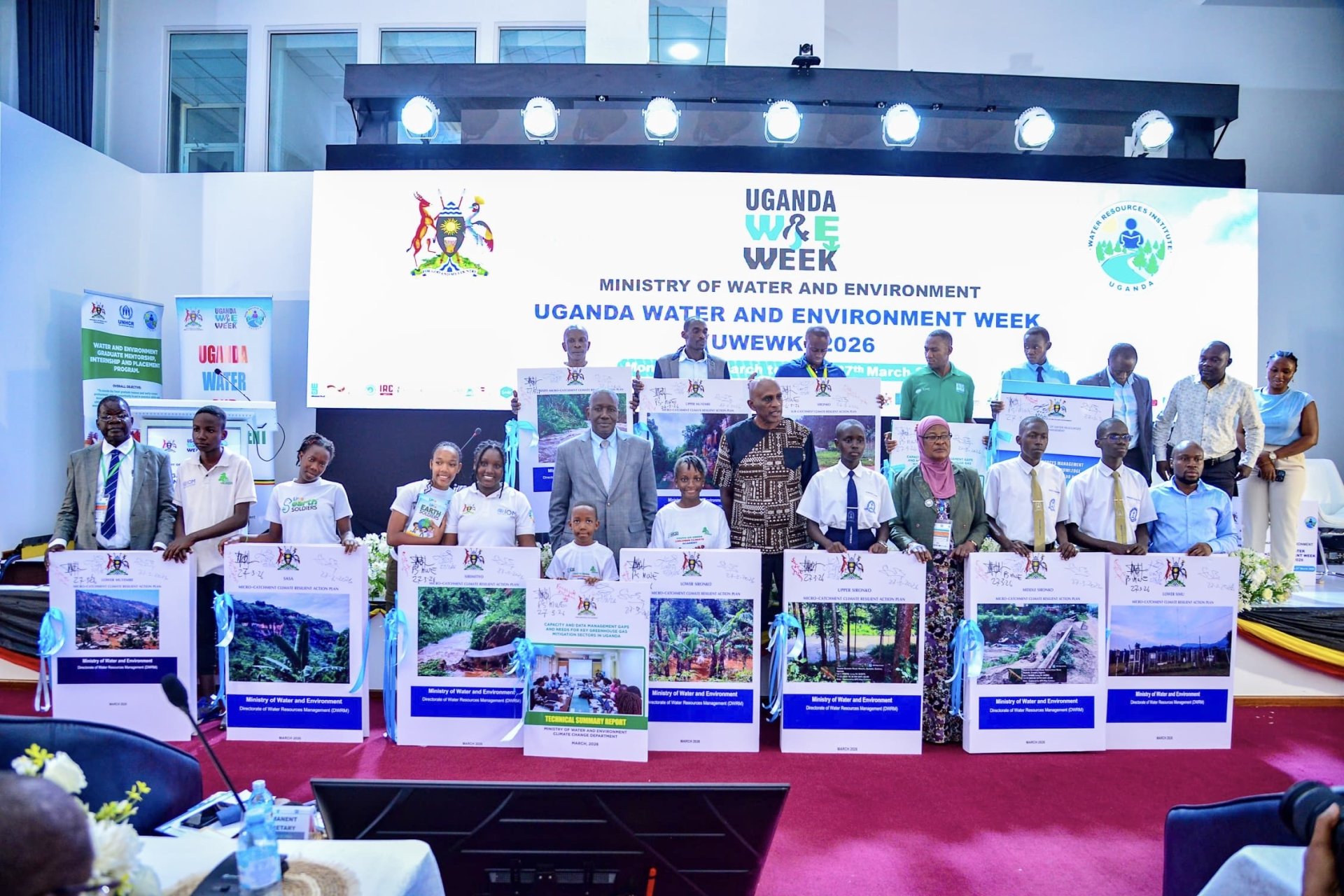
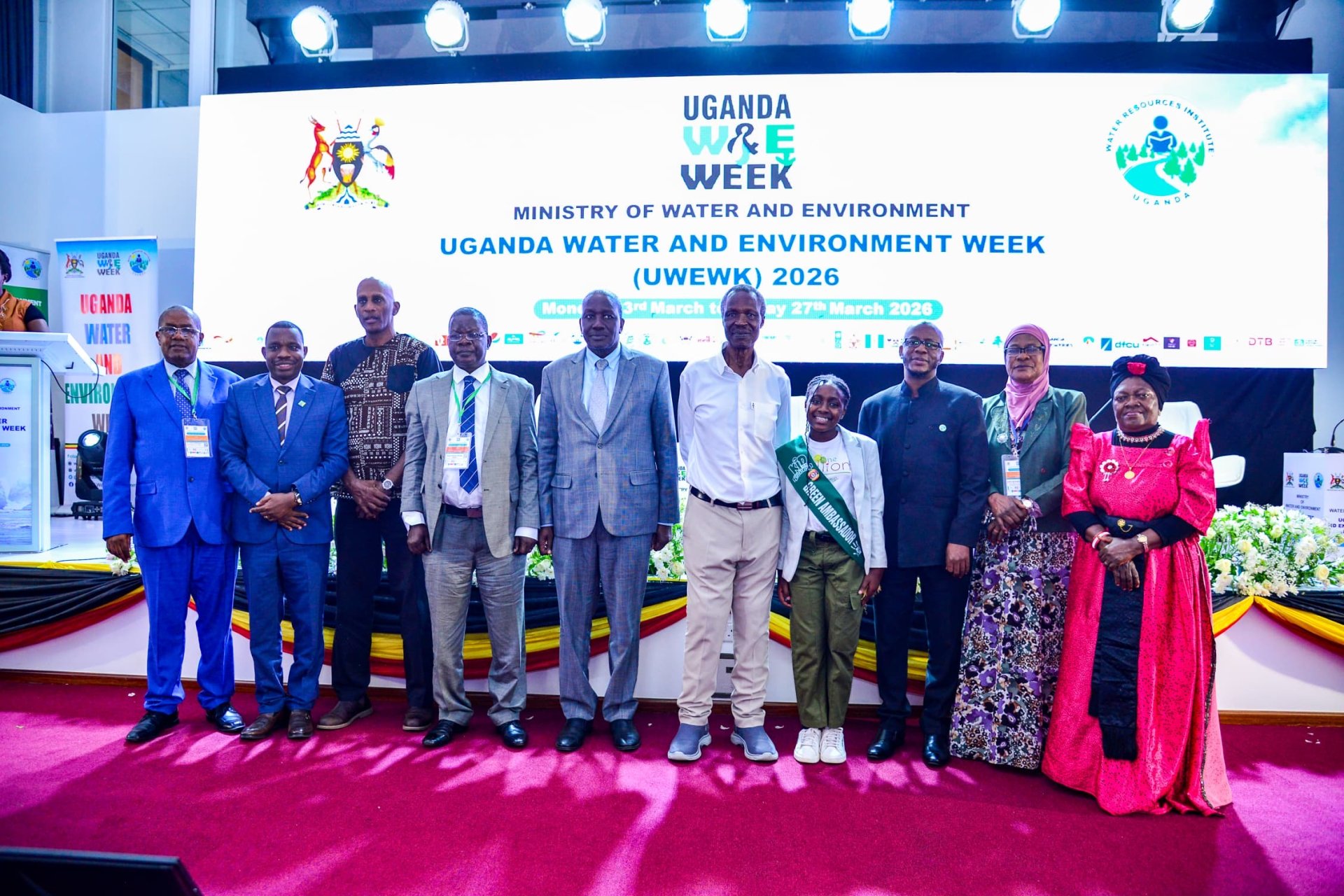
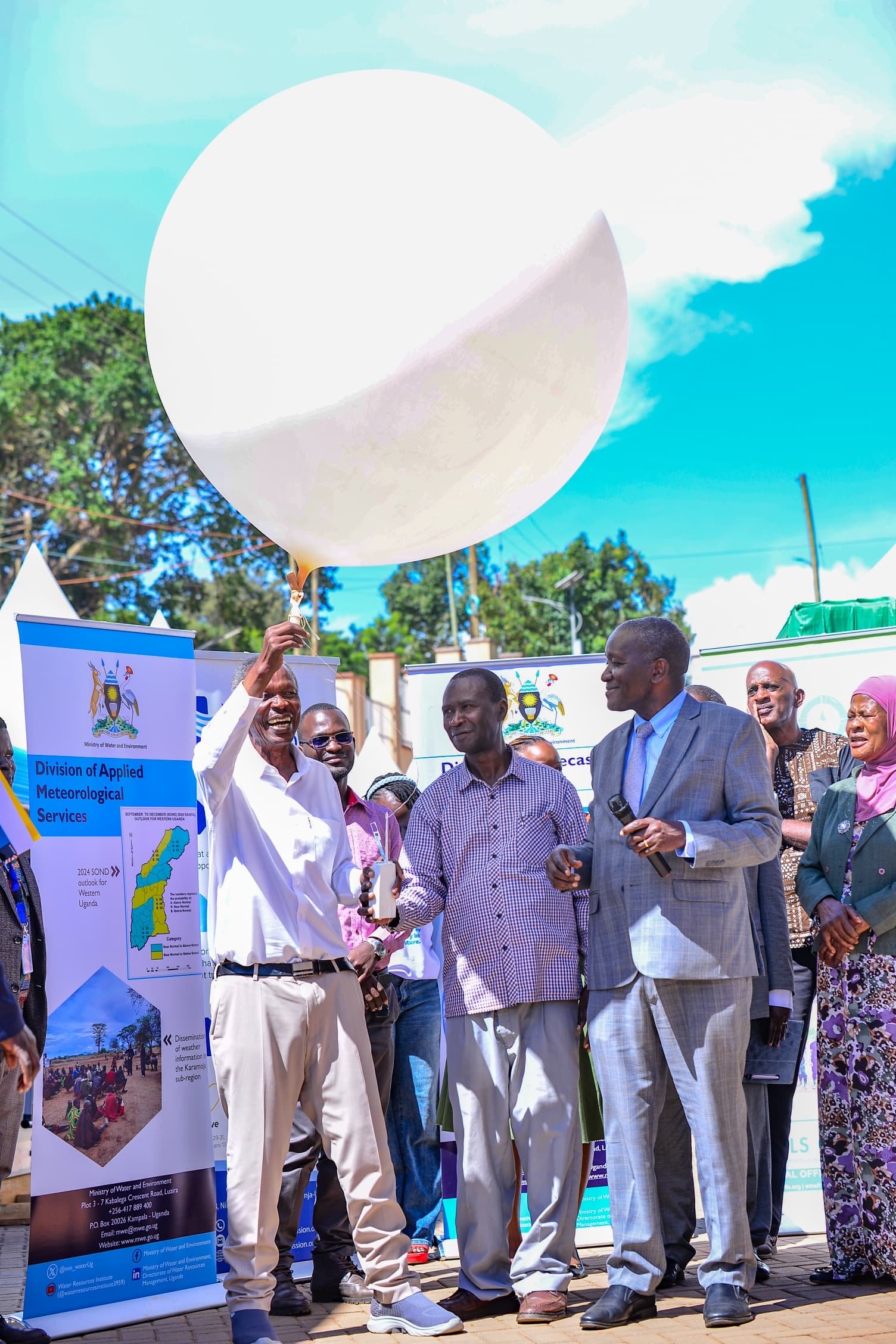
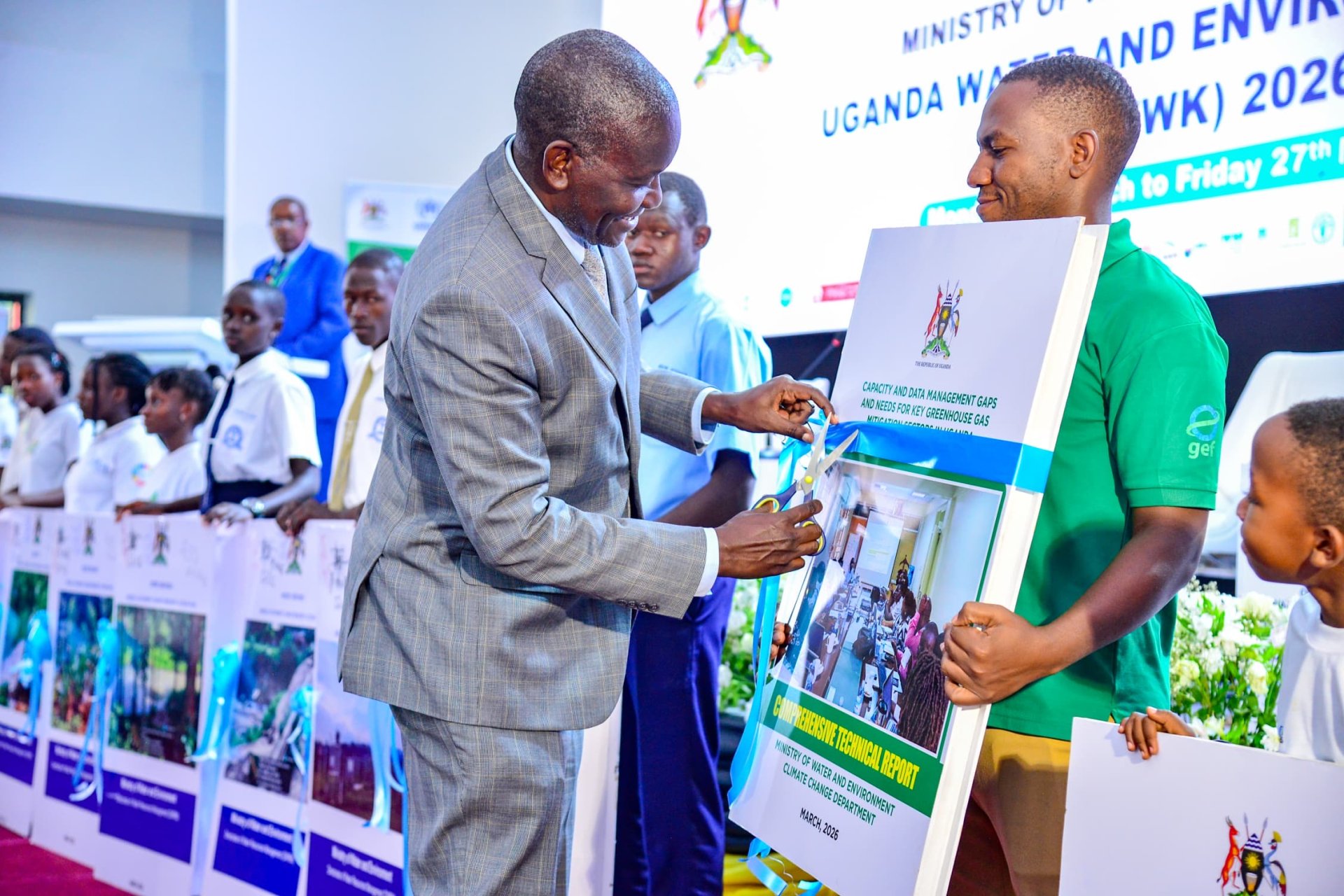
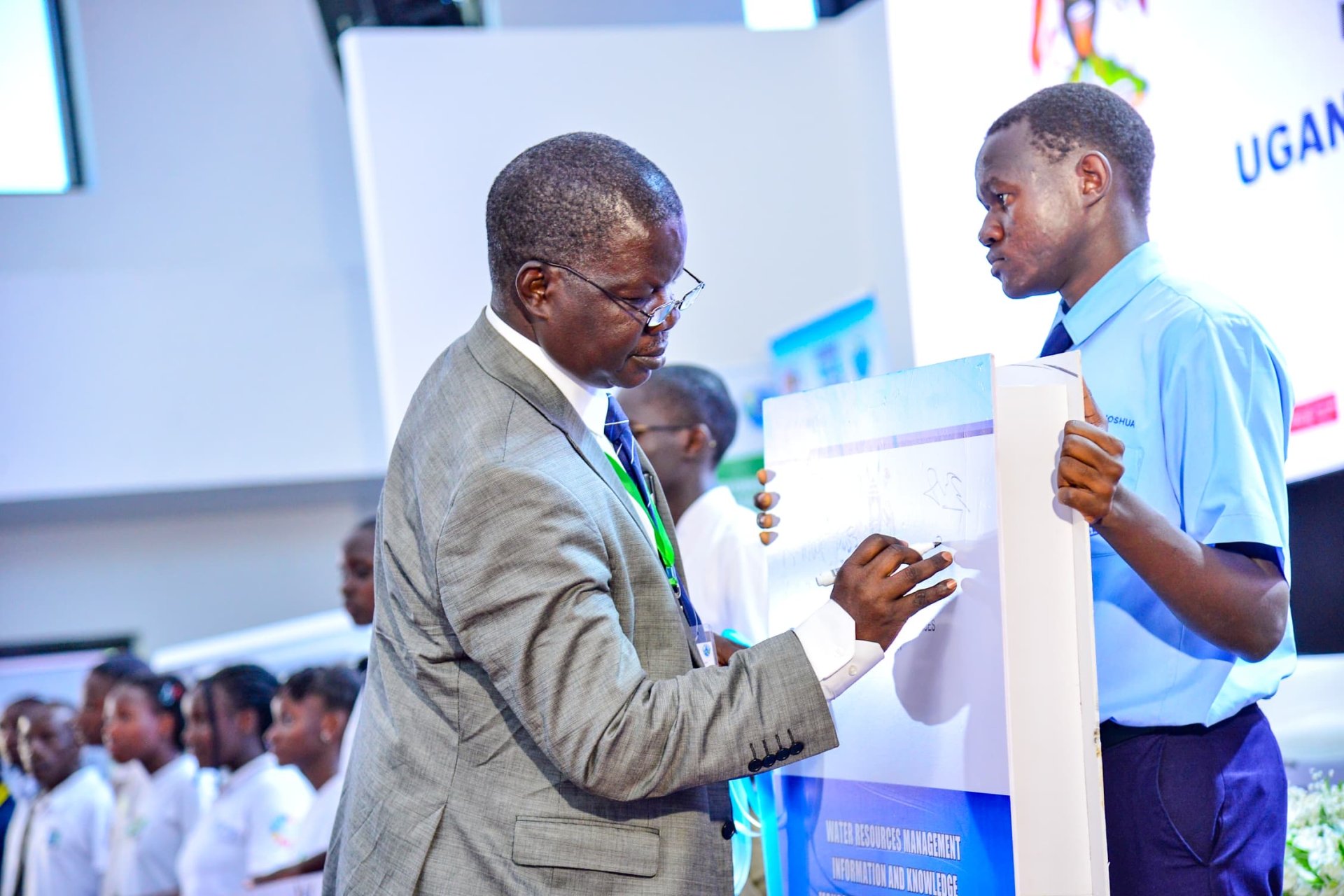
CLOSING CEREMONY OF THE UGANDA WATER AND ENVIRONMENT WEEK 2026
The Minister of Water and Environment; Hon. Sam Cheptoris represented the Guest of Honour - the M...
We are committed to ensuring sustainable management of Uganda's water and environment resources for the benefit of present and future generations. Our mission is to promote and ensure the rational and sustainable utilization of water and environment resources for socio-economic development.
Our Mission Statement:
To promote efficient and effective utilization of water and environment resources for a healthy, wealthy and climate resilient population
Vision Statement:
Transformed Ugandan Society with environment and natural resources sustainably managed.
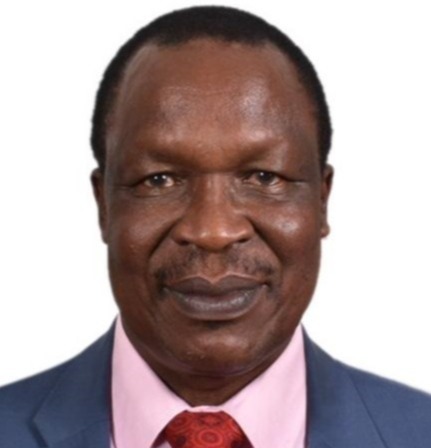
Minister of Water & Environment
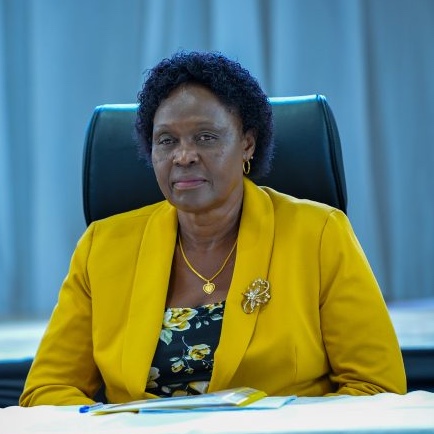
Minister of State for Environment
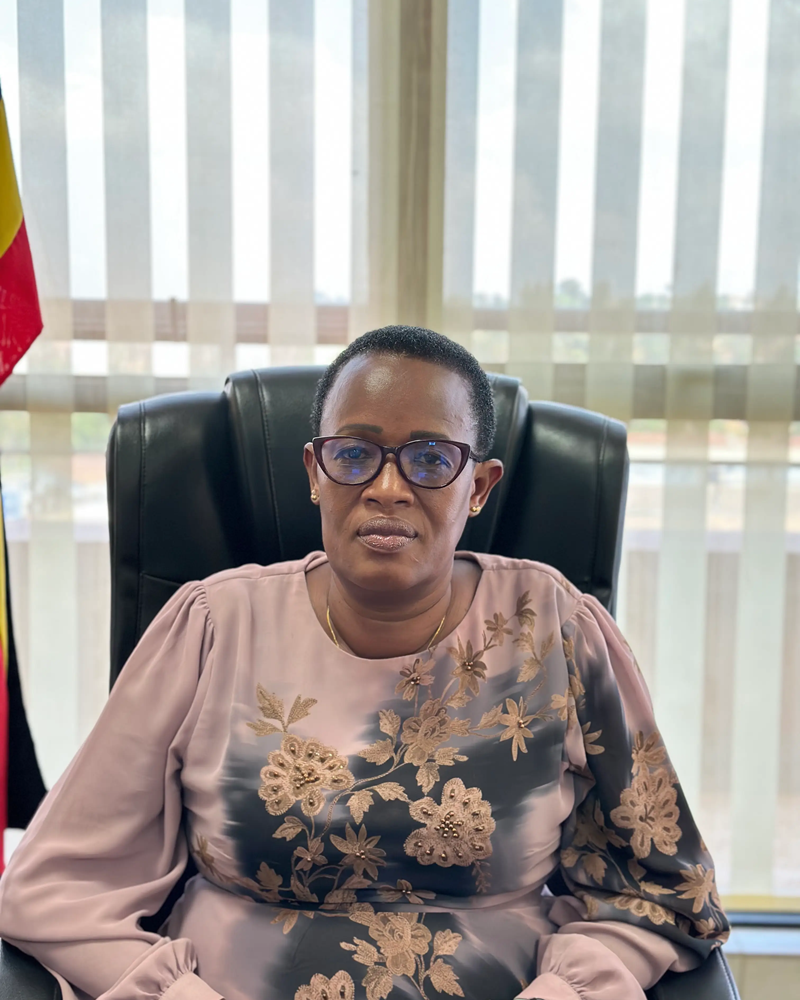
Minister of State for Water
Minister of Water & Environment
Minister of State for Environment
Minister of State for Water
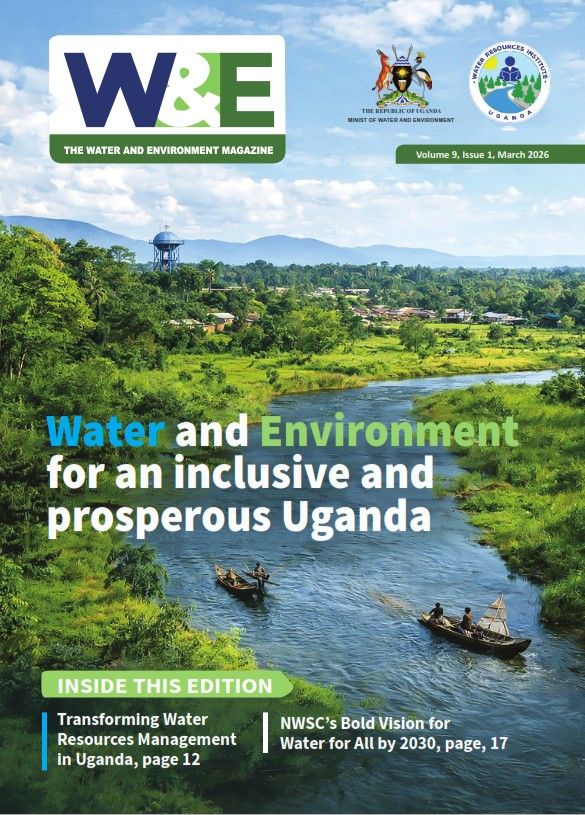
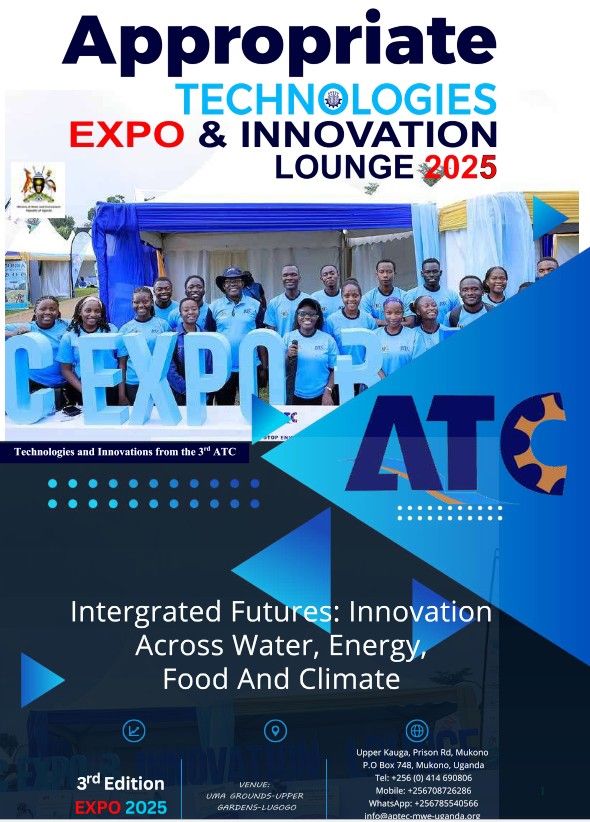
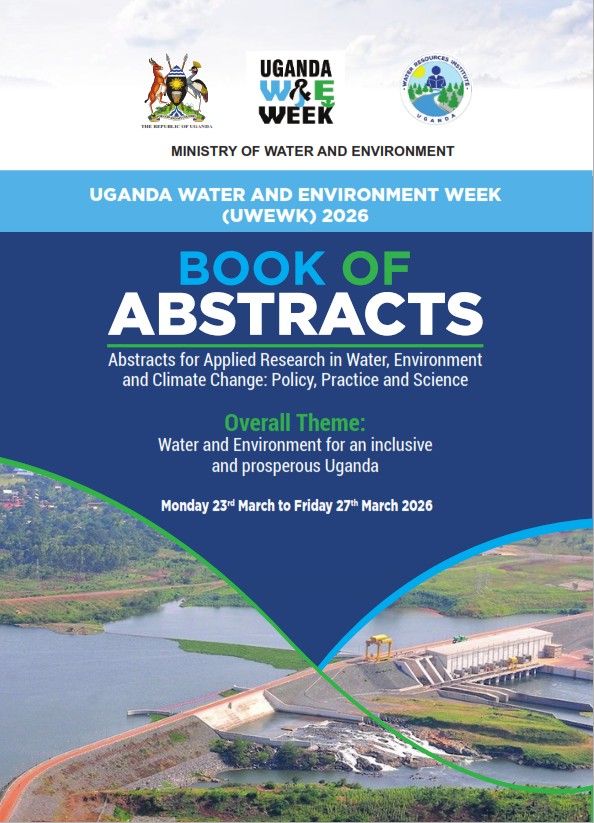
The Minister of Water and Environment; Hon. Sam Cheptoris represented the Guest of Honour - the M...
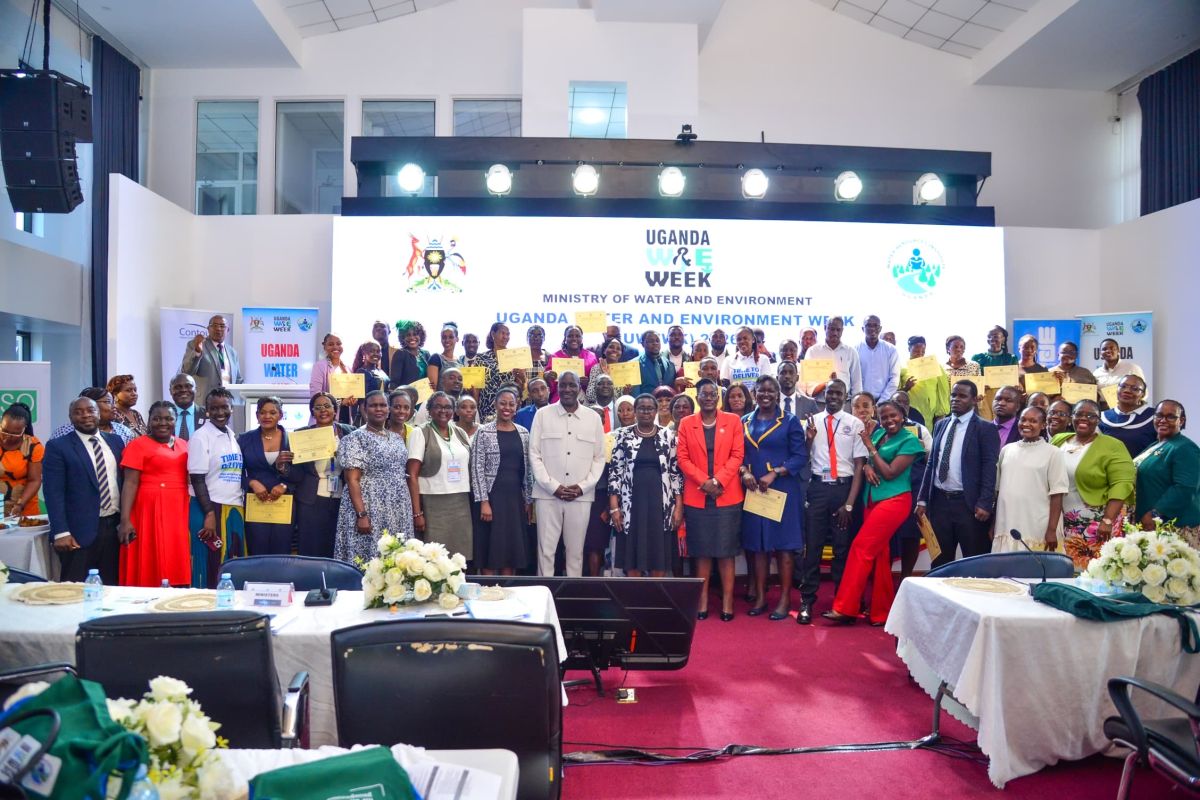
The Deputy Head of Public Service and Deputy Secretary to the Cabinet; Dr. Theopista Mary Wenene off...
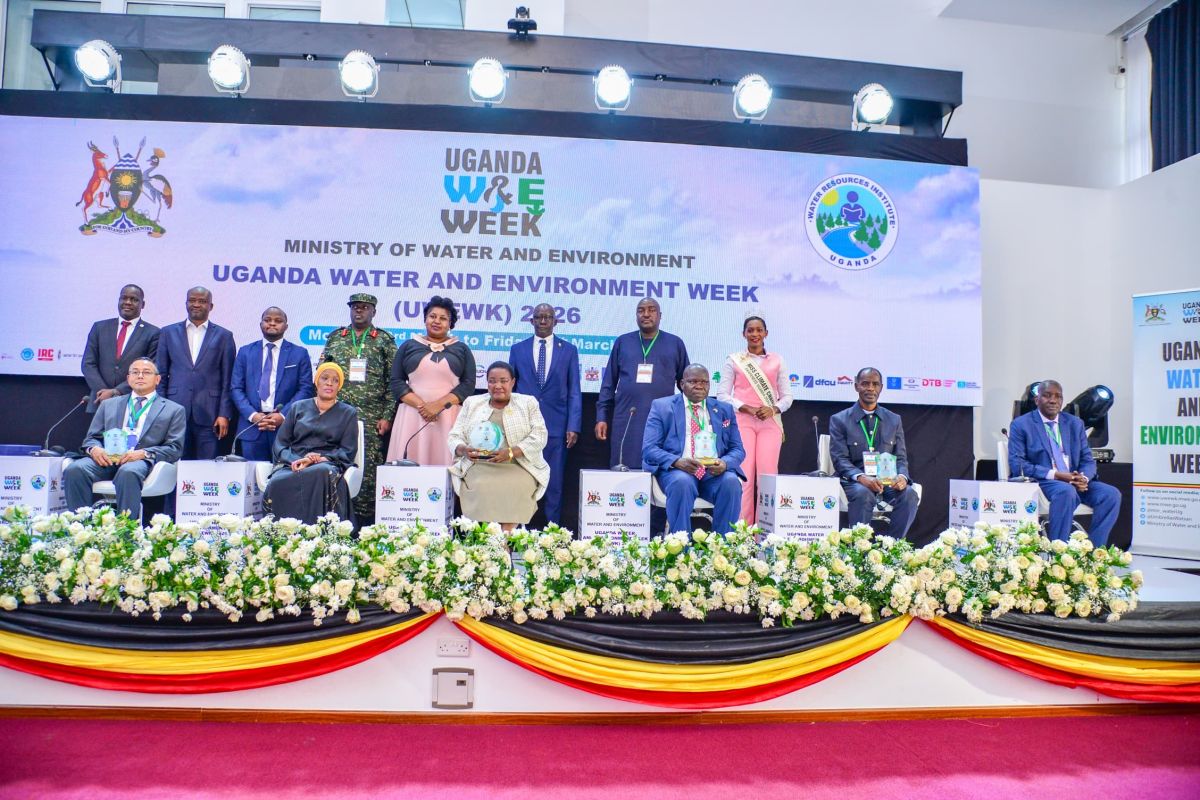
The Rt. Hon. Prime Minister of the Republic of Uganda; Hon. Robinah Nabbanja officially opened the 9...
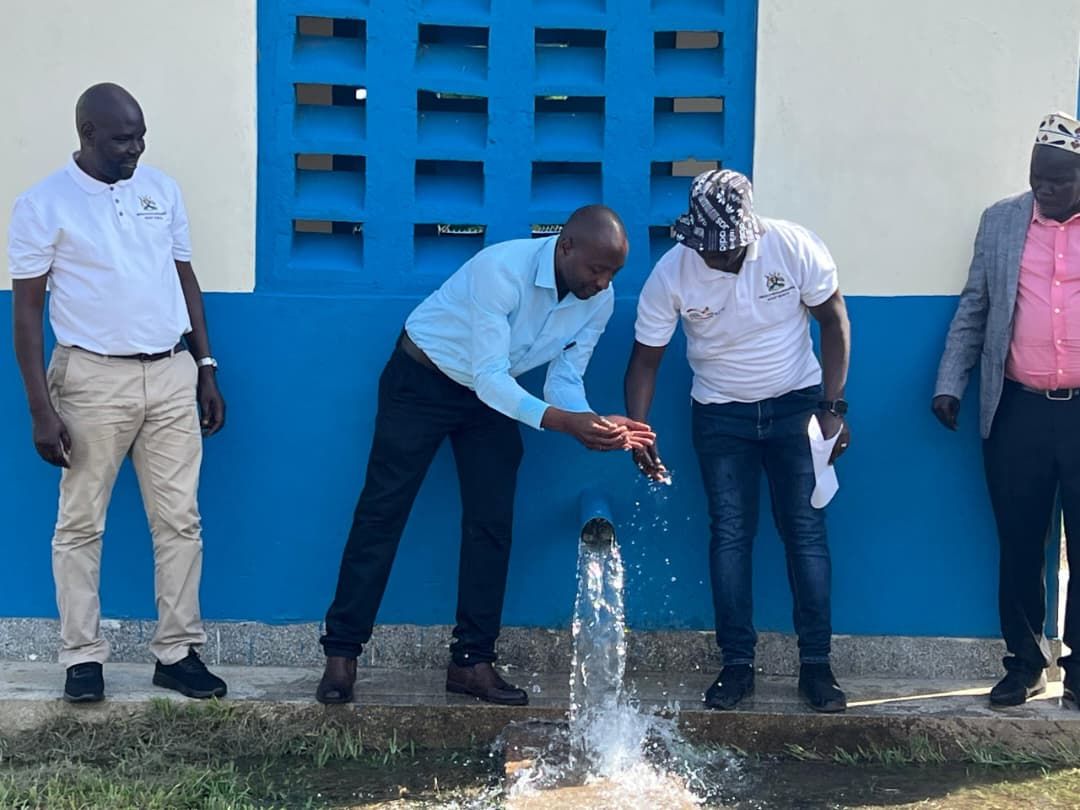
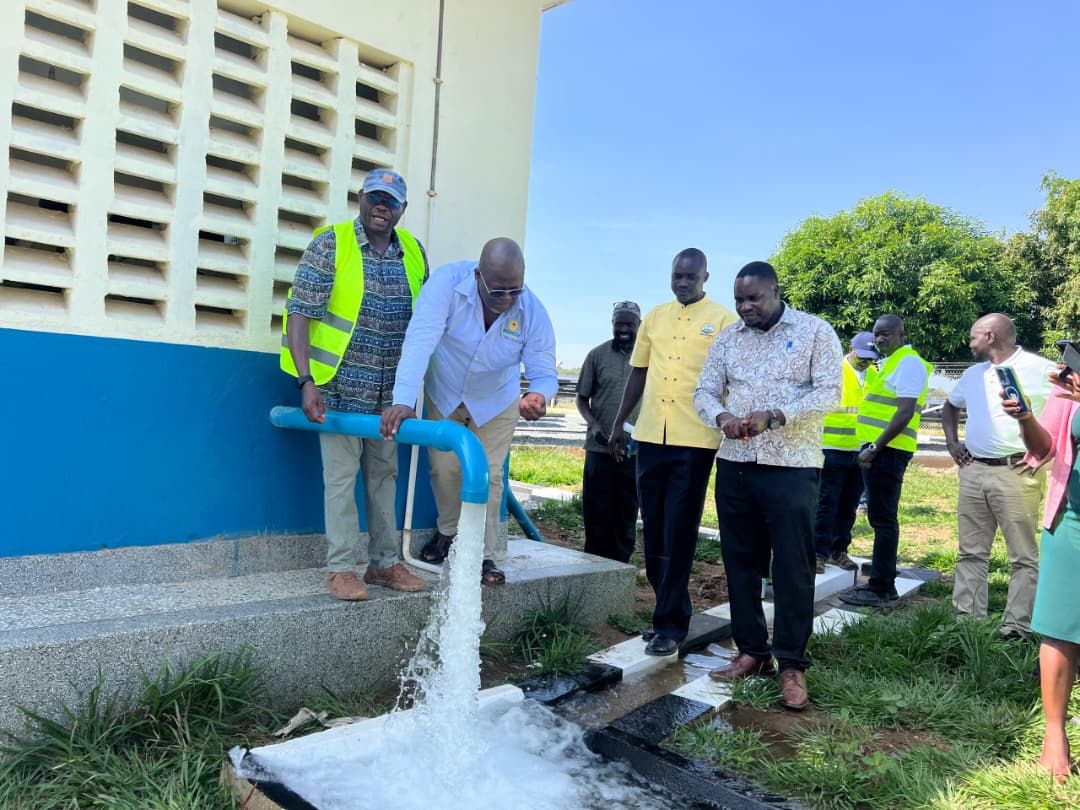
TECHNICAL HANDOVER OF RHINO CAMP PIPED WATER SUPPLY AND SANITATION FACILITIES IN MADI-OKOLLO D...

EURECCCAThe EURECCCA project is a vital initiative by the Government of Uganda, spearheaded by the Ministry of Water and Environment, to bolster the resilience of communities against the adverse impacts of climate change, specifically floods and landslides. The project adopts a catchment-based integrated management approach to water and related resources, aligning with Uganda’s broader environmental and development goals. While the initial duration was set for 2017-2021, the project’s discussions and ongoing activities suggest its continued relevance and impact.Overall Goal and Specific AimsThe overarching goal of the EURECCCA project is to increase the resilience of communities to the risk of floods and landslides in the targeted catchments. This is achieved by promoting integrated, equitable, and sustainable management of water and related resources. More specifically, the project aims to:Support the Government’s efforts to implement Integrated Water Resources Management (IWRM) through Catchment Management Planning.Directly enhance the resilience of communities to climate-induced hazards in the designated project areas.Project ComponentsThe project’s strategy is designed to achieve its comprehensive objectives through various interlinked activities, primarily focusing on:Catchment Management Planning: Developing and implementing strategic plans for the sustainable management of water and related resources within each target catchment.Community Resilience Building: Implementing interventions that directly reduce the vulnerability of local communities to floods and landslides.Stakeholder Engagement and Capacity Building: Fostering participation among local communities and relevant stakeholders, and building their capacity in integrated water resource management.Key Project Areas and ScopeEURECCCA focuses on three primary catchments in Uganda, situated within different Water Management Zones:Maziba Catchment: Located in the Kagera Basin, Victoria Water Management Zone, specifically launched in Kabale district. This area faces significant challenges related to natural resource management and sustainable socio-economic development.Aswa Catchment: Located in the Upper Nile Water Management Zone, launched in Gulu district. This large catchment spans approximately 31,428 km2, with a significant portion within Uganda (about 27,631 km2). It covers numerous districts including Kaabong, Kotido, Napak, Kitgum, Lamwo, Pader, Agago, Abim, Kole, Amuria, Otuke, Alebtong, Lira, Gulu, and Oyam. The Aswa Catchment is further subdivided into eight sub-catchments: Agago, Aswa 1, Aswa 2, Aswa 3, Nyimur, Pager Aringa, Pager Matidi, and Pager Kitgum. Within the Upper Nile Water Management Zone, the project specifically targets Aswa 1, Agago, and Pager Matidi sub-catchments.Awoja Catchment: Located in the Kyoga Water Management Zone.Key Activities and Stakeholder EngagementThe project emphasizes active engagement with stakeholders to ensure localized and effective implementation:Supervision Missions: Regular missions, such as the one held in June 2018 at the Royal Suites Hotel in Bugolobi, Kampala, are conducted to review project progress and report to stakeholders.Stakeholder Forum Meetings: Meetings like the one for the Pager Matidi Sub-Catchment at Little Palace Hotel in Kitgum district are crucial for introducing the project to local stakeholders and facilitating the establishment of sub-catchment management committees to oversee interventions.Project Launches: Formal launches, such as those in Kabale for Maziba Catchment and Gulu for Aswa Catchment, signify the official commencement of project activities in specific regions and engage local leadership, including the State Minister for Environment, Hon. Gorretti Mary Kitutu.Impact and Future OutlookThe EURECCCA project is actively working to address critical challenges related to natural resource management and sustainable socio-economic development in Uganda. By promoting catchment-based integrated management, it aims to enhance community resilience, reduce the devastating impacts of floods and landslides, and secure livelihoods that depend on a healthy environment. The ongoing efforts and lessons learned from the project are vital for informing future strategies for sustainable water resource management and climate adaptation in Uganda.

The five-year project aims to restore degraded sections of ten wetland systems and maintain their integrity for improved water availability, flood abatement, biodiversity flows and climate amelioration measured in area of wetland restored and maintained in hectares by the DLGs, Regional Technical Support Units (RTSUs) and MoWE.The key interventions under the project include; demarcating 2500km of wetlands through planting of pillars and gazettement, restoring 31,000ha of wetland hydro-ecological and socio-economic services, developing 40 management plans for the restored wetlands, promoting 1160 wetland-based enterprises for improved community livelihoods, elevating the status of 5 selected wetlands by designating them as reserves and Ramsar Sites, strengthening 237 wetland technical and institutional capacity at National, District and Community levels and enhancing public and stakeholder awareness for 600,000hhs for effective participation.The project is being implemented in the following target areas: Lumbuye, Kibimba, Awoja, Ssezibwa, Mayanja, Tochi, Enyau, Aswa, Muzizi and Mpanga wetland systems.
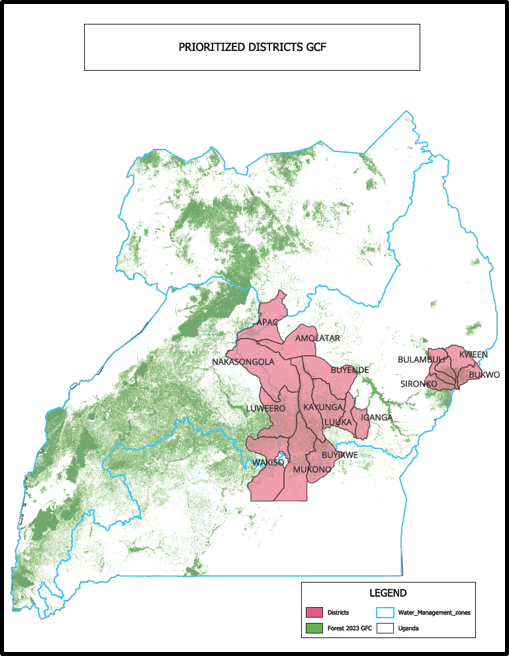
Project summary Between 2016 and 2017, Uganda achieved a major climate milestone by reducing over 8 million tonnes of CO₂ equivalent through targeted efforts to combat deforestation. These results were reported in Uganda’s Biennial Update Report (BUR) and validated through the UNFCCC’s technical assessment and analysis processes. At the 43rd Meeting of the Green Climate Fund (GCF) Board (27–30 October 2025, Songdo, Republic of Korea), the Food and Agriculture Organization of the United Nations (FAO) will present the project “Uganda REDD+ Results-Based Payment for Emission Reductions (2016–2017)”. The proposal seeks a USD 31 million GCF grant to reward Uganda’s verified emission reductions and support continued efforts to halt deforestation and forest degradation. This is the first REDD+ Results-Based Payment project in Africa to be presented to the GCF Board, positioning Uganda as a regional leader in climate mitigation and forest conservation.Forests under pressure Uganda’s forests are facing increasing threats from agricultural and settlement expansion, grazing, and unsustainable wood harvesting for charcoal and timber. These proximate drivers are underpinned by broader socio-economic factors, including, limited economic alternatives, weak governance, insecure land tenure, and rapid population growth.Agricultural conversion for commodities, such as cassava and cattle, is responsible for over 90 percent of forest loss.These pressures are eroding vital ecosystems and accelerating emissions, underscoring the urgent needfor policies and measures that both sustain existing forests and expand forest cover while safeguardingthe rights and livelihoods of forest-dependent communities. This project will build on Uganda’s REDD+Strategy and address the drivers of deforestation and forest degradation through: Sustainable land management and agroforestry; Climate-smart agriculture and sustainable woodfuel production; Community-based pole and timber plantations; and Restoration of natural forests.These strategies aim to relieve pressure on natural ecosystems while promoting carbon removal and long-term sustainability. Agroforestry systems will generate benefits from several sources, including crop yields, timber, firewood, carbon, and watershed protection. Woodlots for both timber and firewood will reduce the distances rural women must walk to collect firewood.

The Water Supply and Sanitation Project III (WSSP III) is a significant initiative of the Government of Uganda (GoU), primarily through the Ministry of Water and Environment (MWE). Building on previous phases, this project receives substantial funding from the African Development Bank (AfDB) Group and aims to significantly expand access to water supply and sanitation services across targeted areas in Uganda.Core ObjectiveThe core objective of WSSP III is to increase access to sustainable water supply and sanitation services in small towns and rural growth centers, and to enhance the capacity for effective management of water resources. This contributes to improved public health, economic development, and overall well-being of the beneficiary communities.Funding and Implementation:Funding: The project is primarily funded by the African Development Bank (AfDB) Group, including significant contributions from the African Development Fund (ADF) and the Rural Water Supply and Sanitation Initiative (RWSSI) Trust Fund.Total Cost: The total project cost is approximately UA 50.13 million (equivalent to roughly US$70-75 million depending on exchange rates at the time of approval).Implementing Agencies: The Ministry of Water and Environment (MWE) is the executing agency, responsible for overall coordination and implementation. The National Water and Sewerage Corporation (NWSC) is typically involved in urban water supply components, while MWE handles rural water supply and sanitation directly or through local governments.Duration: Projects of this nature generally have an implementation period of around 5 years.Project Area and Beneficiaries:WSSP III targets various small towns and rural growth centers (RGCs) across Uganda, aiming to extend water and sanitation services to populations currently underserved. The specific towns and regions vary per phase, but the focus is generally on improving living conditions and economic opportunities in these areas.While a comprehensive list of all specific towns might be extensive, the project typically focuses on a cluster of towns in different regions.The project directly benefits:Residents of targeted small towns and RGCs: Gaining improved access to safe and reliable water and sanitation.Local businesses and institutions: Benefiting from better infrastructure and healthier communities.Women and children: Who often bear the primary burden of water collection and are most vulnerable to water-borne diseases.Key Components and Activities:WSSP III typically comprises several key components aimed at achieving its objectives:Urban and Rural Water Supply Infrastructure Development:Construction and rehabilitation of water supply systems: This includes new boreholes, bulk water treatment plants, pumping stations, storage reservoirs, and extensive distribution networks within the targeted towns and RGCs.Extension of water pipelines: Connecting more households, institutions, and public facilities to the piped water supply.Sanitation and Hygiene Promotion:Construction of public sanitation facilities: Building improved public latrines, especially in markets, schools, and health centers.Promotion of household sanitation: Encouraging and supporting communities in constructing improved household latrines.Hygiene promotion campaigns: Raising awareness about safe hygiene practices, handwashing, and water handling to prevent waterborne diseases.Water Resources Management and Environmental Safeguards:Strengthening water resource monitoring: Improving data collection and analysis on water quality and quantity.Water source protection: Implementing measures to safeguard critical water sources from pollution and degradation.Environmental and social management: Ensuring project activities comply with national and international environmental and social safeguard standards.Institutional Development and Capacity Building:Strengthening service providers: Providing technical assistance and training to local water authorities and private operators for sustainable operation and maintenance of WSS facilities.Community management: Empowering communities to participate in the planning, implementation, and management of water points and sanitation facilities.Sector policy and regulatory support: Supporting MWE in refining policies and regulations for the water and sanitation sector.
Learn More EURECCCAThe EURECCCA project is a vital initiative by the Government of Uganda, spearheaded by the Ministry of Water and Environment, to bolster the resilience of communities against the adverse impacts of climate change, specifically floods and landslides. The project adopts a catchment-based integrated management approach to water and related resources, aligning with Uganda’s broader environmental and development goals. While the initial duration was set for 2017-2021, the project’s discussions and ongoing activities suggest its continued relevance and impact.Overall Goal and Specific AimsThe overarching goal of the EURECCCA project is to increase the resilience of communities to the risk of floods and landslides in the targeted catchments. This is achieved by promoting integrated, equitable, and sustainable management of water and related resources. More specifically, the project aims to:Support the Government’s efforts to implement Integrated Water Resources Management (IWRM) through Catchment Management Planning.Directly enhance the resilience of communities to climate-induced hazards in the designated project areas.Project ComponentsThe project’s strategy is designed to achieve its comprehensive objectives through various interlinked activities, primarily focusing on:Catchment Management Planning: Developing and implementing strategic plans for the sustainable management of water and related resources within each target catchment.Community Resilience Building: Implementing interventions that directly reduce the vulnerability of local communities to floods and landslides.Stakeholder Engagement and Capacity Building: Fostering participation among local communities and relevant stakeholders, and building their capacity in integrated water resource management.Key Project Areas and ScopeEURECCCA focuses on three primary catchments in Uganda, situated within different Water Management Zones:Maziba Catchment: Located in the Kagera Basin, Victoria Water Management Zone, specifically launched in Kabale district. This area faces significant challenges related to natural resource management and sustainable socio-economic development.Aswa Catchment: Located in the Upper Nile Water Management Zone, launched in Gulu district. This large catchment spans approximately 31,428 km2, with a significant portion within Uganda (about 27,631 km2). It covers numerous districts including Kaabong, Kotido, Napak, Kitgum, Lamwo, Pader, Agago, Abim, Kole, Amuria, Otuke, Alebtong, Lira, Gulu, and Oyam. The Aswa Catchment is further subdivided into eight sub-catchments: Agago, Aswa 1, Aswa 2, Aswa 3, Nyimur, Pager Aringa, Pager Matidi, and Pager Kitgum. Within the Upper Nile Water Management Zone, the project specifically targets Aswa 1, Agago, and Pager Matidi sub-catchments.Awoja Catchment: Located in the Kyoga Water Management Zone.Key Activities and Stakeholder EngagementThe project emphasizes active engagement with stakeholders to ensure localized and effective implementation:Supervision Missions: Regular missions, such as the one held in June 2018 at the Royal Suites Hotel in Bugolobi, Kampala, are conducted to review project progress and report to stakeholders.Stakeholder Forum Meetings: Meetings like the one for the Pager Matidi Sub-Catchment at Little Palace Hotel in Kitgum district are crucial for introducing the project to local stakeholders and facilitating the establishment of sub-catchment management committees to oversee interventions.Project Launches: Formal launches, such as those in Kabale for Maziba Catchment and Gulu for Aswa Catchment, signify the official commencement of project activities in specific regions and engage local leadership, including the State Minister for Environment, Hon. Gorretti Mary Kitutu.Impact and Future OutlookThe EURECCCA project is actively working to address critical challenges related to natural resource management and sustainable socio-economic development in Uganda. By promoting catchment-based integrated management, it aims to enhance community resilience, reduce the devastating impacts of floods and landslides, and secure livelihoods that depend on a healthy environment. The ongoing efforts and lessons learned from the project are vital for informing future strategies for sustainable water resource management and climate adaptation in Uganda.
The five-year project aims to restore degraded sections of ten wetland systems a...
Project summary Between 2016 and 2017, Uganda achieved a major climate milestone...
The Water Supply and Sanitation Project III (WSSP III) is a significant initiati...
The Ministry of Water and Environment is committed to avoiding, minimizing, and mitigating adverse environmental and social impacts associated with its projects, as well as adopting a gender-sensitive and gender-equitable approach for all its projects.
View Standards