

FEATURED
Mar 28, 2026
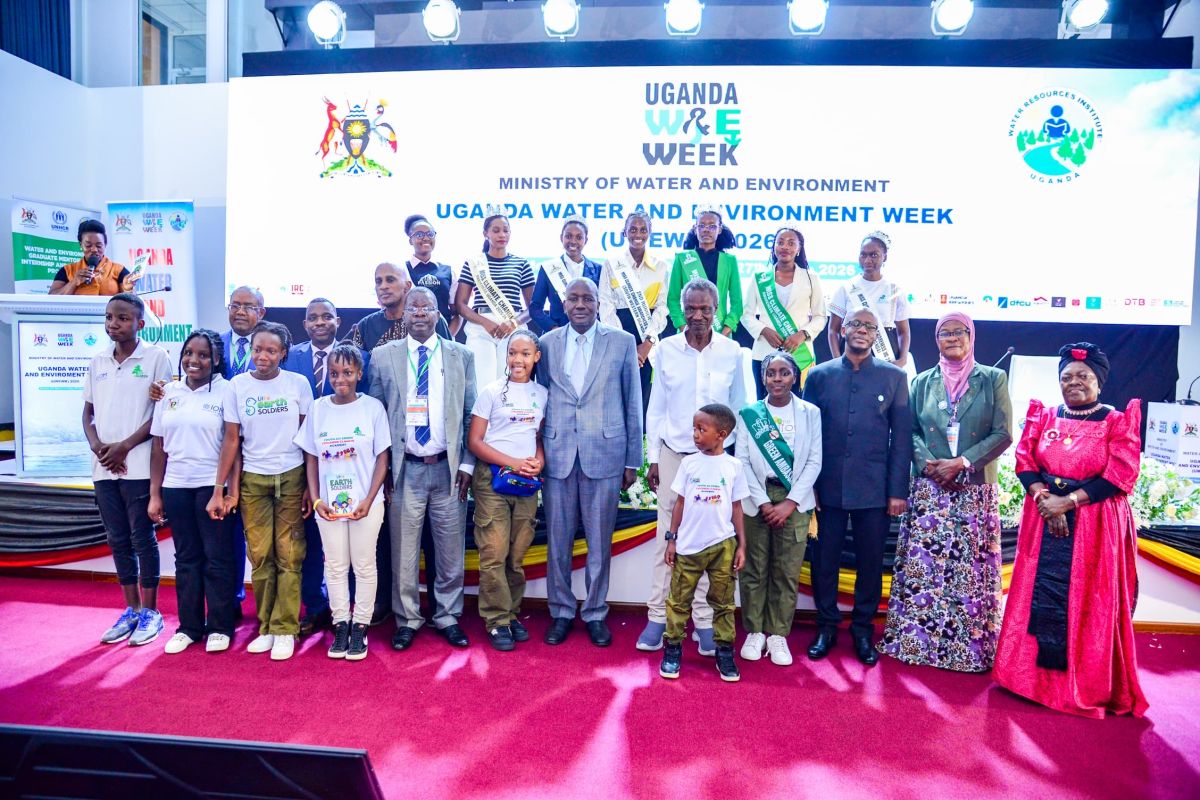
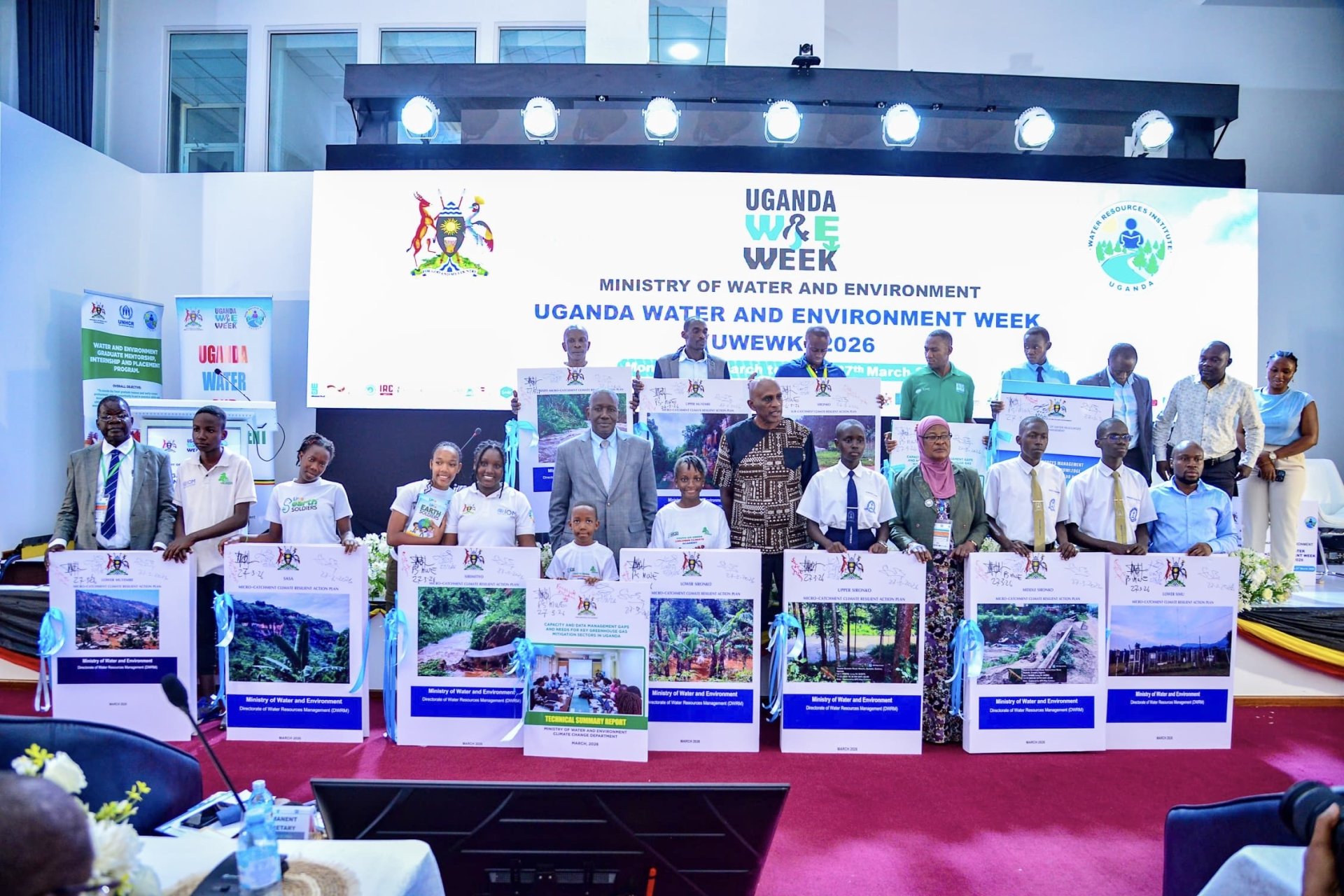
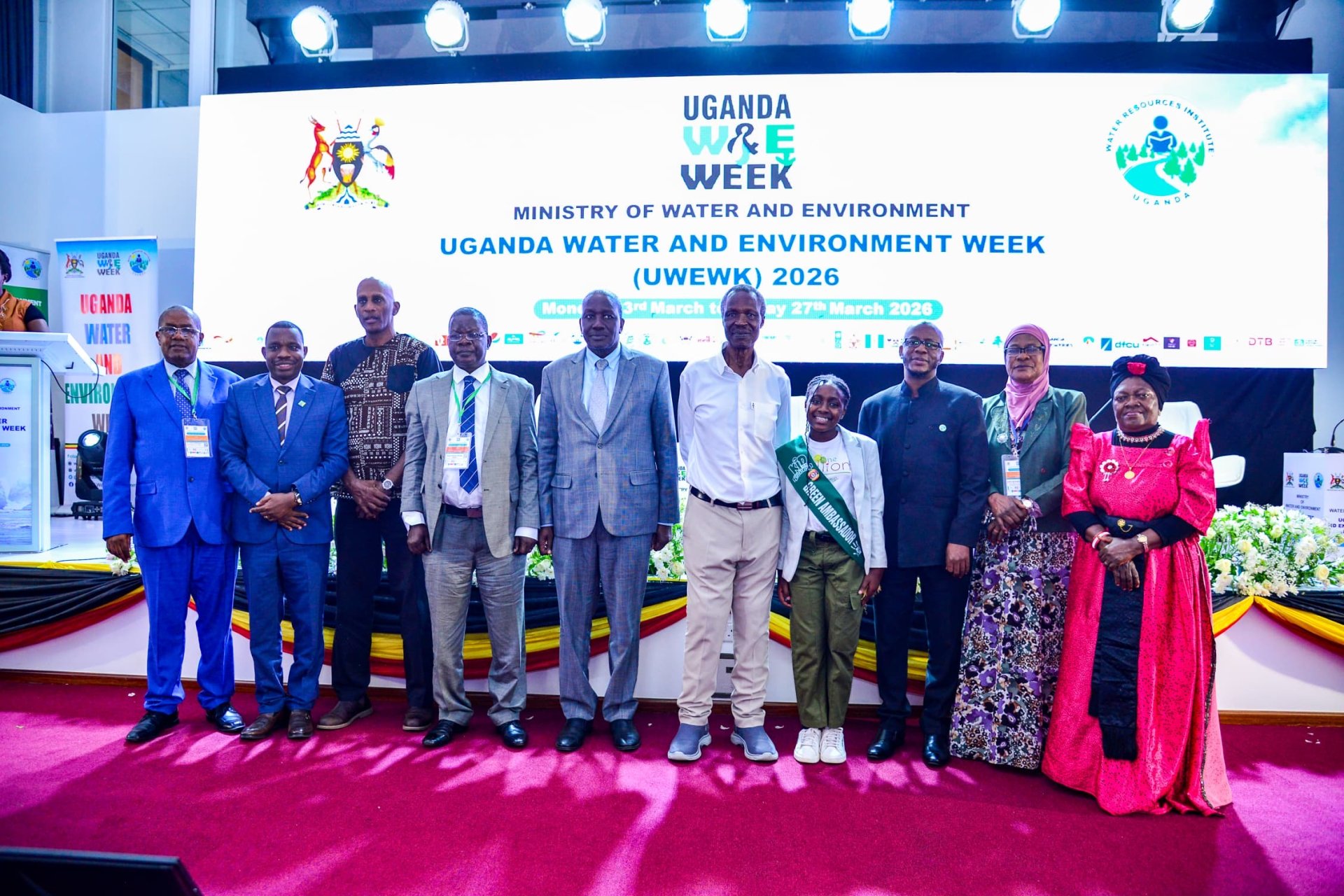
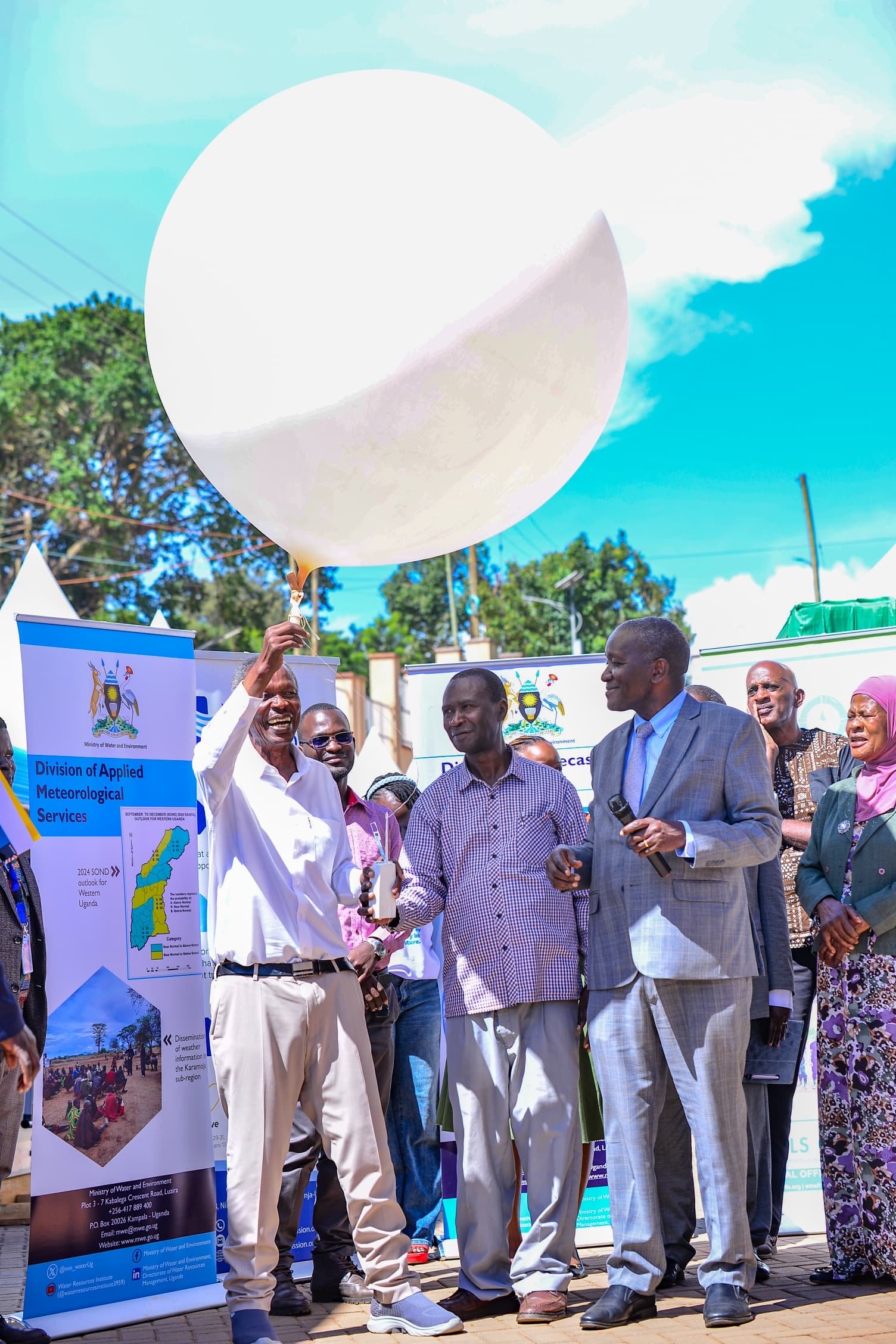
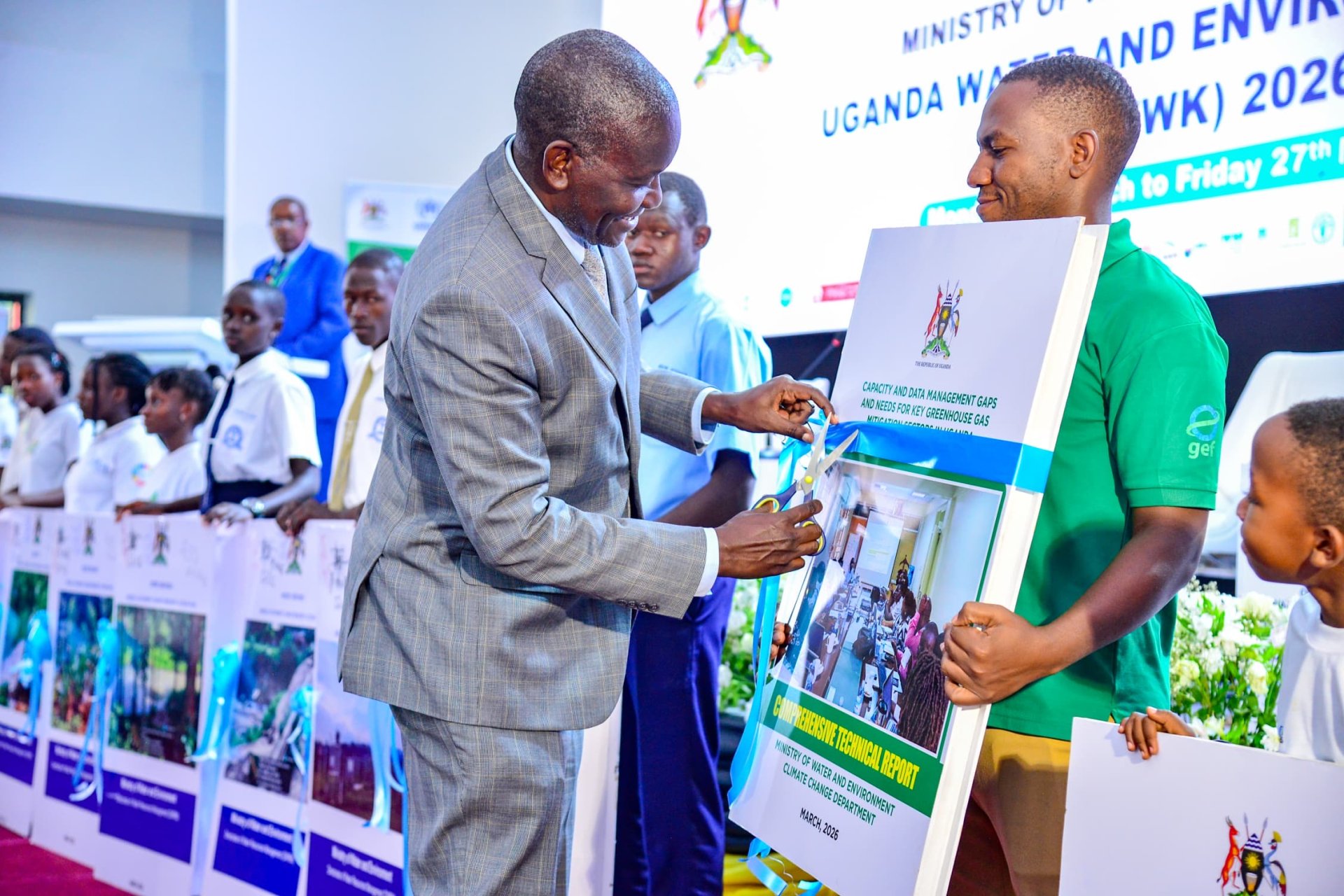
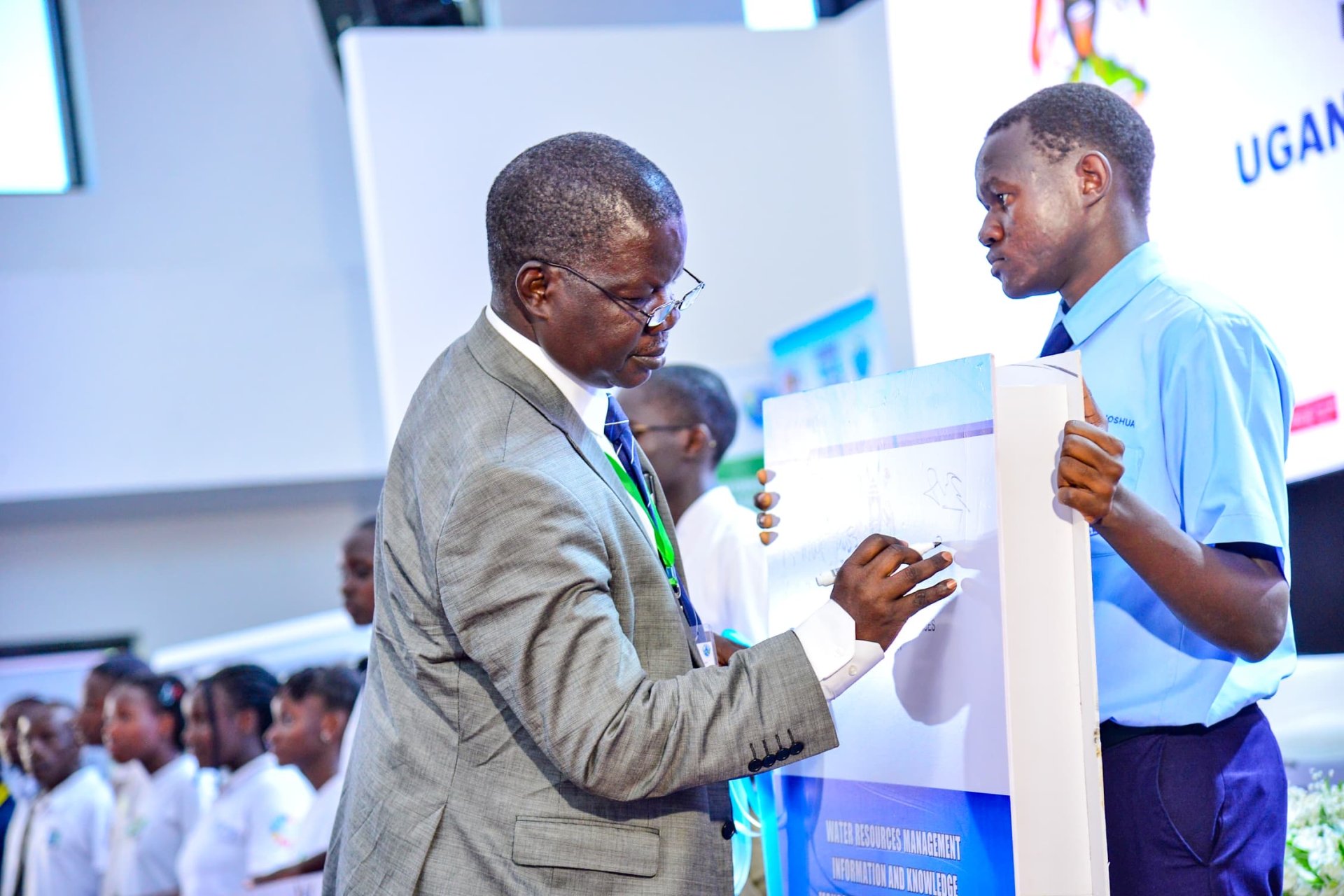
CLOSING CEREMONY OF THE UGANDA WATER AND ENVIRONMENT WEEK 2026
The Minister of Water and Environment; Hon. Sam Cheptoris represented the Guest of Honour - the M...
We are committed to ensuring sustainable management of Uganda's water and environment resources for the benefit of present and future generations. Our mission is to promote and ensure the rational and sustainable utilization of water and environment resources for socio-economic development.
Our Mission Statement:
To promote efficient and effective utilization of water and environment resources for a healthy, wealthy and climate resilient population
Vision Statement:
Transformed Ugandan Society with environment and natural resources sustainably managed.
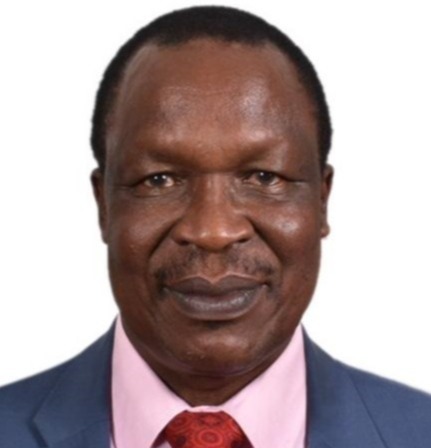
Minister of Water & Environment
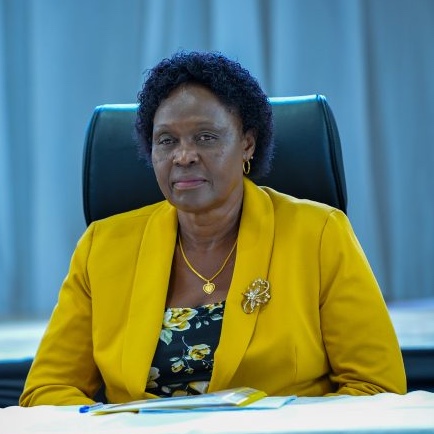
Minister of State for Environment
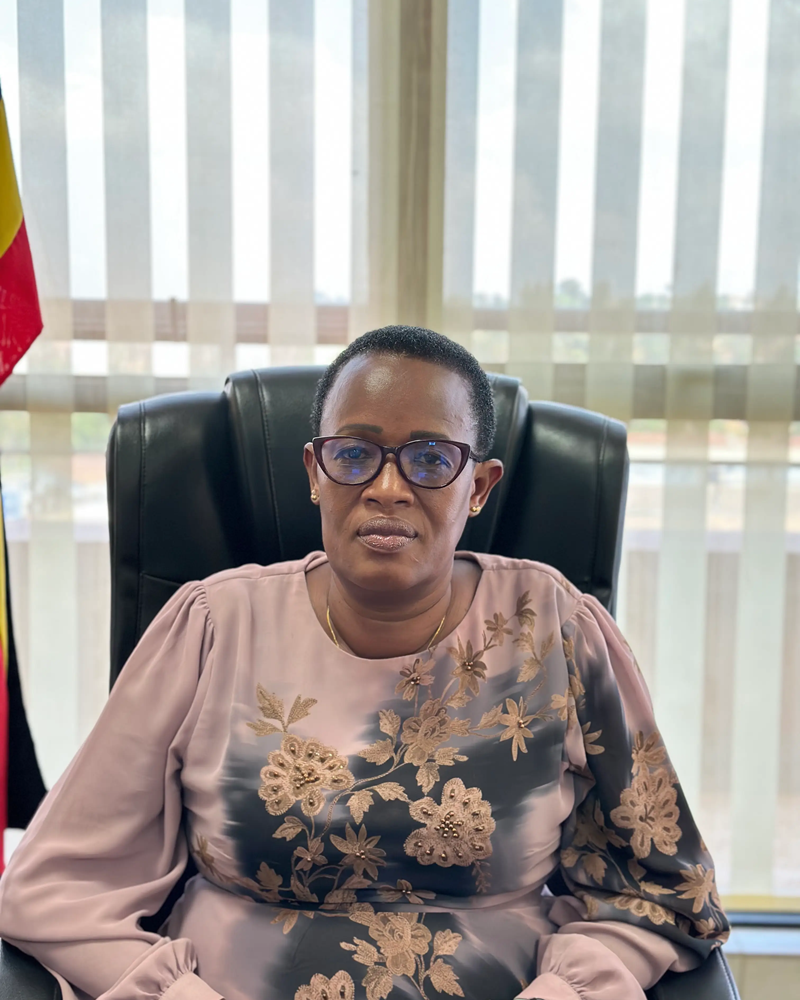
Minister of State for Water
Minister of Water & Environment
Minister of State for Environment
Minister of State for Water
The Minister of Water and Environment; Hon. Sam Cheptoris represented the Guest of Honour - the M...
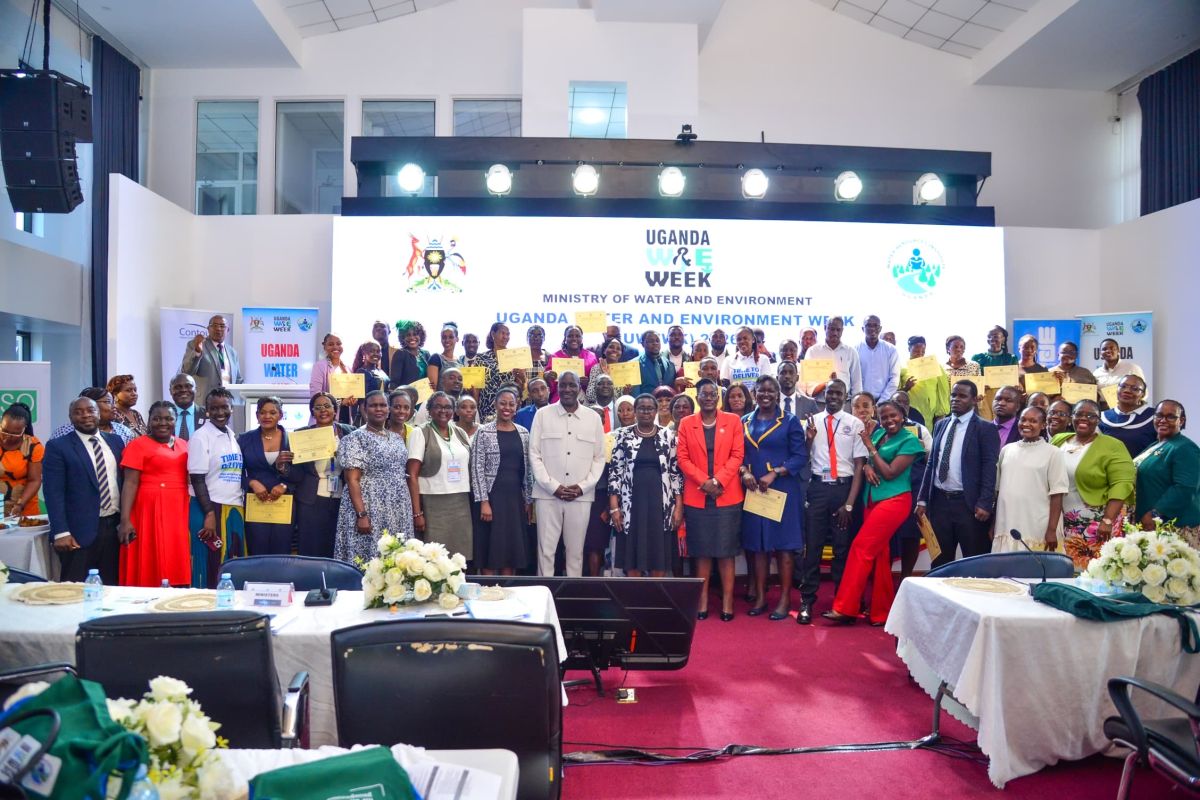
The Deputy Head of Public Service and Deputy Secretary to the Cabinet; Dr. Theopista Mary Wenene off...
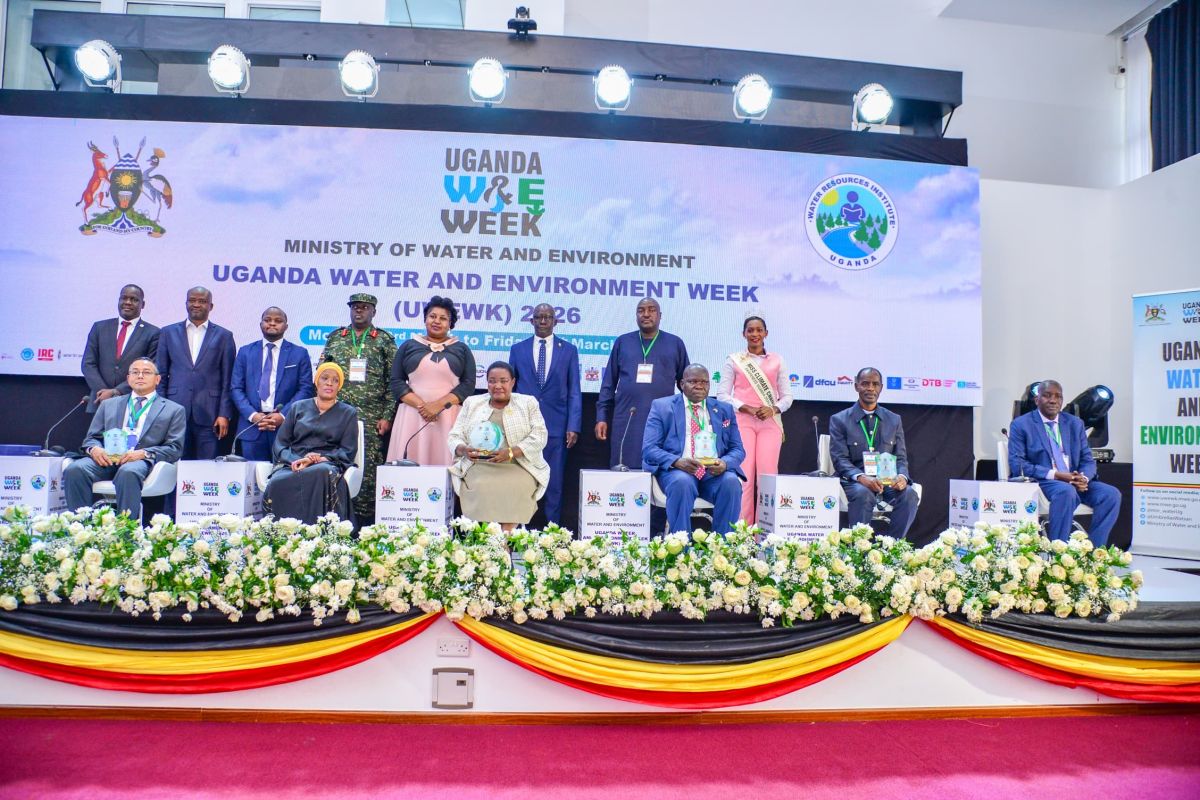
The Rt. Hon. Prime Minister of the Republic of Uganda; Hon. Robinah Nabbanja officially opened the 9...
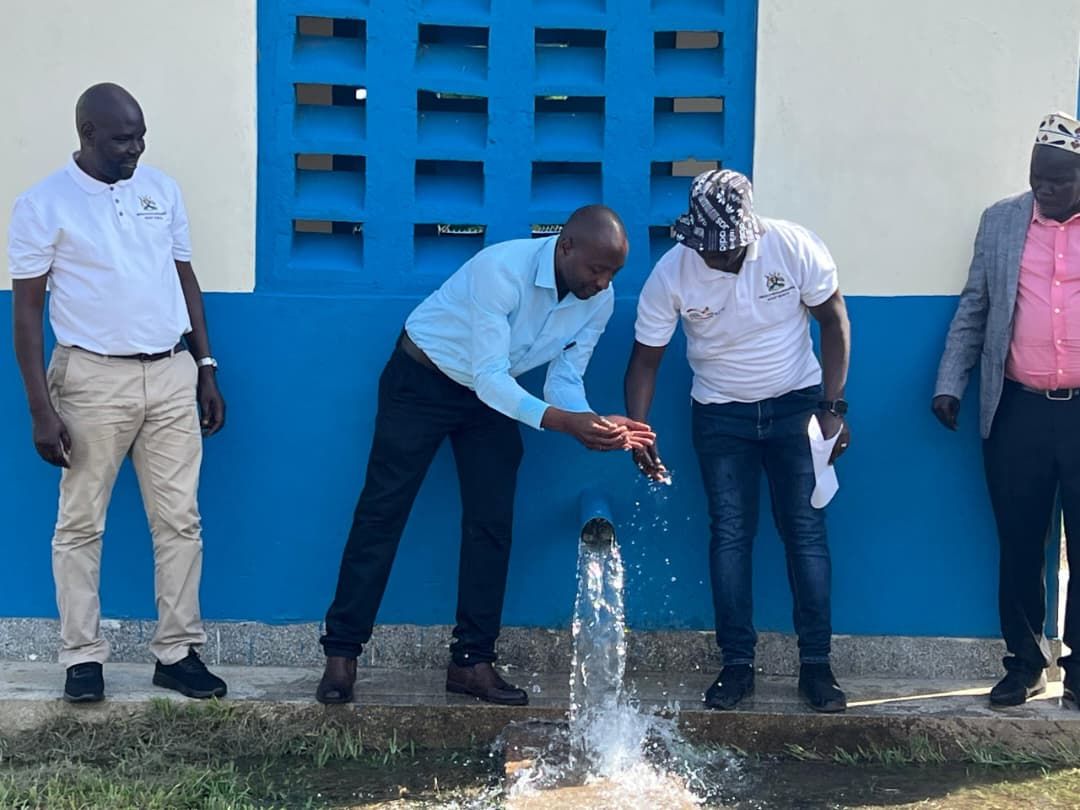
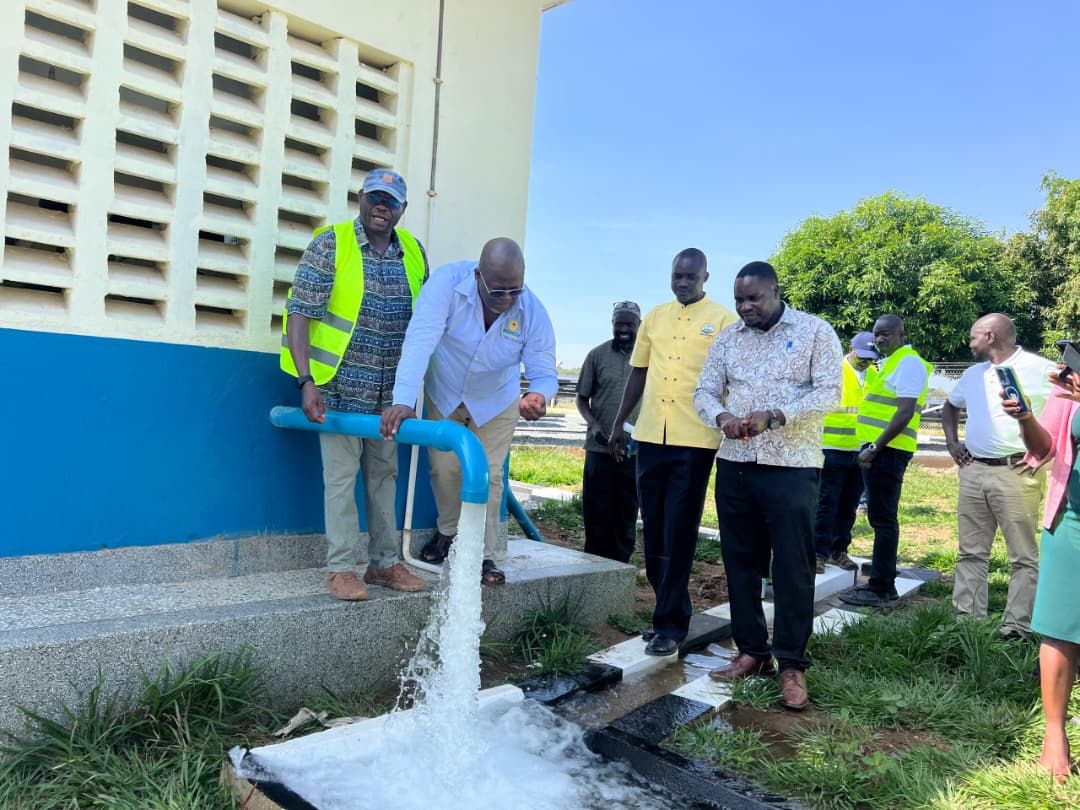
TECHNICAL HANDOVER OF RHINO CAMP PIPED WATER SUPPLY AND SANITATION FACILITIES IN MADI-OKOLLO D...

Uganda’s National Adaptation Plan (NAP) project is a strategic initiative to strengthen the country’s resilience to climate change through long-term, integrated planning. It’s backed by the Green Climate Fund (GCF) and implemented by the Ministry of Water and Environment, with technical support from UNEPKey Goals of the NAP ProjectReduce vulnerability to climate impacts like floods, droughts, and slow-onset eventsIntegrate climate adaptation into national and district-level development plansBuild capacity across ministries and local governments for climate-smart planningMobilize climate finance and align sectoral budgets with adaptation priorities Where It’s HappeningClimate risk assessments are being conducted in six districtsFive ministries are developing five-year expenditure frameworks for adaptationThe project promotes a whole-of-government and society approach, engaging civil society, academia, and local communitiesSector-Specific Focus: AgricultureUganda also developed a NAP for the Agricultural Sector (NAP-Ag) to:Boost climate-resilient crop, livestock, and fisheries productionPromote Climate Smart Agriculture (CSA)Ensure gender-responsive and evidence-based adaptation actions


The IFPA-CD project development objective is to to improve sustainable management of forests and protected areas and increase benefits to communities from forests in target landscapes that include Albertine Rift, the refugee hosting areas of West Nile Region and Lamwo District.The project has four components:Improved management of protected areas;Increased revenues and jobs from forests and wildlife protected areas;Improved landscape management in refugee-hosting areas; andProject management and monitoring.

The Water Supply and Sanitation Project III (WSSP III) is a significant initiative of the Government of Uganda (GoU), primarily through the Ministry of Water and Environment (MWE). Building on previous phases, this project receives substantial funding from the African Development Bank (AfDB) Group and aims to significantly expand access to water supply and sanitation services across targeted areas in Uganda.Core ObjectiveThe core objective of WSSP III is to increase access to sustainable water supply and sanitation services in small towns and rural growth centers, and to enhance the capacity for effective management of water resources. This contributes to improved public health, economic development, and overall well-being of the beneficiary communities.Funding and Implementation:Funding: The project is primarily funded by the African Development Bank (AfDB) Group, including significant contributions from the African Development Fund (ADF) and the Rural Water Supply and Sanitation Initiative (RWSSI) Trust Fund.Total Cost: The total project cost is approximately UA 50.13 million (equivalent to roughly US$70-75 million depending on exchange rates at the time of approval).Implementing Agencies: The Ministry of Water and Environment (MWE) is the executing agency, responsible for overall coordination and implementation. The National Water and Sewerage Corporation (NWSC) is typically involved in urban water supply components, while MWE handles rural water supply and sanitation directly or through local governments.Duration: Projects of this nature generally have an implementation period of around 5 years.Project Area and Beneficiaries:WSSP III targets various small towns and rural growth centers (RGCs) across Uganda, aiming to extend water and sanitation services to populations currently underserved. The specific towns and regions vary per phase, but the focus is generally on improving living conditions and economic opportunities in these areas.While a comprehensive list of all specific towns might be extensive, the project typically focuses on a cluster of towns in different regions.The project directly benefits:Residents of targeted small towns and RGCs: Gaining improved access to safe and reliable water and sanitation.Local businesses and institutions: Benefiting from better infrastructure and healthier communities.Women and children: Who often bear the primary burden of water collection and are most vulnerable to water-borne diseases.Key Components and Activities:WSSP III typically comprises several key components aimed at achieving its objectives:Urban and Rural Water Supply Infrastructure Development:Construction and rehabilitation of water supply systems: This includes new boreholes, bulk water treatment plants, pumping stations, storage reservoirs, and extensive distribution networks within the targeted towns and RGCs.Extension of water pipelines: Connecting more households, institutions, and public facilities to the piped water supply.Sanitation and Hygiene Promotion:Construction of public sanitation facilities: Building improved public latrines, especially in markets, schools, and health centers.Promotion of household sanitation: Encouraging and supporting communities in constructing improved household latrines.Hygiene promotion campaigns: Raising awareness about safe hygiene practices, handwashing, and water handling to prevent waterborne diseases.Water Resources Management and Environmental Safeguards:Strengthening water resource monitoring: Improving data collection and analysis on water quality and quantity.Water source protection: Implementing measures to safeguard critical water sources from pollution and degradation.Environmental and social management: Ensuring project activities comply with national and international environmental and social safeguard standards.Institutional Development and Capacity Building:Strengthening service providers: Providing technical assistance and training to local water authorities and private operators for sustainable operation and maintenance of WSS facilities.Community management: Empowering communities to participate in the planning, implementation, and management of water points and sanitation facilities.Sector policy and regulatory support: Supporting MWE in refining policies and regulations for the water and sanitation sector.
Learn More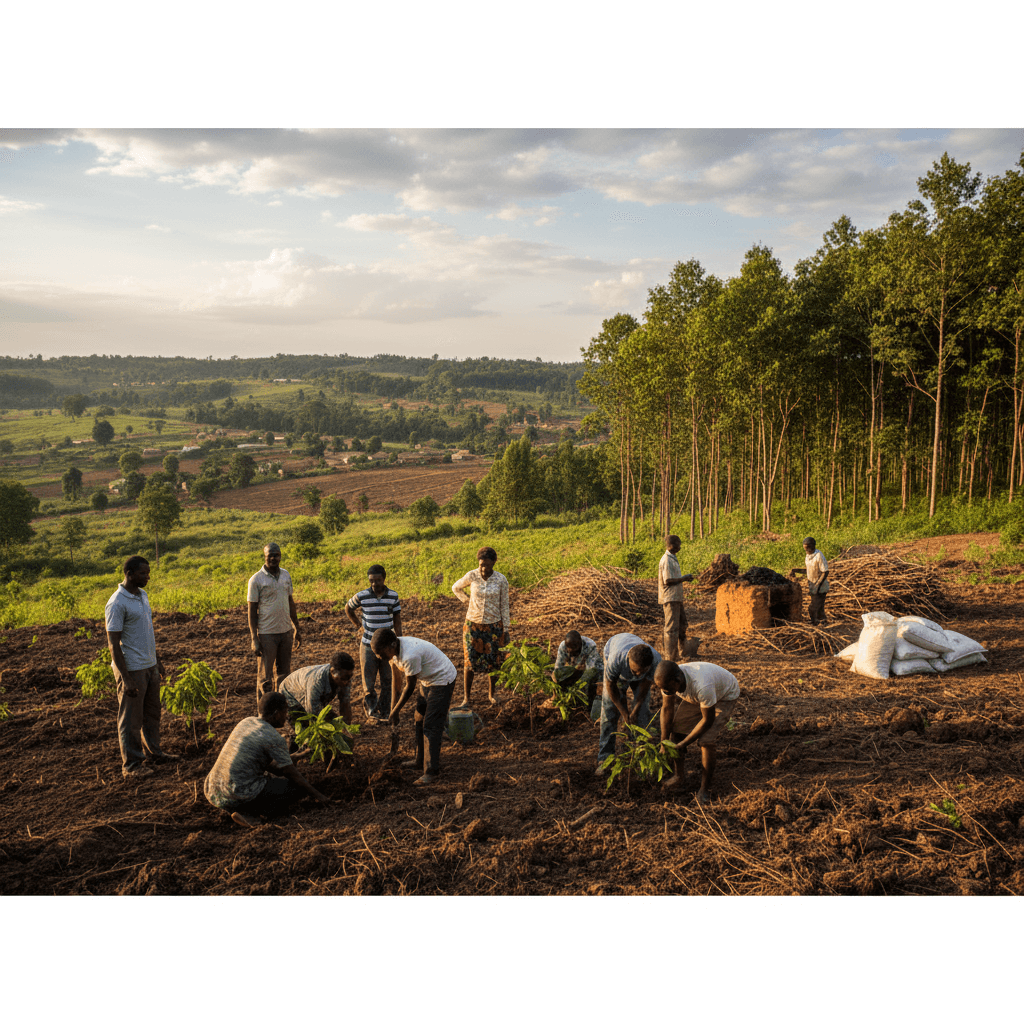
SPGS IIIThe Sawlog Production Grant Scheme Phase III (SPGS III) is a critical ongoing initiative spearheaded by the Ministry of Water and Environment, aimed at significantly expanding and promoting commercial tree planting across Uganda. Building upon the successes of its preceding phases, SPGS III is designed to meet the growing demand for timber and wood products, enhance sustainable forest management, mitigate climate change impacts, and provide long-term economic benefits to private individuals, communities, and large-scale investors involved in commercial forestry. This phase emphasizes sustainable practices, improved forest health, and equitable benefits within the forestry sector.Key Objectives of the Project:SPGS III is structured around several strategic objectives designed to foster a robust and sustainable commercial forestry sector in Uganda:Increased Commercial Sawlog Production: To significantly expand the area under commercial tree plantations by providing grants and technical support to private forest growers. This aims to ensure a sustainable supply of sawlogs and other wood products for both domestic and industrial use.Expected Activities: Providing financial grants for land preparation, seedling procurement, planting, and silvicultural operations; promoting improved tree species and planting techniques.Promotion of Sustainable Forest Management Practices: To encourage the adoption of environmentally sound and socially responsible forestry practices among grant beneficiaries. This includes promoting biodiversity conservation within plantations and ensuring sustainable harvesting methods.Expected Activities: Training and technical assistance on sustainable harvesting, fire management, pest and disease control; promoting agroforestry and restoration of degraded forest lands where appropriate.Climate Change Mitigation and Adaptation: To contribute to national and global efforts in combating climate change through carbon sequestration in new and existing plantations. The project also enhances the resilience of landscapes against climate-related shocks.Expected Activities: Monitoring carbon sequestration potential of established plantations; promoting climate-resilient tree species and diversified forestry systems.Livelihood Improvement and Economic Empowerment: To create employment opportunities, enhance household incomes, and stimulate rural economic growth through investments in commercial forestry. The project targets various scales of growers, including smallholder farmers and larger commercial entities.Expected Activities: Facilitating market linkages for timber and wood products; providing business development support to forest growers; promoting value addition within the forestry value chain.Strengthened Institutional Capacity and Regulatory Framework: To enhance the capacity of relevant institutions, including the National Forestry Authority and district local governments, in supporting and regulating the commercial forestry sector. This ensures efficient project implementation and sustainable sector growth.Expected Activities: Providing training and resources for forest extension workers; strengthening monitoring and evaluation systems for forest plantations; reviewing and developing supportive forestry policies.Project Scope Description:The Sawlog Production Grant Scheme Phase III involves the provision of financial grants and technical assistance to eligible private landowners, smallholder farmers, communities, and commercial entities for establishing and maintaining commercial tree plantations. The project encompasses a broad geographical scope across various regions of Uganda suitable for commercial forestry. Key activities include:Grant Disbursement: Providing phased financial grants to growers for specified forestry activities, ensuring adherence to environmental and social safeguards.Technical Support: Offering expert advice and training on nursery management, site preparation, planting techniques, species selection, silviculture, pest and disease management, and sustainable harvesting.Monitoring and Evaluation: Regular monitoring of plantation establishment and growth to ensure compliance with scheme guidelines and to track environmental and socio-economic impacts.Research and Development: Supporting adaptive research on tree genetics, silvicultural practices, and wood processing technologies to enhance productivity and value.SPGS III represents a significant commitment by the Government of Uganda to transform the forestry sector into a key driver of economic development and environmental sustainability.
Learn More Uganda’s National Adaptation Plan (NAP) project is a strategic initiative to strengthen the country’s resilience to climate change through long-term, integrated planning. It’s backed by the Green Climate Fund (GCF) and implemented by the Ministry of Water and Environment, with technical support from UNEPKey Goals of the NAP ProjectReduce vulnerability to climate impacts like floods, droughts, and slow-onset eventsIntegrate climate adaptation into national and district-level development plansBuild capacity across ministries and local governments for climate-smart planningMobilize climate finance and align sectoral budgets with adaptation priorities Where It’s HappeningClimate risk assessments are being conducted in six districtsFive ministries are developing five-year expenditure frameworks for adaptationThe project promotes a whole-of-government and society approach, engaging civil society, academia, and local communitiesSector-Specific Focus: AgricultureUganda also developed a NAP for the Agricultural Sector (NAP-Ag) to:Boost climate-resilient crop, livestock, and fisheries productionPromote Climate Smart Agriculture (CSA)Ensure gender-responsive and evidence-based adaptation actions
The IFPA-CD project development objective is to to improve sustainable managemen...
The Water Supply and Sanitation Project III (WSSP III) is a significant initiati...
SPGS IIIThe Sawlog Production Grant Scheme Phase III (SPGS III) is a critical on...
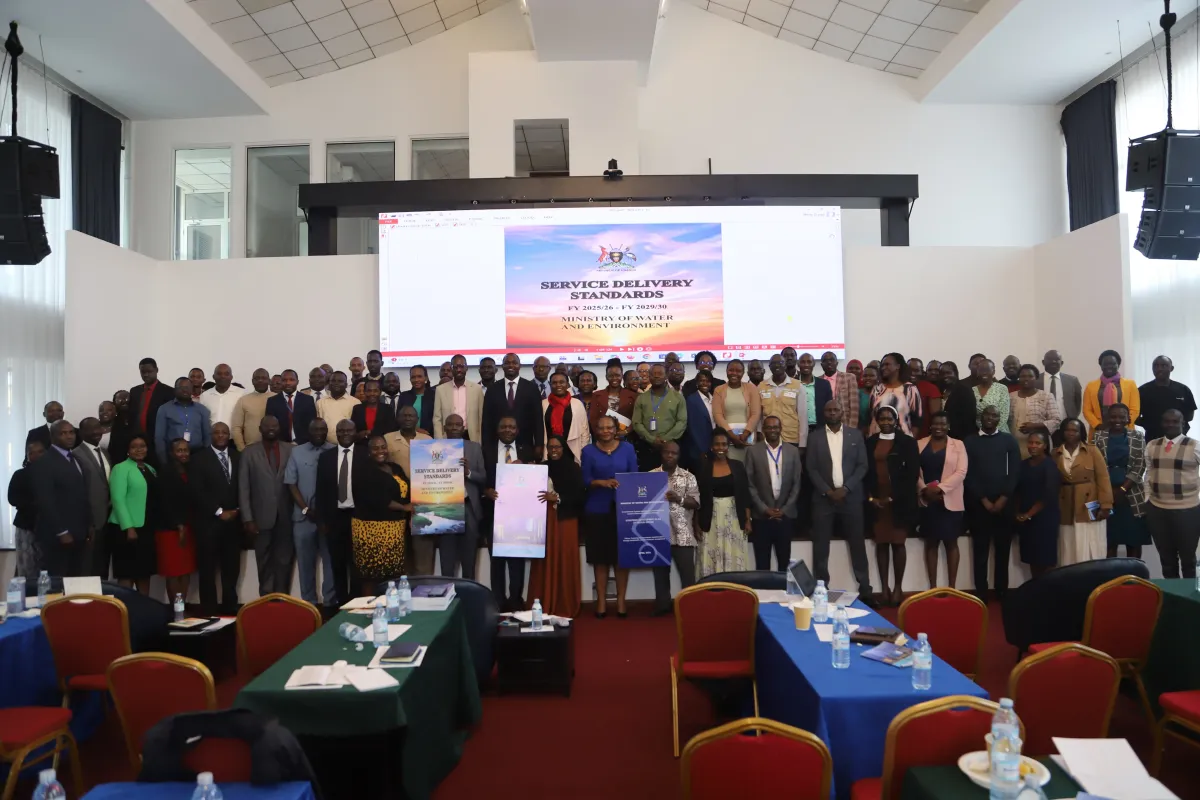
The Ministry of Water and Environment is committed to avoiding, minimizing, and mitigating adverse environmental and social impacts associated with its projects, as well as adopting a gender-sensitive and gender-equitable approach for all its projects.
View Standards