
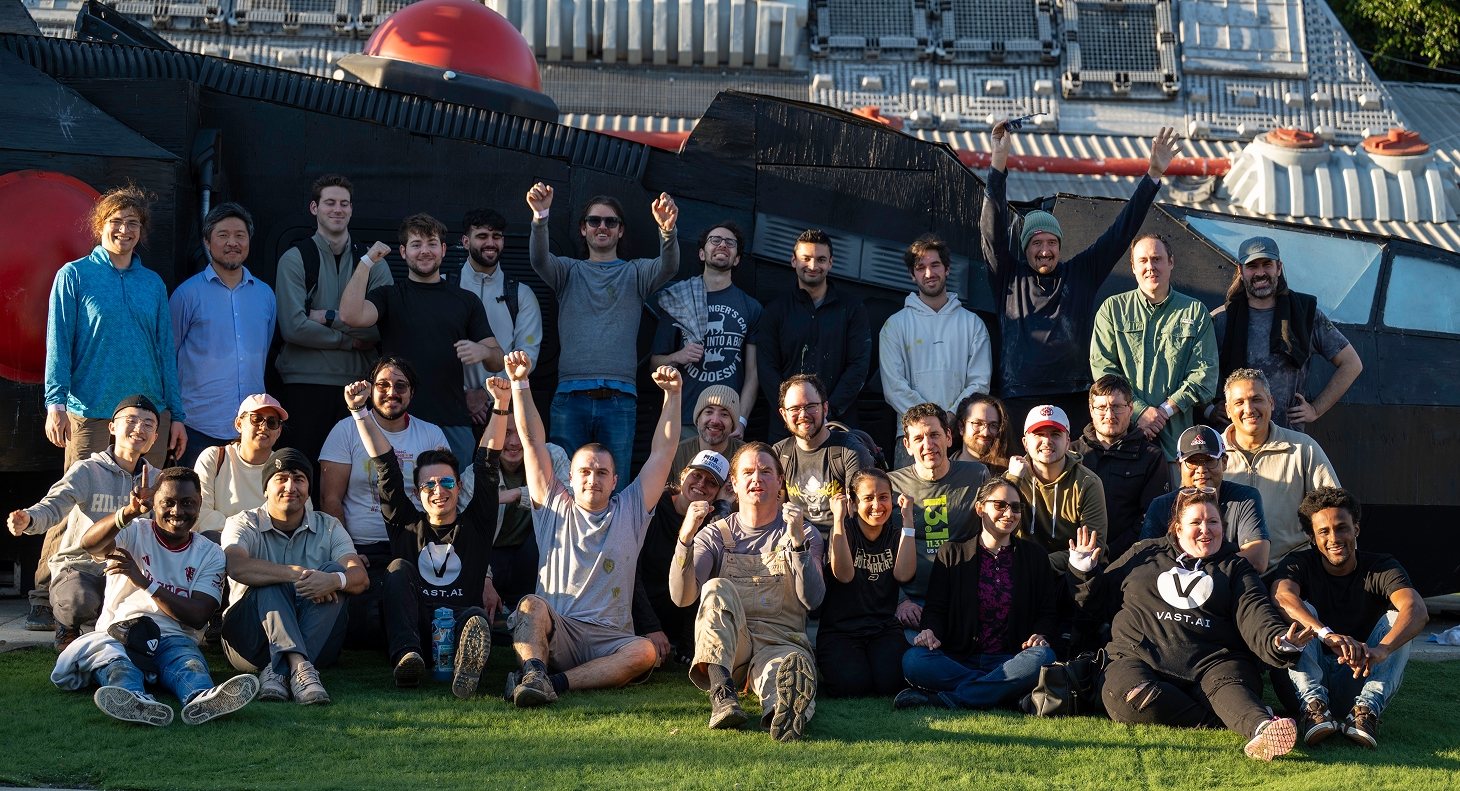
We Built This So No One Owns the Future Alone
Vast.ai is a GPU compute marketplace founded on one idea: whoever controls compute controls AI. We exist to make sure that power stays distributed.
The Idea That Started Everything
In 2010, Jake Cannell — ML engineer, GPU programmer, and compulsive theorist — began publishing essays on LessWrong arguing an unconventional thesis: intelligence is fundamentally a function of compute. Not clever algorithms. Not hand-engineered modules. Compute. His 2015 essay The Brain as a Universal Learning Machine laid out the complete framework — predicting AlphaGo two years before it happened and forecasting human-level vision and language via scaled deep learning within a window that would prove accurate.
Christian Horne — a fellow thinker and builder who also published on LessWrong — shared Jake's view that the compute scaling thesis had profound implications, not just for AI development, but for who would control it. Both saw the same thing: if whoever controlled the most compute controlled the most powerful AI, then the future of artificial general intelligence would be determined by who had the deepest pockets, not who had the best ideas.
On June 28, 2016, they incorporated Vast.ai. The founding thesis fit on a napkin: the world was full of underutilized GPU hardware — in gaming rigs, mining farms, research labs, and small data centers — and the people who needed that compute most couldn't afford the hyperscaler rates. But the motivation was never purely commercial. A world where compute flows freely to thousands of independent researchers is a fundamentally different world than one where it is locked behind the pricing walls of a few incumbents.
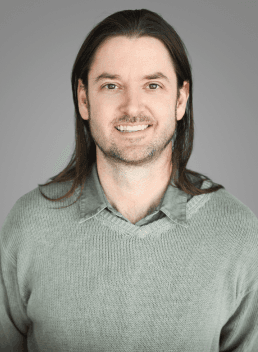
Jake Cannell
CEO & Co-founder
“A world where compute flows freely to thousands of independent researchers is a fundamentally different world than one where it is locked behind the pricing walls of AWS, GCP, and Azure.”
Timeline of a Thesis
What Jake predicted. What the team built. How the field caught up.
The scaling thesis takes shape
Jake Cannell publishes a series of essays on LessWrong arguing that intelligence is fundamentally a function of compute — not clever algorithms or hand-engineered modules. Christian Horne (lahwran), a fellow LessWrong contributor, shares the same conviction. The two become collaborators.
AlexNet validates the hypothesis
AlexNet breaks ImageNet benchmarks by scaling a known neural network architecture on GPUs — exactly as the scaling hypothesis predicted. The deep learning revolution begins.
The Brain as a Universal Learning Machine
Jake publishes his landmark essay arguing that the human brain is a single, general-purpose learning algorithm — not a zoo of specialized circuits. He predicts AlphaGo two years before it happens and forecasts human-level vision (~2024±3) and language via scaled deep learning.
Vast.ai incorporated
Jake Cannell and Christian Horne incorporate Vast.ai as a Delaware C Corporation. The founding thesis: the world is full of underutilized GPU hardware, and the people who need that compute most can’t afford hyperscaler rates. The market needs a two-sided platform.
Building in the dark
For two years, Jake and Christian build the marketplace platform end-to-end: host onboarding, search interface, pricing engine, Docker-based instance management — engineered to work across heterogeneous hardware and wildly different network conditions.
Launch day
Vast.ai launches — not with a press release, but the way honest products launch: to friends, family, and a post on Hacker News. GPU compute 3–5x cheaper than AWS, available in seconds, no enterprise contract required.
First hosts, first traction
Early independent hosts join the platform. The marketplace concept is validated — developers get cheaper GPUs, hosts monetize idle hardware. Growth begins compounding rapidly.
The predictions land
CLIP and GPT-3 arrive at roughly the vision and language capability levels Jake predicted in 2015. The scaling thesis — once unconventional — is validated at industry scale.
Travis Cannell joins as COO
Rapid growth demands operational infrastructure to match. Travis Cannell joins to bring the systems, process, and leadership discipline required to scale a startup into an institution.
Enterprise GPU expansion
Enterprise customers discover Vast.ai. The platform launches Secure Cloud — certified data center partners in professionally managed facilities — alongside serverless inference and dedicated cluster products.
310% growth year
Vast.ai’s biggest year. The platform scales to a new tier as demand for GPU compute surges across the AI industry.
Los Angeles headquarters opens
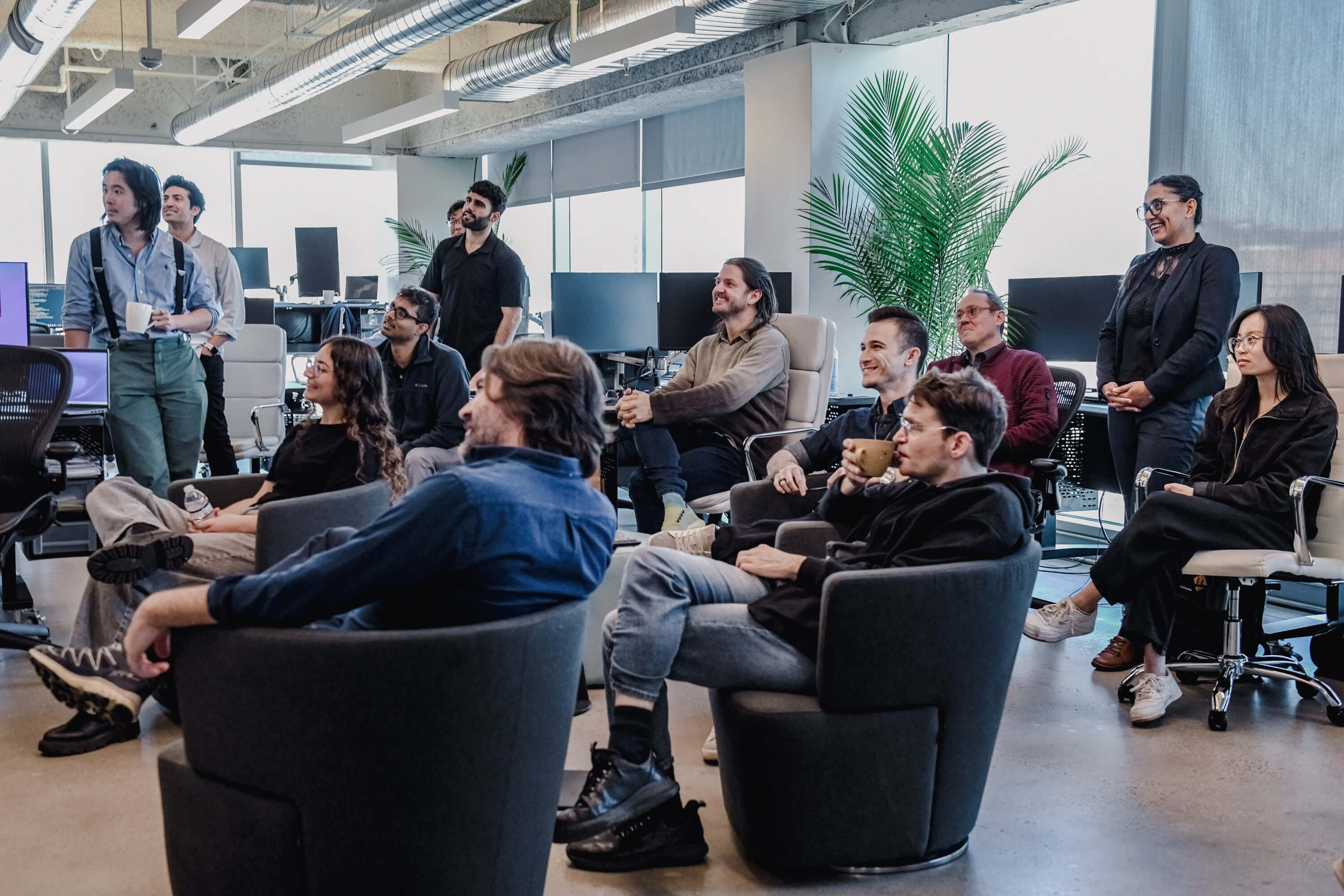
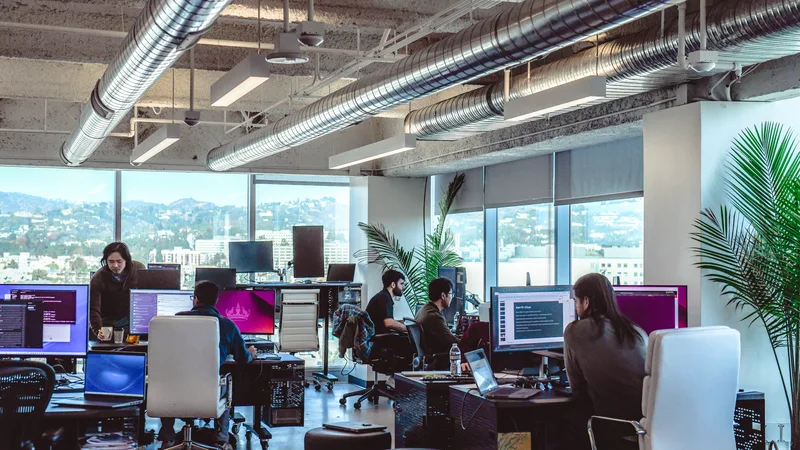
Vast.ai opens its first physical office in Los Angeles — formalizing what had been a fully distributed team since inception.
40+ employees, two offices, SOC 2 certified
San Francisco office opens, establishing a second hub in the heart of the AI ecosystem. Vast.ai achieves SOC 2 Type I certification. The infrastructure that makes AI open is now an institution.
Why It Matters
Jake's model of AI risk is not the Hollywood version. He doesn't lose sleep over a rogue superintelligence suddenly seizing control. His concern is subtler and, in many ways, more tractable: that the empirical process by which alignment gets solved — many labs, many approaches, competitive pressure producing diversity — breaks down because compute becomes too expensive or too centralized for anyone outside a handful of incumbents to participate.
The cure for that risk is access. When GPUs became accessible to graduate students and small labs — not just Google and Bell Labs — the field exploded. The researchers who will find the alignment approaches that actually work, the architectures that generalize correctly, the training paradigms that produce safe and capable systems — many of them don't work at the big labs. They work at universities, at startups, at independent research organizations, at companies you haven't heard of yet. They need compute. Vast.ai exists to make sure they can get it.
Our Vision
To make life substrate-independent through Vast Artificial Intelligence.
Our Mission
To organize, optimize, and orient the world's computation.
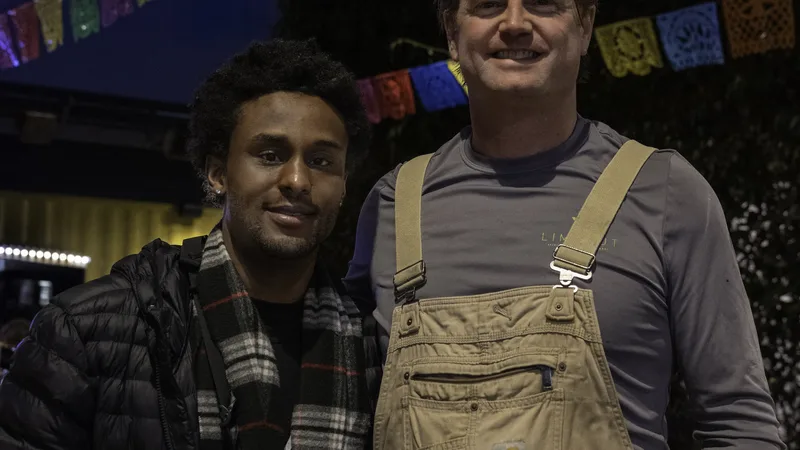
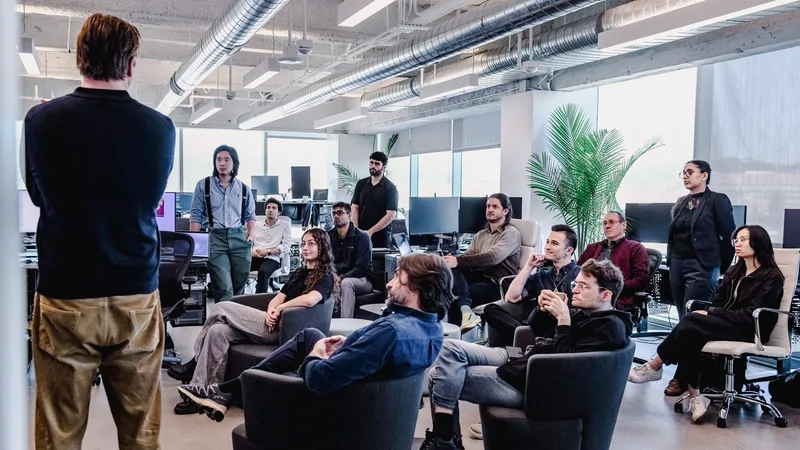

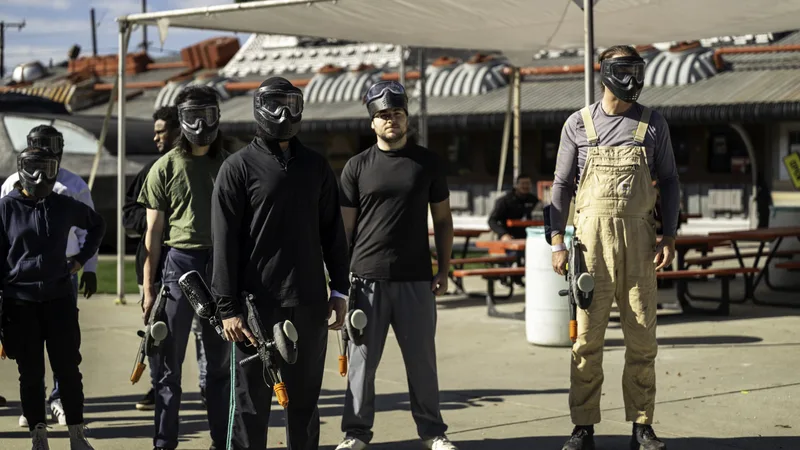
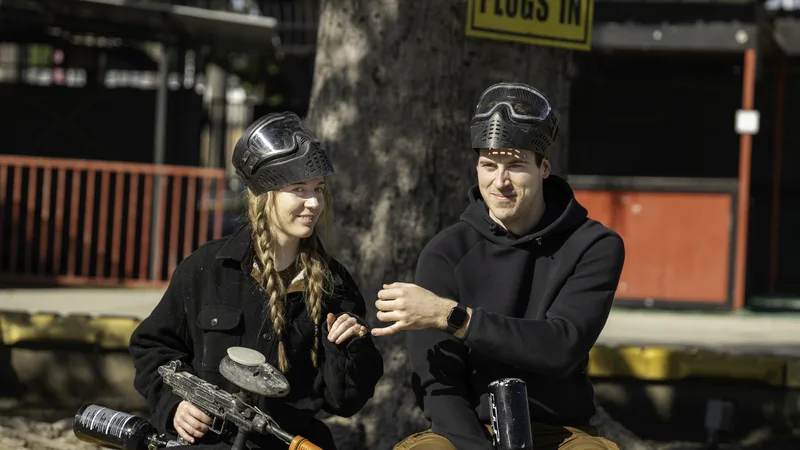
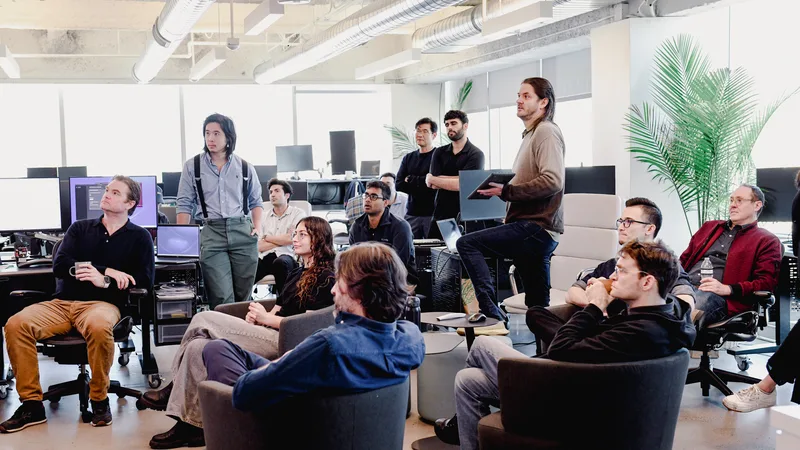
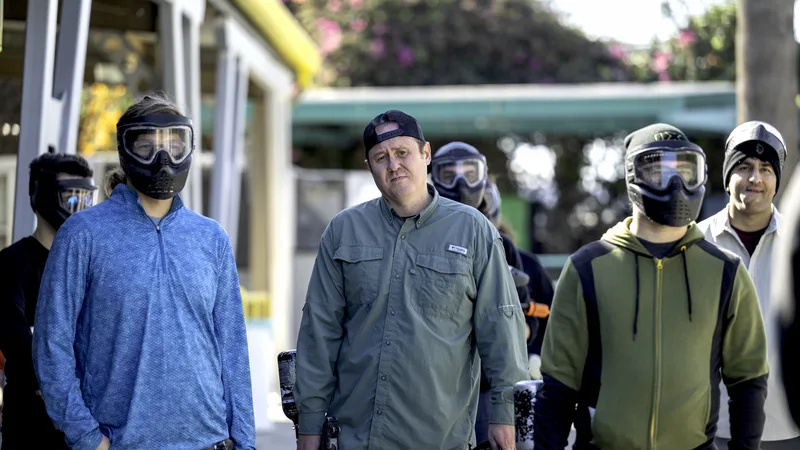
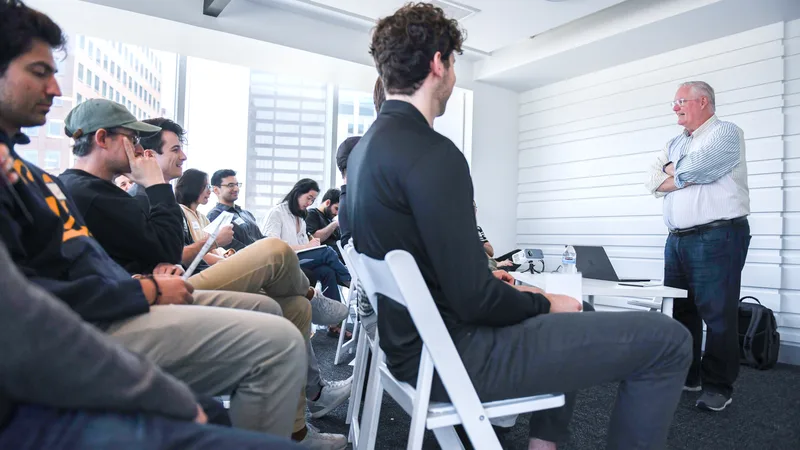
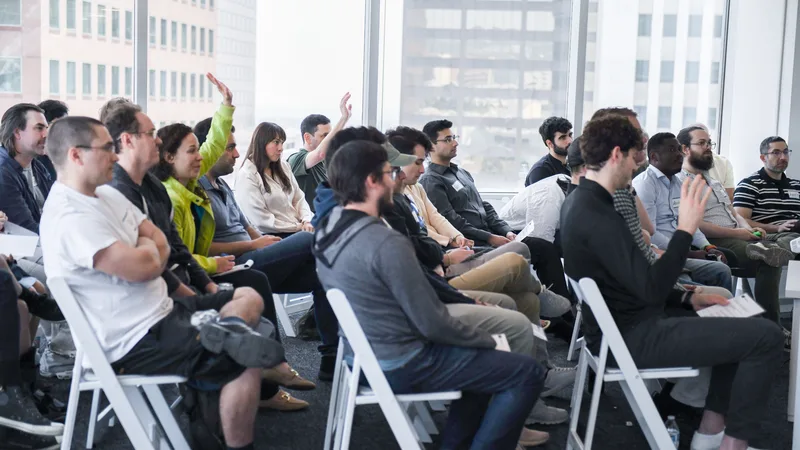
The Team
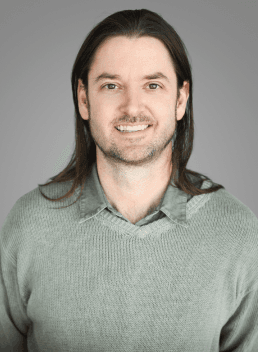
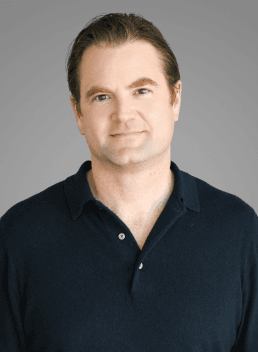

Scott Darden
Director of Engineering

Aida Badve

Allison Corley
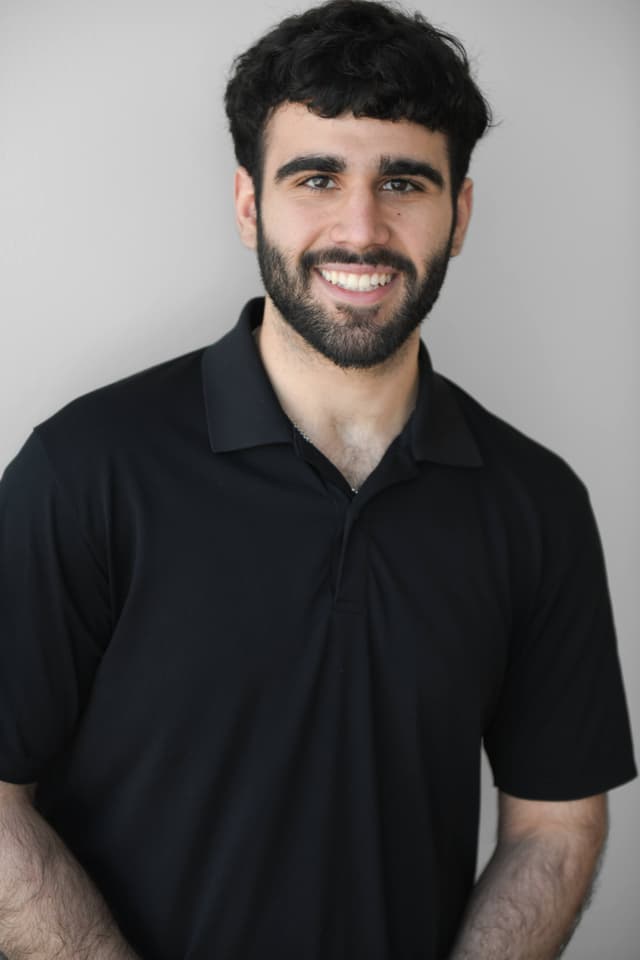
Anthony Benjamin
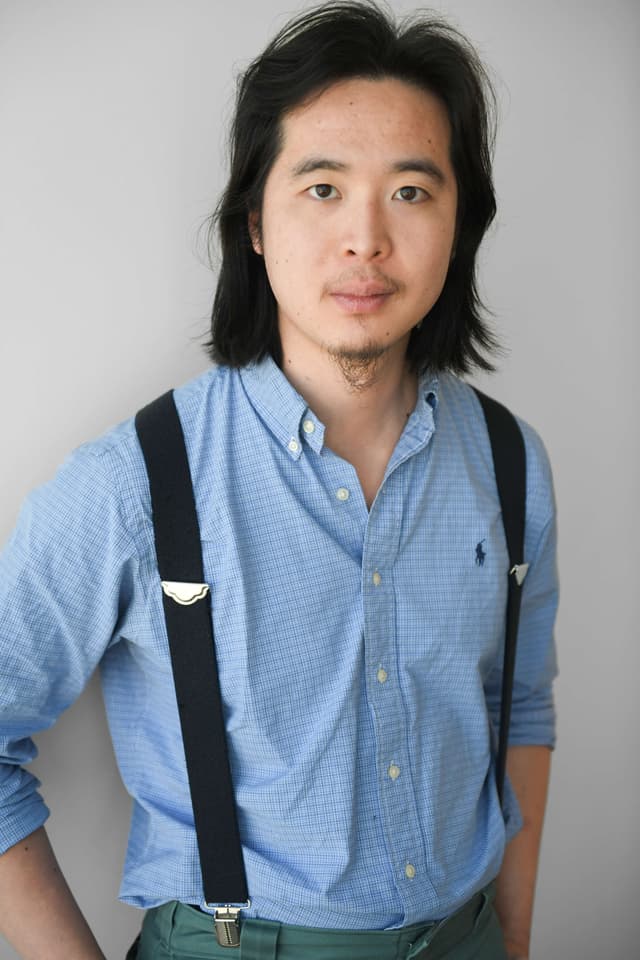
Edgar Lin
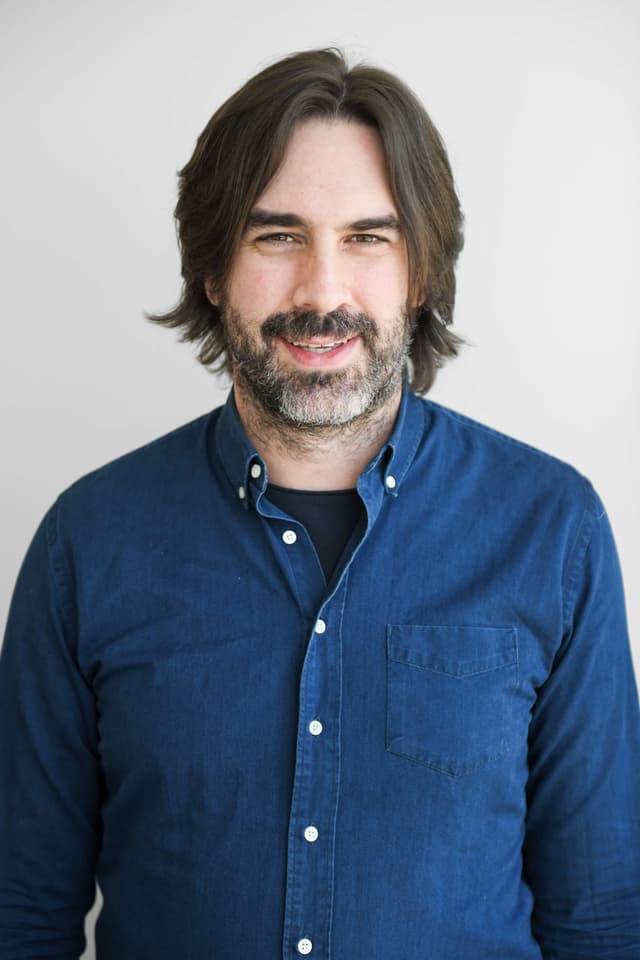
Guthrie Lonergan
Senior Product Manager
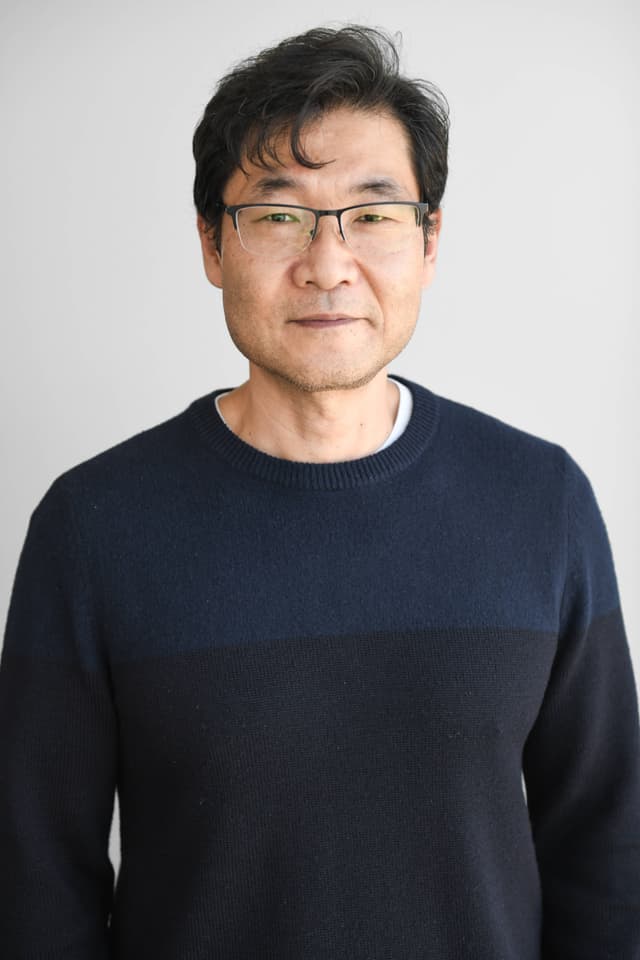
JC Park
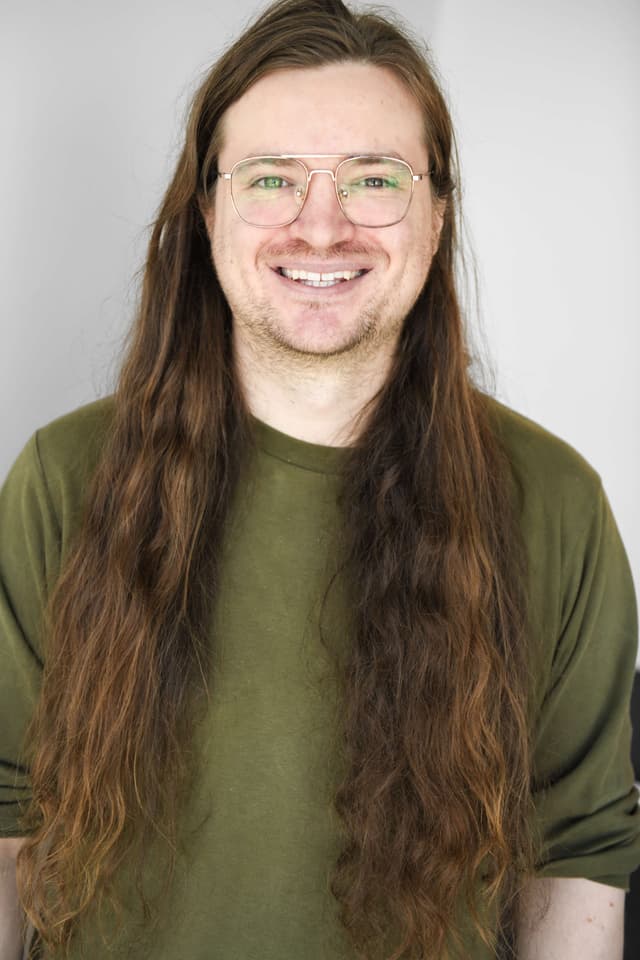
Liam Weldon

Lindsey Longeretta
Talent Acquisition Lead

Marco Hernandez
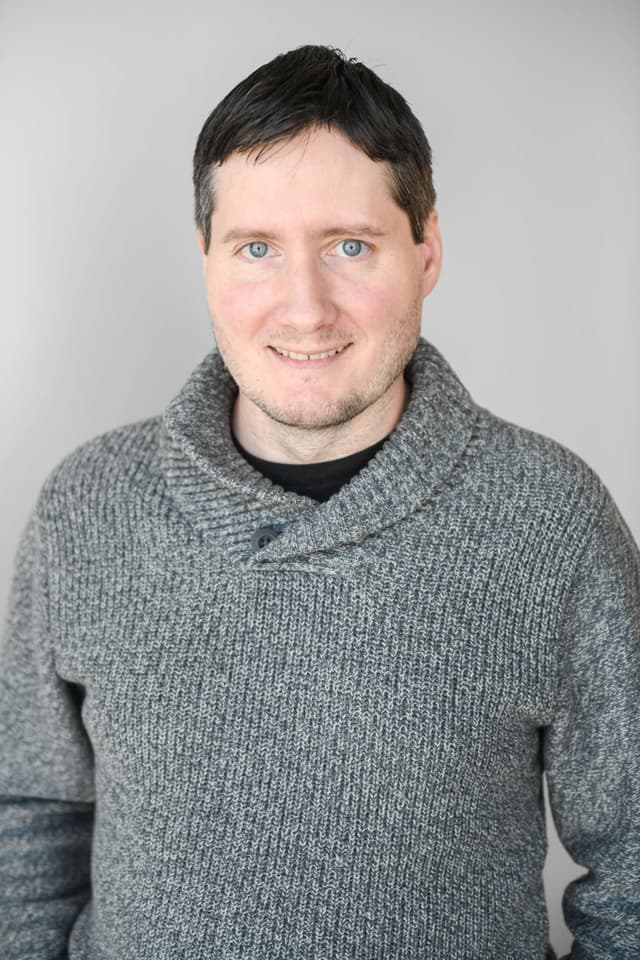
Ryan Barry
Sammy Javid
Dangerous workloads. Unstoppable rewards. Feel the pull of our mission? Join the Team
What We Stand For
Elegance
A joy in creating and refining, using cool new tools and cutting-edge technology in masterfully arriving at efficient and effective computation.
Team
Winning together through empowering each other in having fun creating, learning, and growing. Supporting each other in being our best.
Pioneering
Having the courage to play full out, taking pride in accomplishing our Mission and performing our work as it defines and brings into reality the potential of AI.
Alignment
Creating alignment through clear communication and transparent process. We enjoy autonomy and own results in fulfilling our shared Vision.
Integrity
Each person brings a high level of rigor, precision, and professionalism, embracing being stakeholders who own the impact of their work.
The Infrastructure That Keeps AI Open
Vast.ai is hiring engineers, product managers, and operations leads across LA and SF.
Find Us
Los Angeles
California
Headquarters — our home base since 2024.
1100 Glendon Ave, STE 1840, Los Angeles, CA 90024 →San Francisco
California
Engineering hub in the heart of the AI ecosystem.
100 1st Street, STE 2250, San Francisco, CA 94105 →What Are We Up To
Running Qwen 3.5 Medium Models on Vast.ai
Deploy Qwen 3.5 medium models on Vast.ai using SGLang, including setup, launch commands, and API usage.
Liquid AI's LFM2 Just Dropped — Here's How to Run It on Vast.ai
Liquid AI released LFM2-24B-A2B, a sparse 24B MoE model with 2.3B active parameters per token.
Vast.ai Named Among Fastest Growing Vendors by Ramp and Brex
Two of the largest corporate spend platforms independently ranked Vast.ai among their fastest-growing vendors — based on real transaction data from 85,000+ businesses.