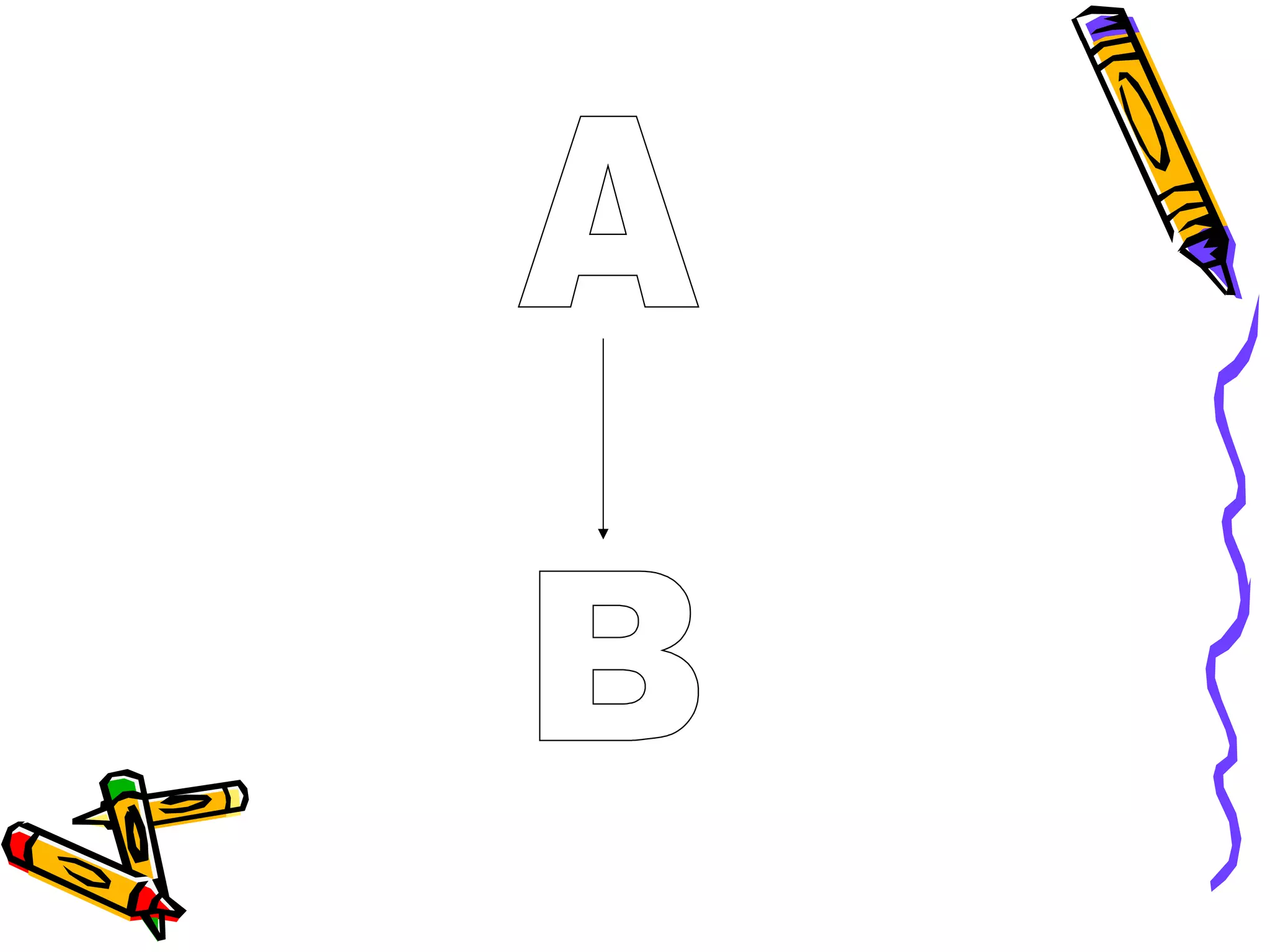
TOPIC- InheritanceTOPIC- Inheritance Inheritance process of creating aInheritance process of creating a new class from an existing class.new class from an existing class. • The existing class that is beingThe existing class that is being inherited is called the base classinherited is called the base class and new class that inherits theand new class that inherits the functionality is called derivedfunctionality is called derived class.class.
SINGLE INHERITANCE :- • The derived class inherits some or all of the traits of the base class .A class can also inherit properties from more than one class or from more than one level .A derived class can only one base case is called singel inheritance .
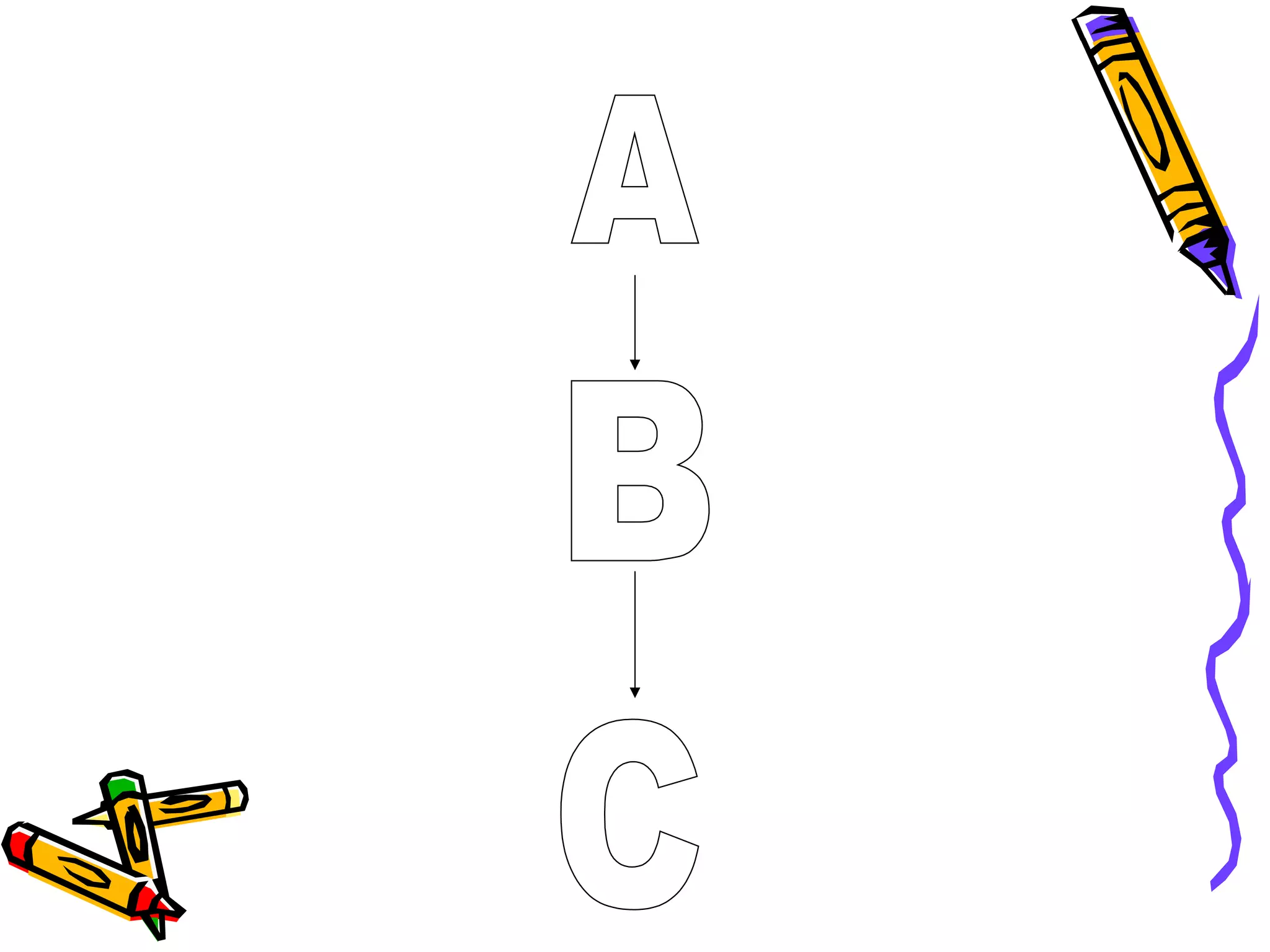
MULTI LEVEL INHERITANCE :- • In this type of inheritance, there are number of levels and it is used in that cases where we want to use all properties in number of levels according to the requirement . It is not unusual that a class is derived from another derived class .
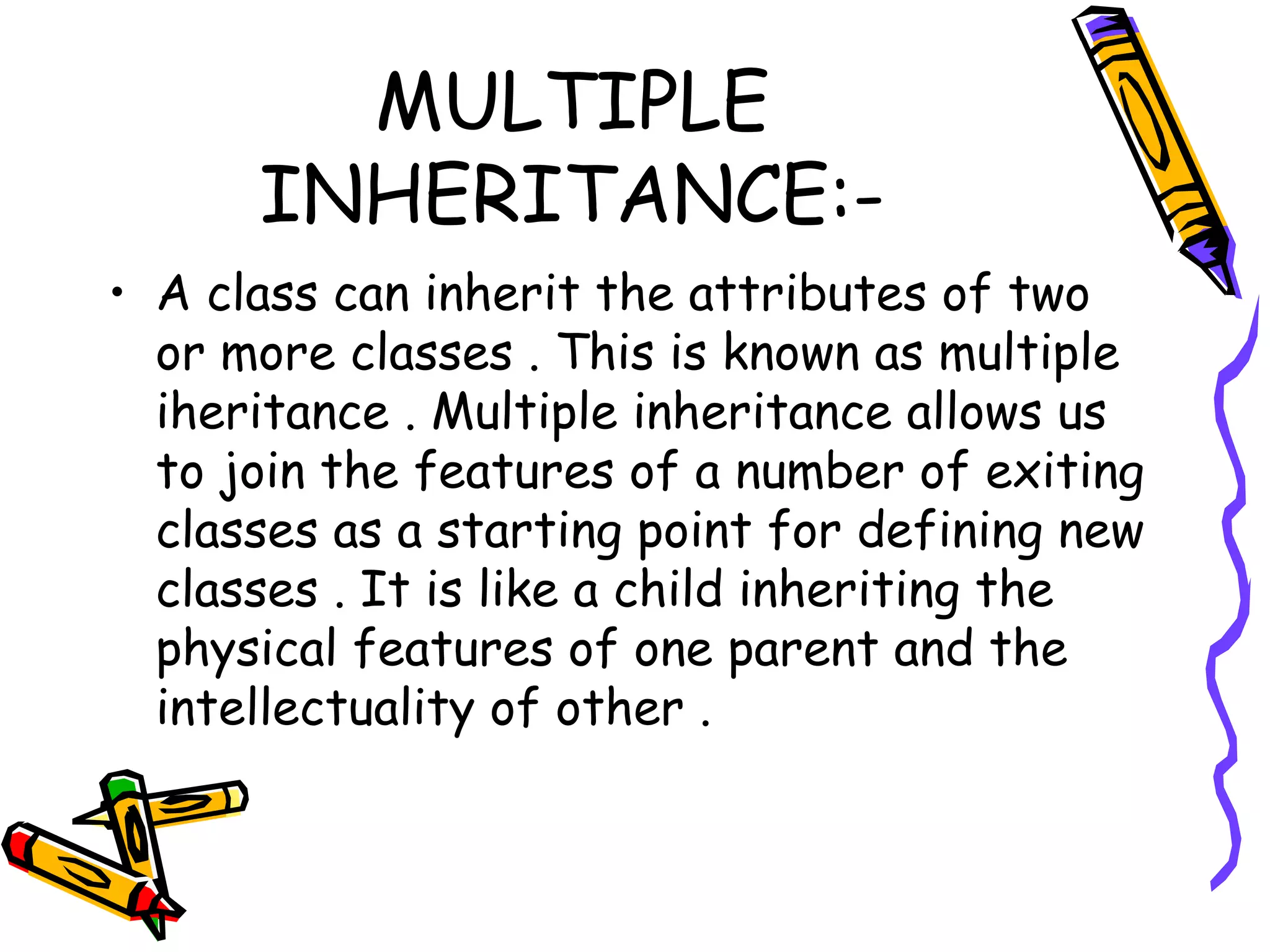
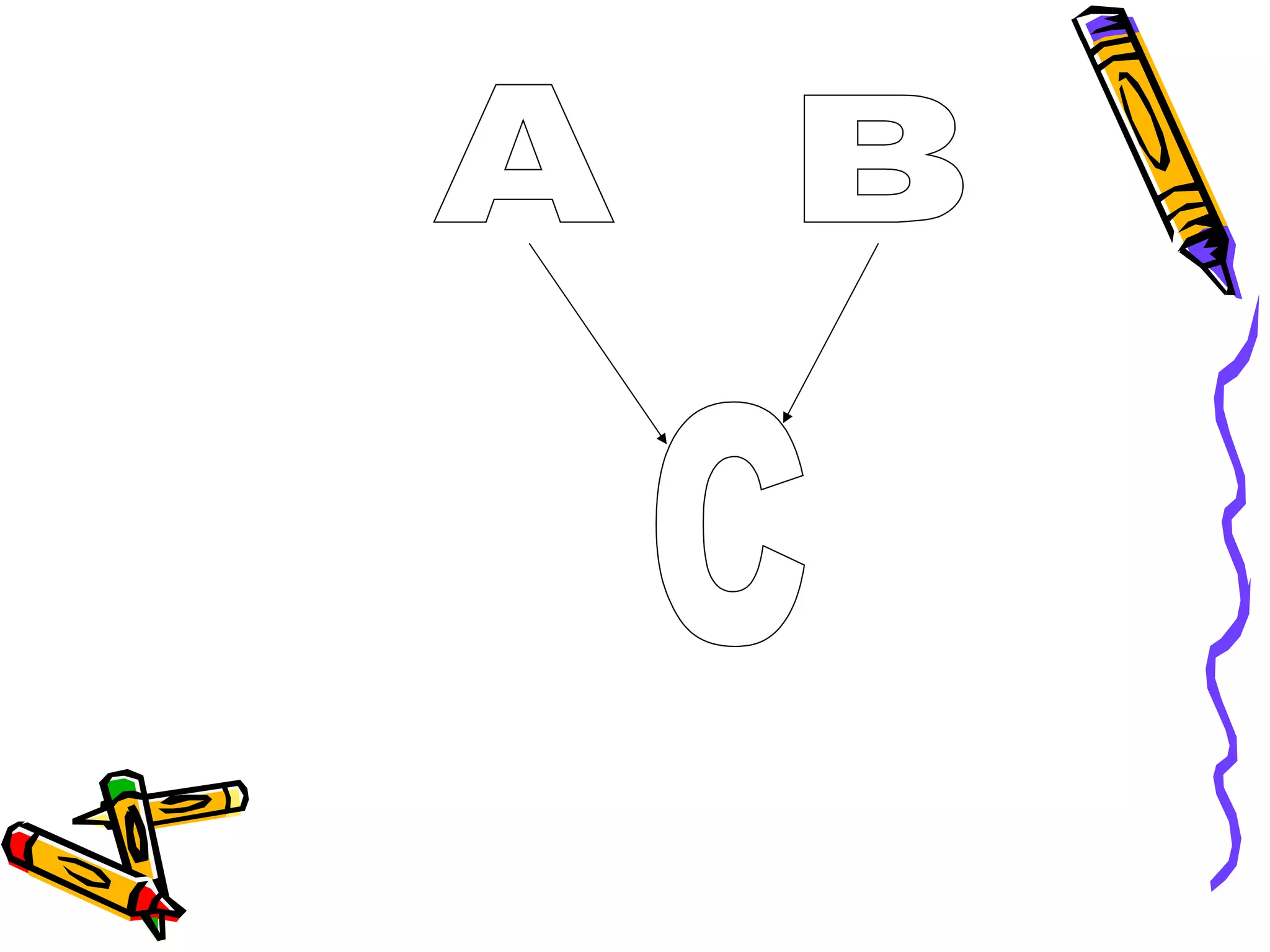
MULTIPLE INHERITANCE:- • A class can inherit the attributes of two or more classes . This is known as multiple iheritance . Multiple inheritance allows us to join the features of a number of exiting classes as a starting point for defining new classes . It is like a child inheriting the physical features of one parent and the intellectuality of other .
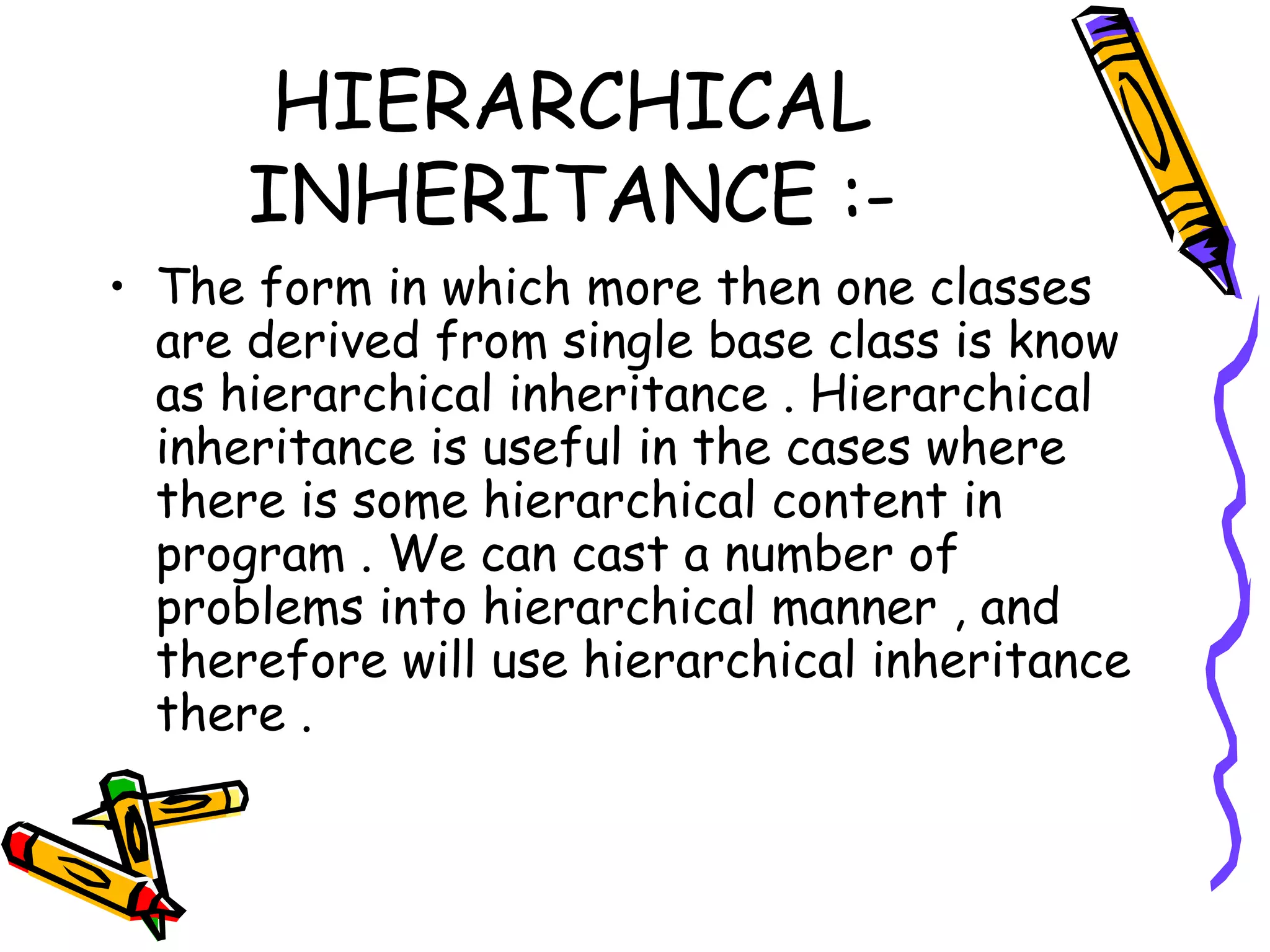
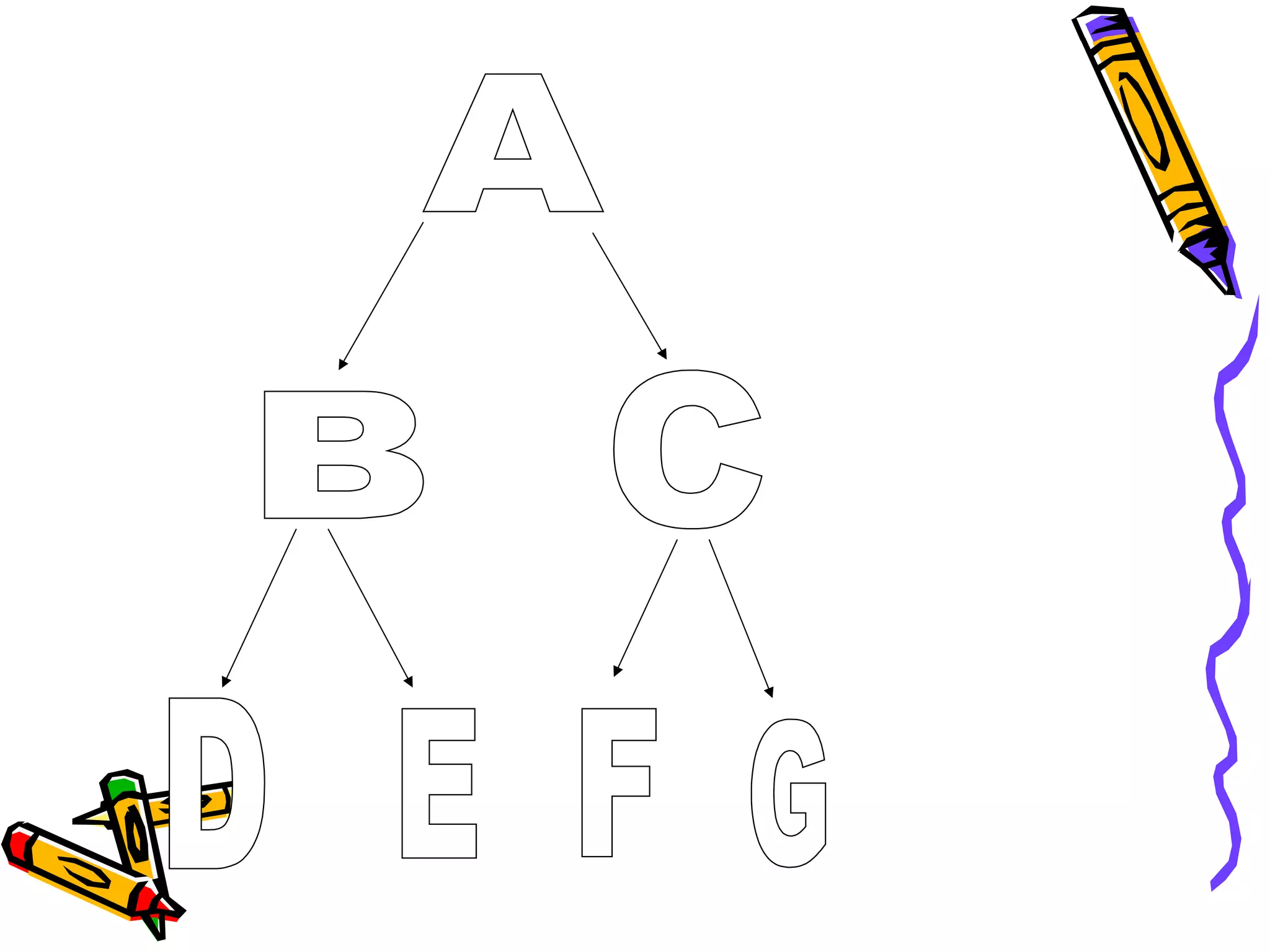
HIERARCHICAL INHERITANCE :- • The form in which more then one classes are derived from single base class is know as hierarchical inheritance . Hierarchical inheritance is useful in the cases where there is some hierarchical content in program . We can cast a number of problems into hierarchical manner , and therefore will use hierarchical inheritance there .
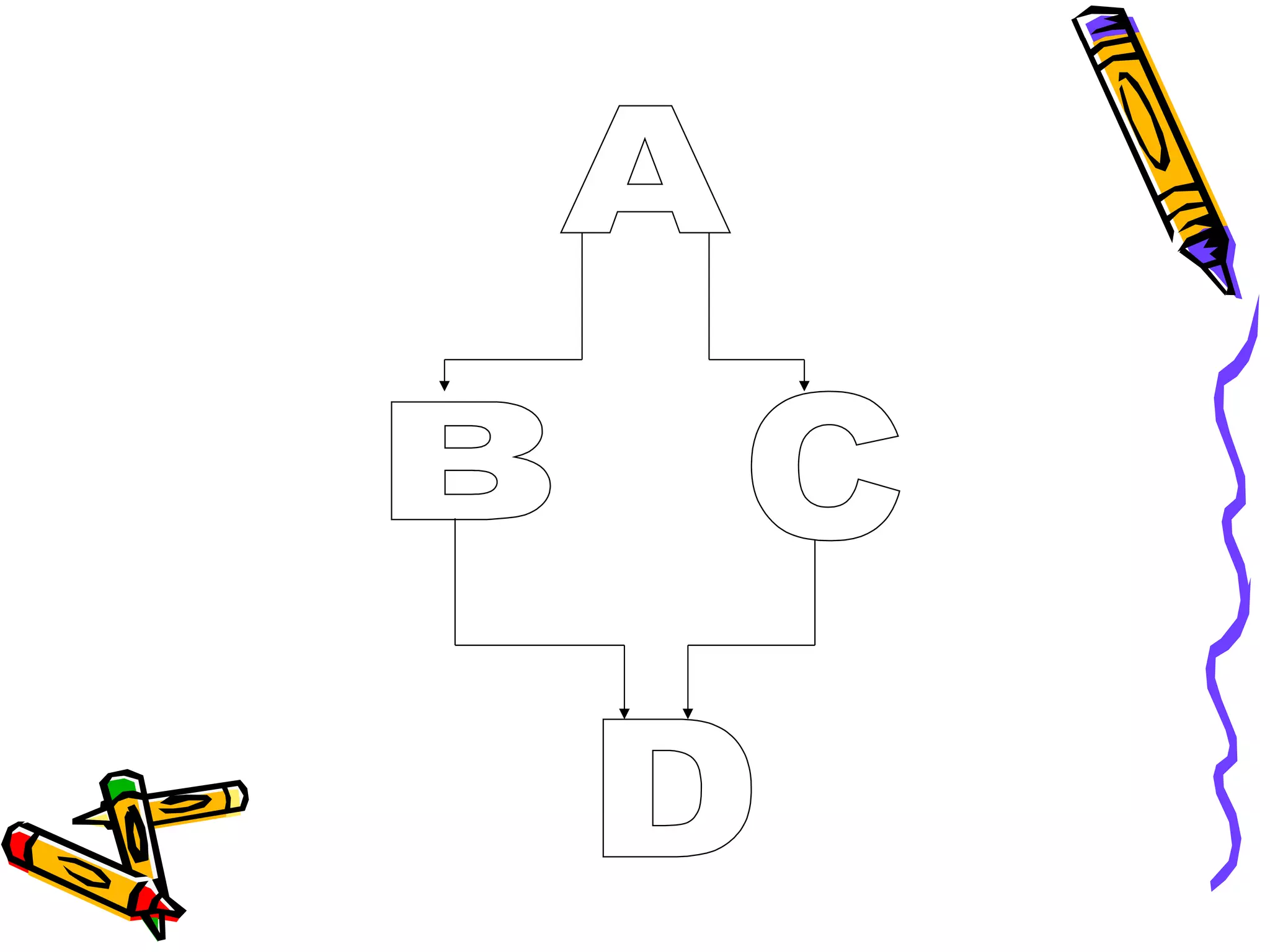
HYBRID INHERITANCE :- • In this type of inheritance , we can have combination of two or more types . It is when you want to use two or more type of inheritance in a single program . Thus , hybrid iheritance is that from of inheritance in which we use two or more than two types of inheritance .
PUBLIC,PRIVATE AND PROTECTED INHERITANCE • Inheritance is a process of creating a new class from an existing class. When a class is derived from an existing class, all the members of base class are automatically inherited in the derived class. However, it is also possible to restrict access to data members and member functions of the base class in the derived class. • The purpuse of restricting access to member of the base class is to ensure the integrity of the object by controlling how other classes and parts of the program(main()) interact with it.
• In order to achieve this, the base class is inherited through public, private and protected access specifiers.these specifies control the access of inherited members of the base class in the derived class and other parts of the programmain().
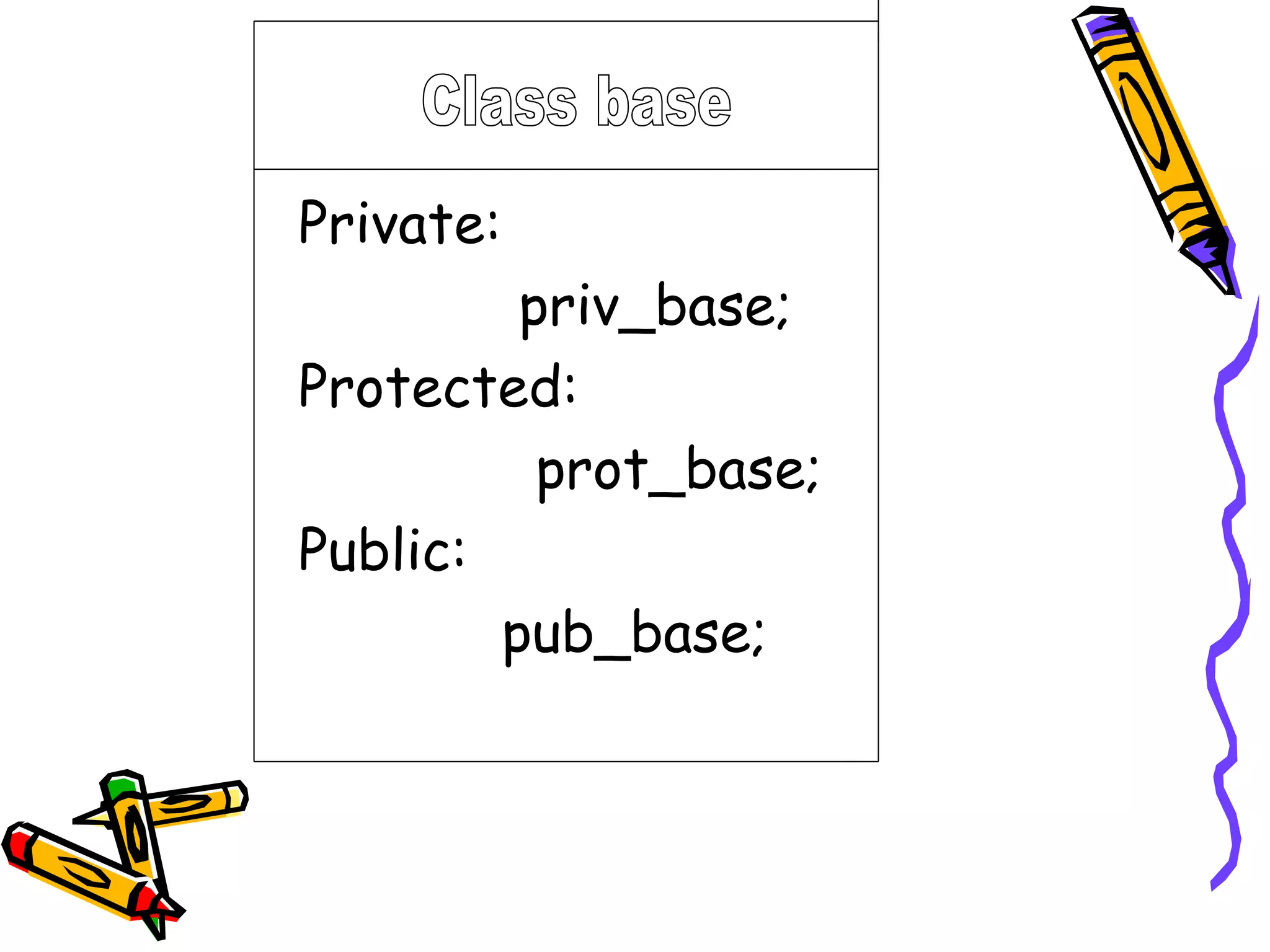
Private: priv_base; Protected: prot_base; Public: pub_base;

Topic inheritance

  • 1.
    TOPIC- InheritanceTOPIC- Inheritance Inheritanceprocess of creating aInheritance process of creating a new class from an existing class.new class from an existing class. • The existing class that is beingThe existing class that is being inherited is called the base classinherited is called the base class and new class that inherits theand new class that inherits the functionality is called derivedfunctionality is called derived class.class.
  • 2.
    SINGLE INHERITANCE :- • Thederived class inherits some or all of the traits of the base class .A class can also inherit properties from more than one class or from more than one level .A derived class can only one base case is called singel inheritance .
  • 4.
    MULTI LEVEL INHERITANCE :- •In this type of inheritance, there are number of levels and it is used in that cases where we want to use all properties in number of levels according to the requirement . It is not unusual that a class is derived from another derived class .
  • 6.
    MULTIPLE INHERITANCE:- • A classcan inherit the attributes of two or more classes . This is known as multiple iheritance . Multiple inheritance allows us to join the features of a number of exiting classes as a starting point for defining new classes . It is like a child inheriting the physical features of one parent and the intellectuality of other .
  • 8.
    HIERARCHICAL INHERITANCE :- • Theform in which more then one classes are derived from single base class is know as hierarchical inheritance . Hierarchical inheritance is useful in the cases where there is some hierarchical content in program . We can cast a number of problems into hierarchical manner , and therefore will use hierarchical inheritance there .
  • 10.
    HYBRID INHERITANCE :- • Inthis type of inheritance , we can have combination of two or more types . It is when you want to use two or more type of inheritance in a single program . Thus , hybrid iheritance is that from of inheritance in which we use two or more than two types of inheritance .
  • 12.
    PUBLIC,PRIVATE AND PROTECTED INHERITANCE •Inheritance is a process of creating a new class from an existing class. When a class is derived from an existing class, all the members of base class are automatically inherited in the derived class. However, it is also possible to restrict access to data members and member functions of the base class in the derived class. • The purpuse of restricting access to member of the base class is to ensure the integrity of the object by controlling how other classes and parts of the program(main()) interact with it.
  • 13.
    • In orderto achieve this, the base class is inherited through public, private and protected access specifiers.these specifies control the access of inherited members of the base class in the derived class and other parts of the programmain().
  • 14.