

6 MIN READ
What is TMD?
Temporomandibular Disorders (or TMD) are a group of conditions affecting the jaw joint, muscles, and surrounding structures, causing pain, stiffness, headaches and difficulty with jaw movement.
-

TMJ: Your jaw joint
TMJ stands for temporomandibular joint — your jaw joint that allows you to speak, chew, and yawn — though it's sometimes also used to refer to TMD, the conditions that affect how this joint functions.
-

Understanding TMD self-management
Self-management is a safe and effective first step for TMD, using simple daily tools like education, jaw exercises, and habit awareness to reduce pain and improve function.
-

Jaw exercise: N-stretch
The N-stretch is a jaw relaxation exercise where you place your tongue on the roof of your mouth, let your jaw hang loose, and keep your teeth apart with lips together.
-

Understanding TMD-related pain
TMD-related pain isn't always a sign of damage — it’s often the result of an overprotective nervous system that continues to send pain signals even after the original issue has healed.
-

Finding relief and managing TMD
TMD can be effectively managed — and it all begins with self-management, the evidence-based foundation that supports every next step in your care.
-
Guided jaw stretch & relaxation
This guided exercises combines the use of the 'N' or 'Nuh' position from the N-Stretch exercise with deep breathing, creating a powerful way to relax your jaw muscles and calm your nervous system.
-
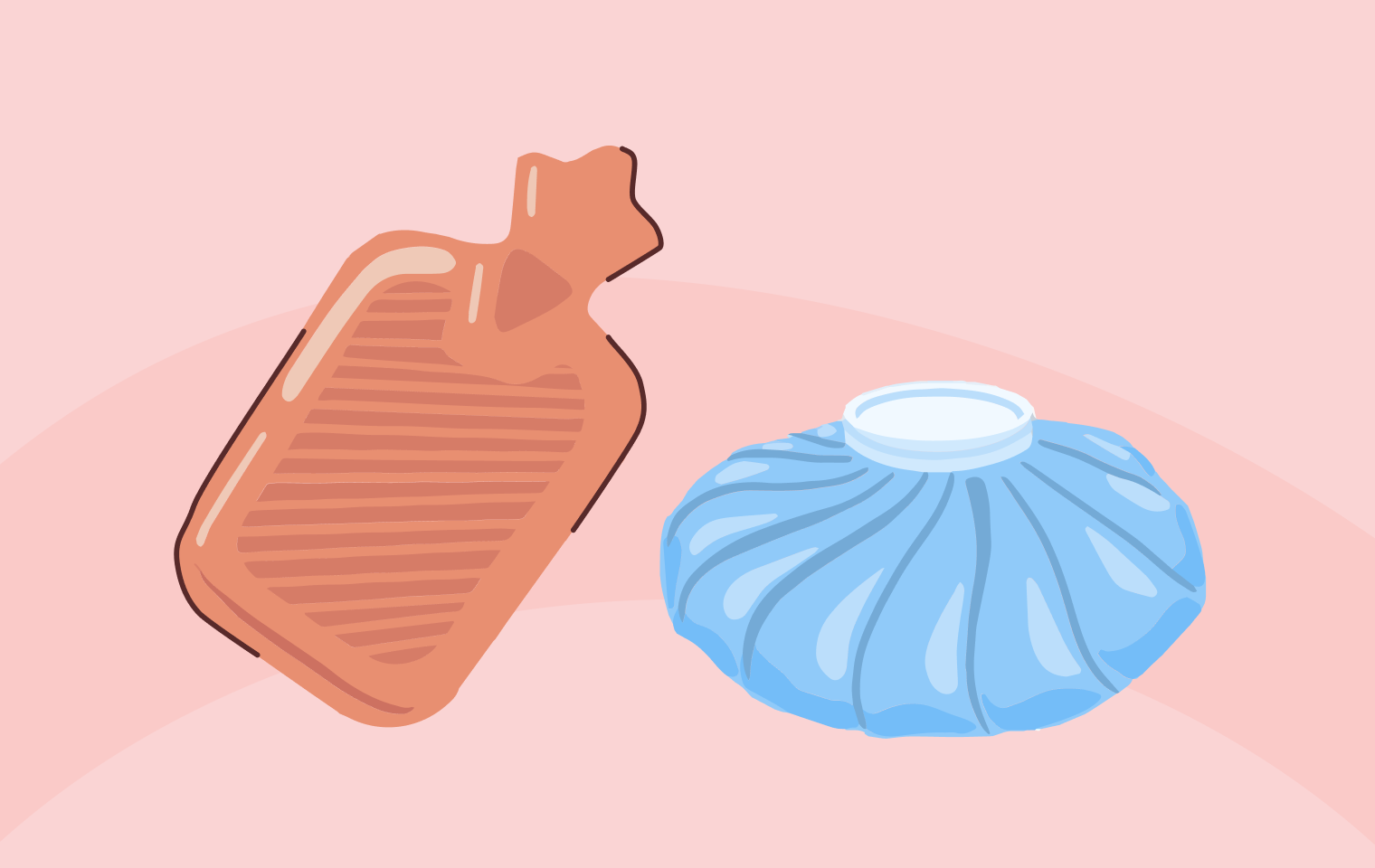
Heat, ice & self-massage
Managing TMD (Temporomandibular Disorders) requires a multi-pronged strategy, with heat, covered ice, and self-massage playing key roles in alleviating pain, fostering relaxation, and enhancing overall function of the jaw joint and its muscles.
-
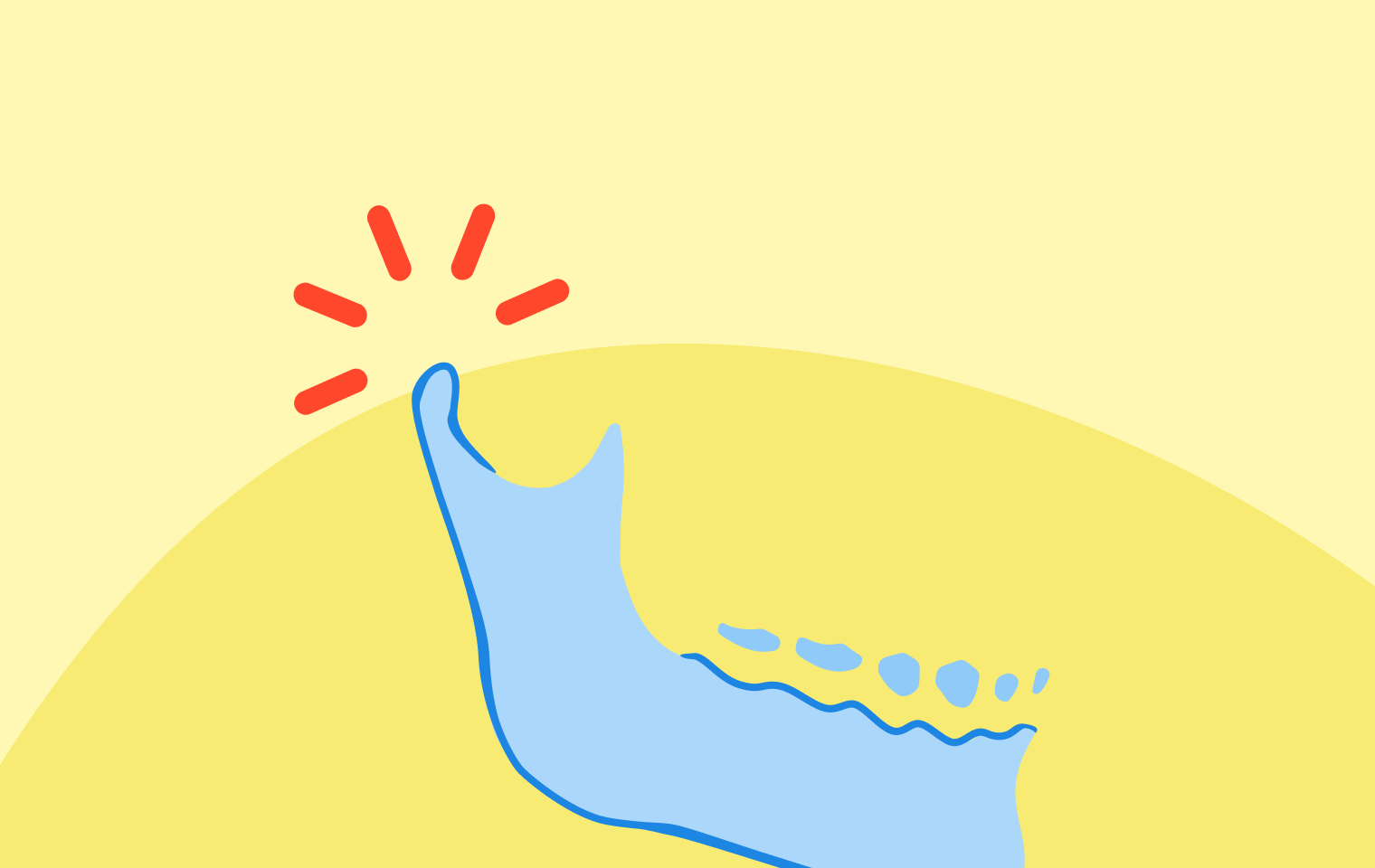
Jaw clicking, popping & locking
Temporomandibular Disorders (TMD) refer to a group of conditions that affect the jaw joint (TMJ), the chewing muscles, and associated structures. One common symptom that can cause worry is a clicking, popping, or locking sensation in the jaw. But not all sounds or sensations are a cause for concern.
-

TMD & teeth grinding: Is there a link?
Teeth grinding (bruxism) and TMD are distinct but sometimes connected conditions that can influence each other, often sharing triggers like stress, poor sleep, and muscle tension.
-

Sleeping better with TMD
Temporomandibular Disorders (TMD), characterised by pain, clicking or popping sounds, and limited jaw mobility, have intricate ties with sleep patterns. Recognising the dual role that sleep plays in both the onset and management of TMD is pivotal for effective TMD care.
-
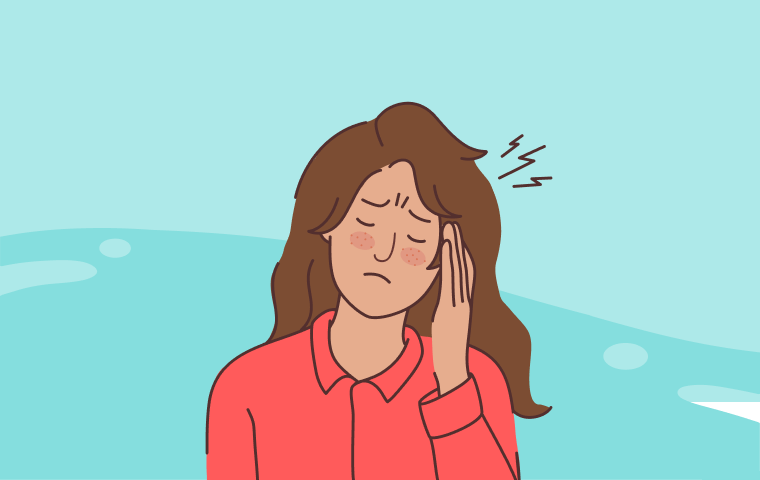
Facial pain, headaches & TMD
TMD-related headaches and facial pain often stem from muscle tension or joint strain, but using simple self-care techniques can help manage them while seeking professional guidance when needed.
-
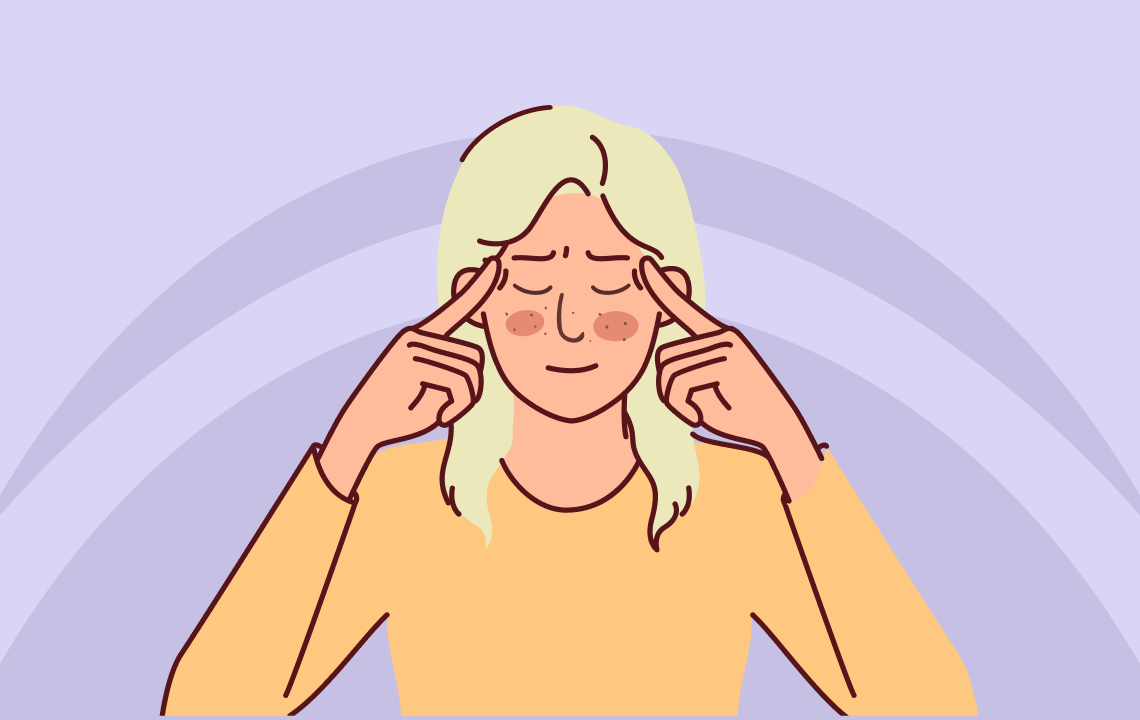
Migraines & tension-type headaches
Migraines and tension-type headaches are the most common primary headaches, often overlapping with TMD, and while their causes and triggers differ, both can be managed through a mix of medication, lifestyle changes, and tracking with tools like JawSpace.
-

The role of dental splints
Dental splints can help reduce jaw strain and protect teeth in TMD and bruxism, but they work best when used alongside self-management strategies and under professional guidance.
-

Botulinum Toxin for TMD relief: Can it help?
Botulinum Toxin (e.g. Botox®) may help relieve symptoms for some people with muscle-related TMD, but its effectiveness is uncertain, temporary, and not a cure — making it one of many treatment options to consider carefully.
-
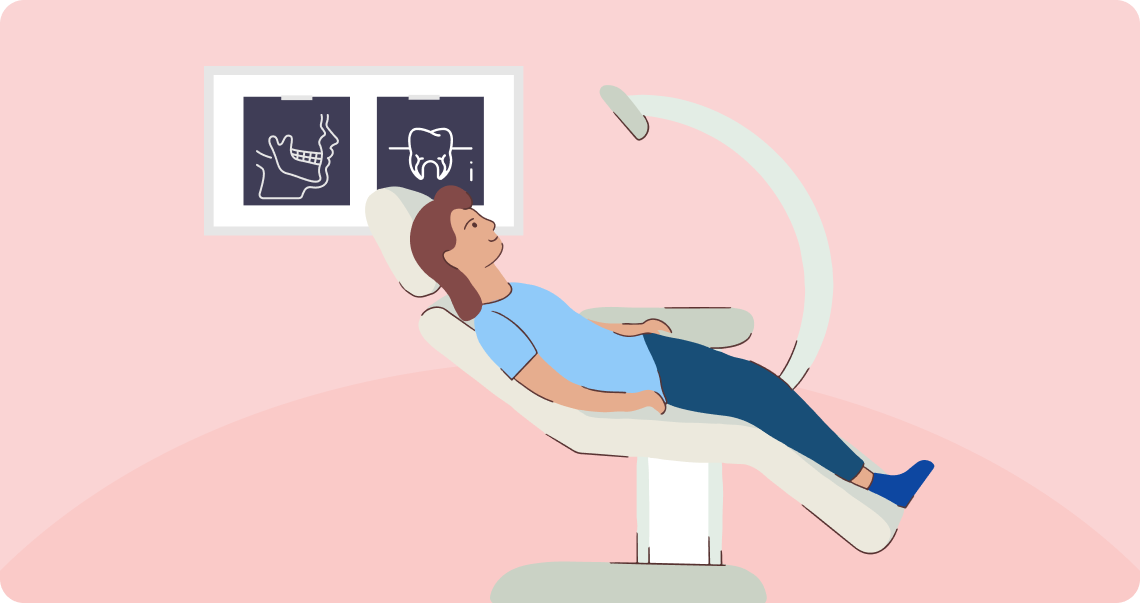
Do I need TMJ (jaw joint) surgery?
TMJ surgery is rarely needed and only considered for specific joint-related TMD subtypes — never for muscle-related TMD — and is typically reserved for cases with severe joint changes or functional limitation.

Built with empathy, made for you.
Explore the full library of tools and resources in the JawSpace app. Discover jaw exercises, calming techniques, pain education, and daily self-care tools—all in one place, designed to support you every step of the way.