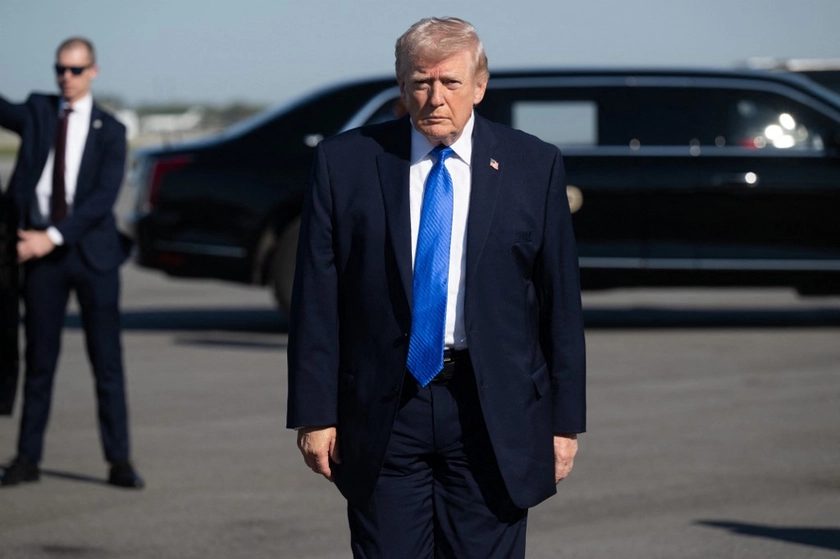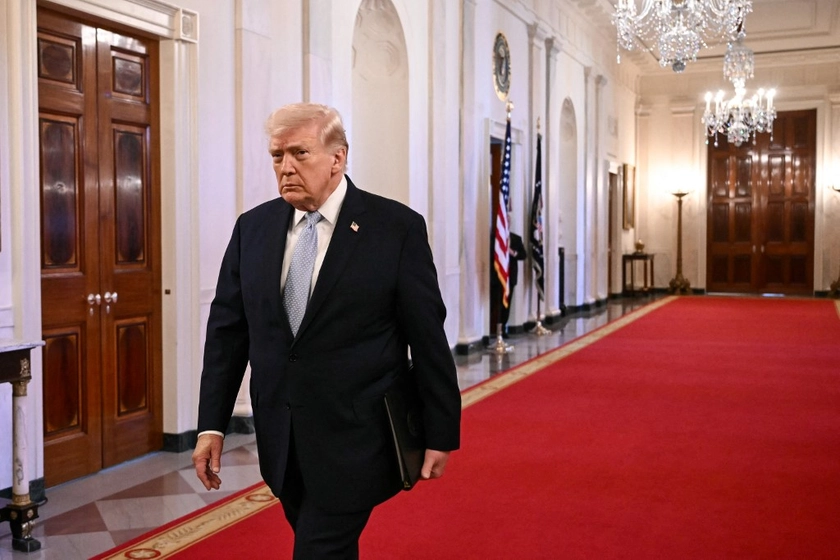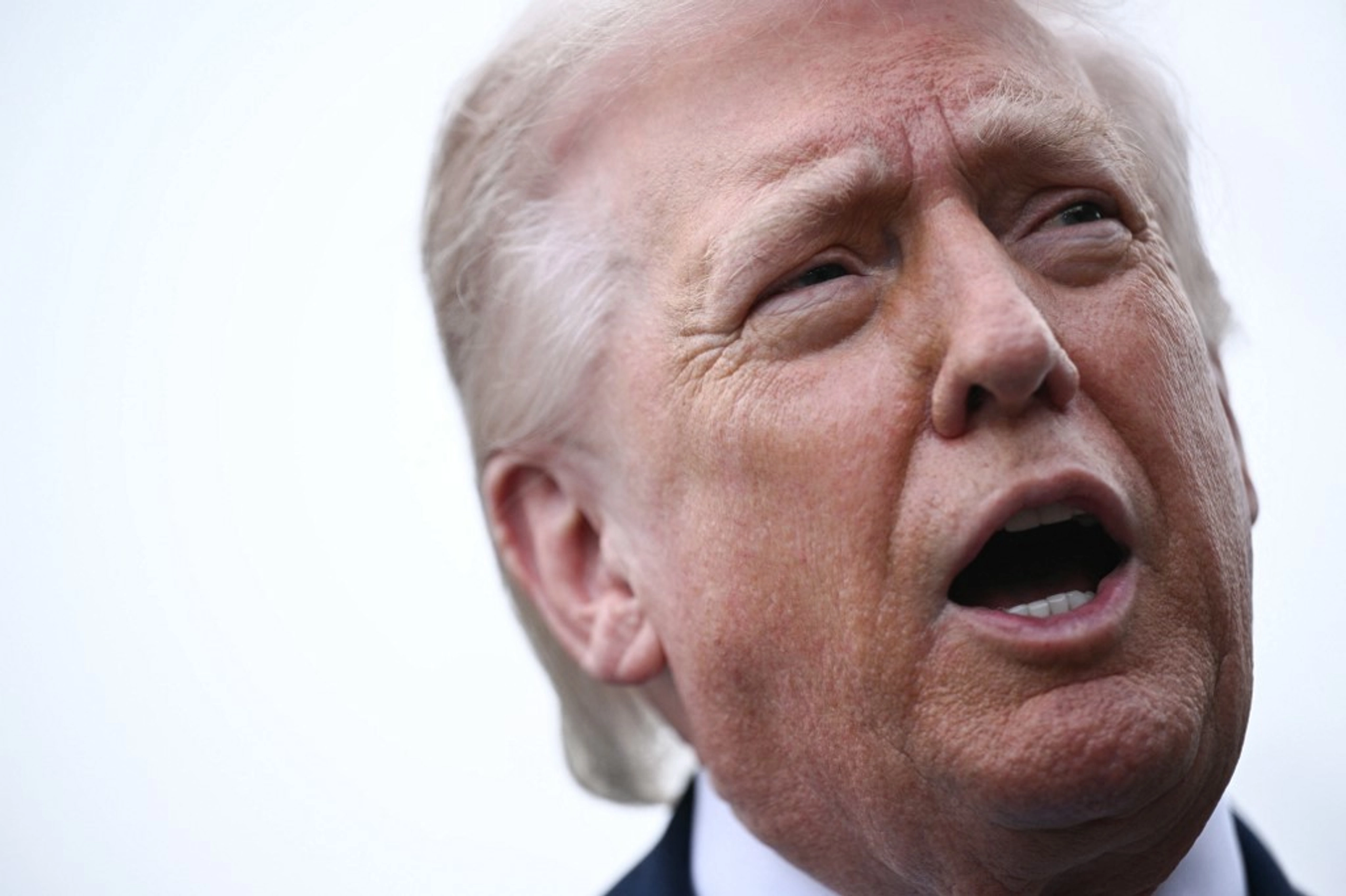
US President Donald Trump said Monday he is postponing threatened military strikes against Iranian energy infrastructure for five days, citing what he described as “very good and productive conversations” with Tehran over the weekend.
The announcement marks a sharp shift in tone after Trump warned just days earlier that the United States would “obliterate” Iran’s power plants if it failed to reopen the Strait of Hormuz by late Monday.
JOIN US ON TELEGRAM
Follow our coverage of the war on the @Kyivpost_official.
In a statement, Trump said he had instructed the Pentagon – which he referred to as the “Department of War” – to delay any action “based on the tenor and tone” of ongoing discussions aimed at a “complete and total resolution” of hostilities in the Middle East.
BREAKING PRESIDENT TRUMP: 🇺🇸🇮🇷 We had very good and productive conversations regarding a complete and total resolution of hostilities in the Middle East.
— Donald J Trump Posts TruthSocial (@TruthTrumpPost) March 23, 2026
Military strikes postponed for 5 days. pic.twitter.com/wiZh9F1H5p
The strategic waterway, through which a significant share of the world’s oil supply flows, has been effectively closed since Feb. 28 following US-Israeli strikes on Iran that triggered the current conflict.
The war is now entering its fourth week, raising fears of a global energy shock.
However, Clash Report media, citing Iranian officials, reported that Tehran appeared to reject Trump’s account of diplomatic progress.
Media outlets affiliated with Iran’s powerful Islamic Revolutionary Guard Corps said no direct talks had taken place, claiming instead that Washington had backed down under the threat of retaliation.
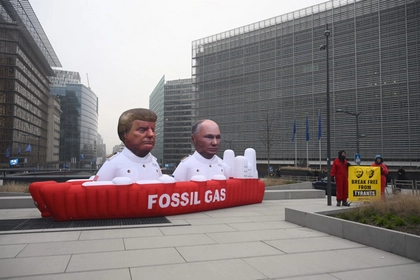
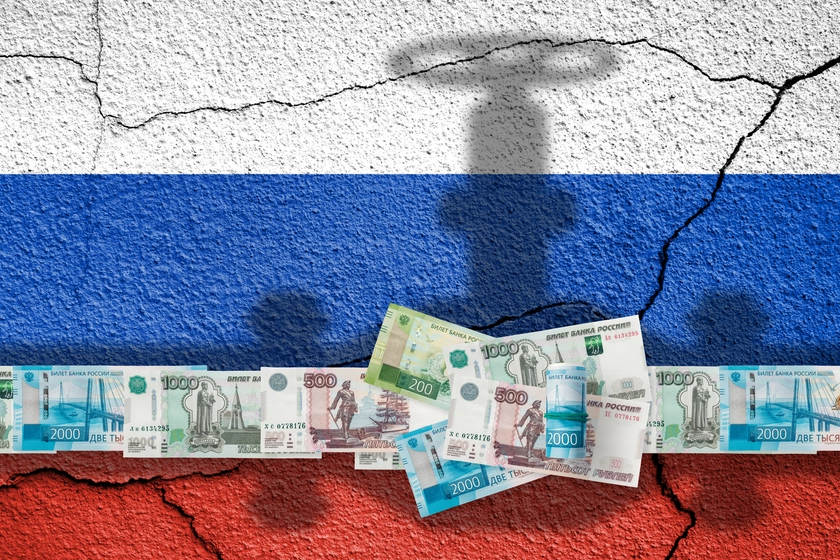
The Iran War Is Making Russia Great – Not America
Tehran has shown no public sign of complying with US demands to reopen Hormuz. Instead, Iranian officials on Monday escalated their rhetoric, warning they could deploy naval mines in the Gulf – a tactic used during the Iran-Iraq war in the 1980s – and target energy infrastructure across the region if attacked.
Iranian state-linked media Mehr also circulated maps highlighting potential targets, including major power plants in Israel and energy facilities in Saudi Arabia, the United Arab Emirates, Qatar, and Kuwait.
One graphic carried the message: “Say goodbye to electricity!”
Iranian news agency "Mehr" expands the Iranian response to the ultimatum issued by Trump last night:
— Sprinter Press (@SprinterPress) March 22, 2026
"Say goodbye to electricity," it states, and a map has been published showing power plants in Saudi Arabia, the United Arab Emirates, Qatar, and Kuwait as potential targets for… pic.twitter.com/Q05GFQcQJx
The standoff comes amid mounting warnings from global energy authorities that a prolonged conflict could trigger a crisis surpassing the oil shocks of the 1970s, as supply routes remain disrupted and tensions continue to rise.
The war is already shaking global energy markets. The IEA chief, Fatih Birol, warned the world faces an energy crisis worse than the 1970s oil shocks combined if fighting continues.
At least 40 energy assets in the Gulf are “severely or very severely damaged,” oil prices have surged above $100 a barrel, and supply disruptions are spreading worldwide.
Cambodia has halted LPG sales due to war-linked shortages, while Iran allows only friendly nations’ ships through Hormuz, warning others risk blockades.
You can also highlight the text and press Ctrl + Enter