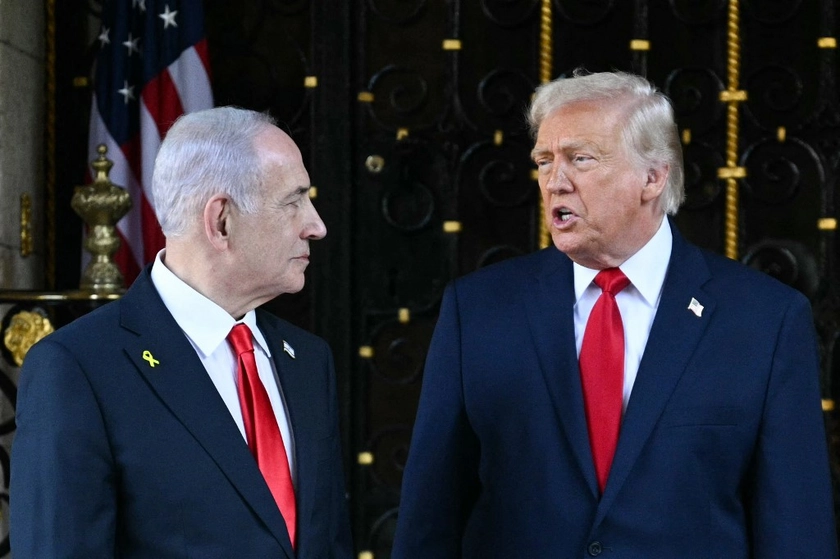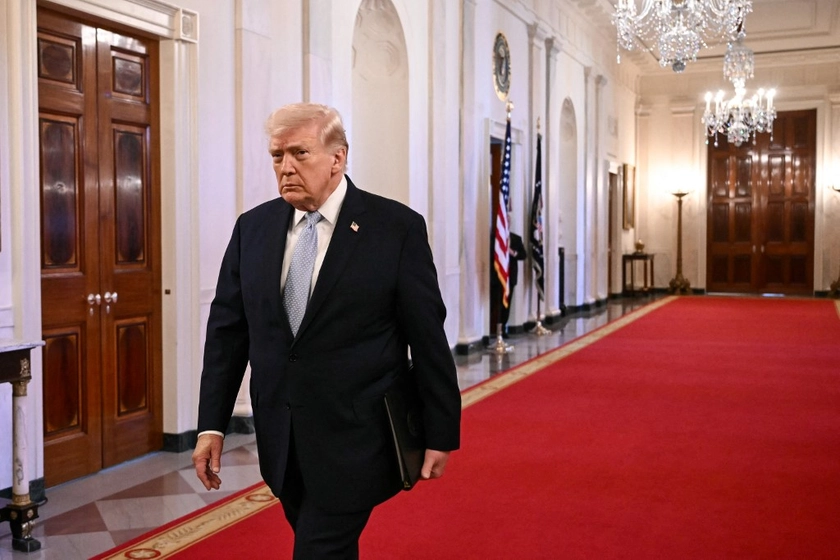
US President Donald Trump approved a military operation against Iran after Israeli Prime Minister Benjamin Netanyahu argued for targeting Supreme Leader Ayatollah Ali Khamenei, Reuters reported on Monday, March 23, citing sources familiar with the matter.
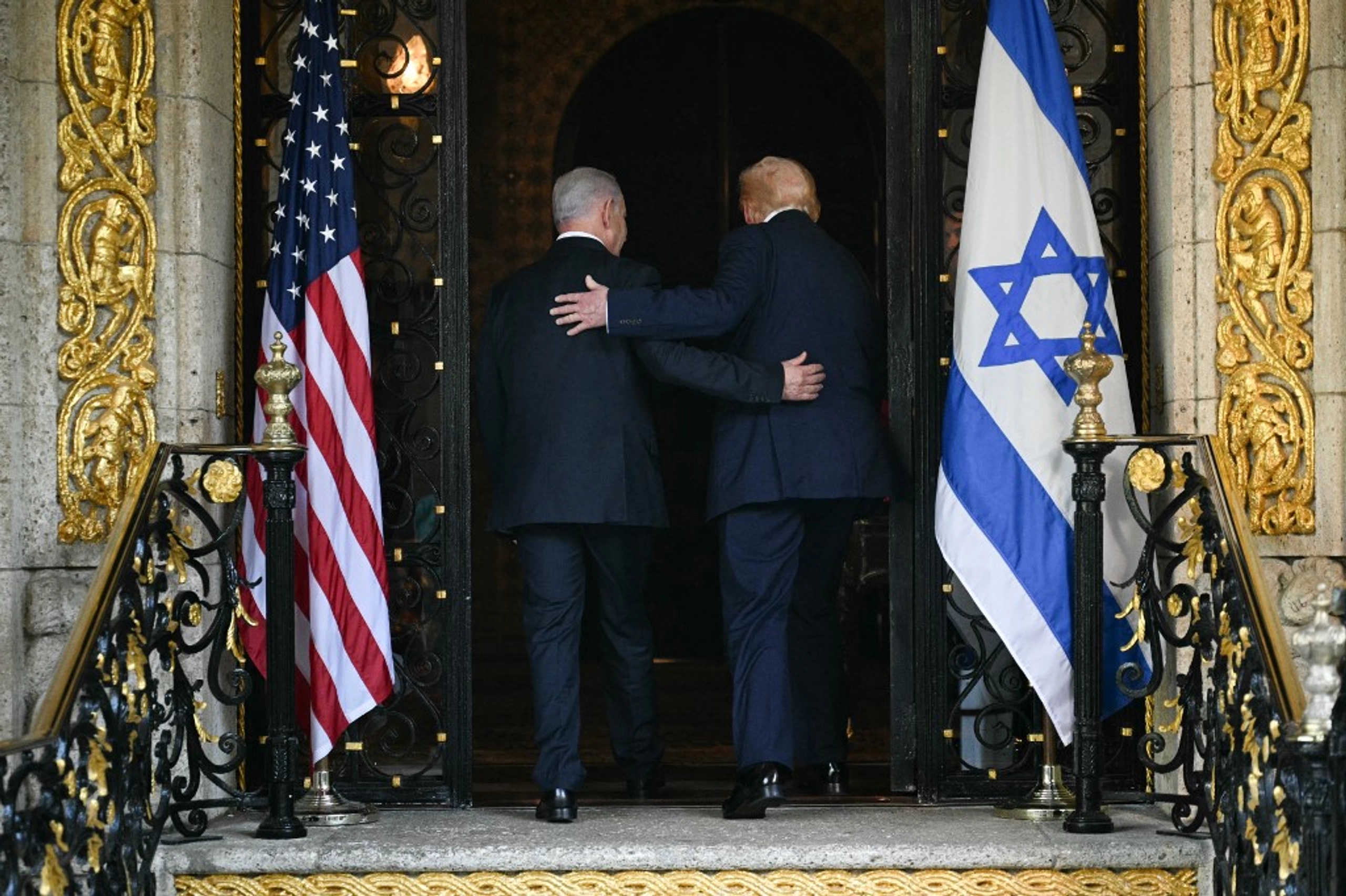
According to the report, Netanyahu made the case during a phone call with Trump less than 48 hours before the strike, saying there might not be a better opportunity to eliminate Iran’s leadership.
JOIN US ON TELEGRAM
Follow our coverage of the war on the @Kyivpost_official.
US and Israeli intelligence had indicated that Khamenei and senior officials would be gathered at a compound in Tehran, making them vulnerable to a so-called “decapitation strike,” the sources said.
Intelligence, timing shaped decision
New intelligence suggested the meeting had been moved to an earlier time, from that Saturday evening to Saturday morning, narrowing the window for a potential strike, according to people briefed on the call.
The report said Trump had already approved the concept of a US military operation against Iran but had not finalized its timing before the conversation with Netanyahu.
Sources told Reuters that the call, along with the updated intelligence, helped shape the final decision to proceed with the strike.
Strike launched after weeks of buildup
The US had been building up military presence in the region for weeks ahead of the operation, the report said.
The strike began on Feb. 28, with Trump later announcing that Khamenei had been killed.
Trump also said on Monday that Iran has agreed not to pursue nuclear weapons as part of ongoing discussions over a potential deal.
Trump Backs Off Threat to Strike Iran Energy Sites After Allies’ Warnings
Speaking about a possible agreement, Trump said there are “many points of agreement” between Washington and Tehran.
Trump said he was postponing threatened military strikes against Iranian energy infrastructure for five days, citing what he described as “very good and productive conversations” with Tehran over the weekend.
However, Clash Report media, citing Iranian officials, reported that Tehran appeared to reject Trump’s account of diplomatic progress.
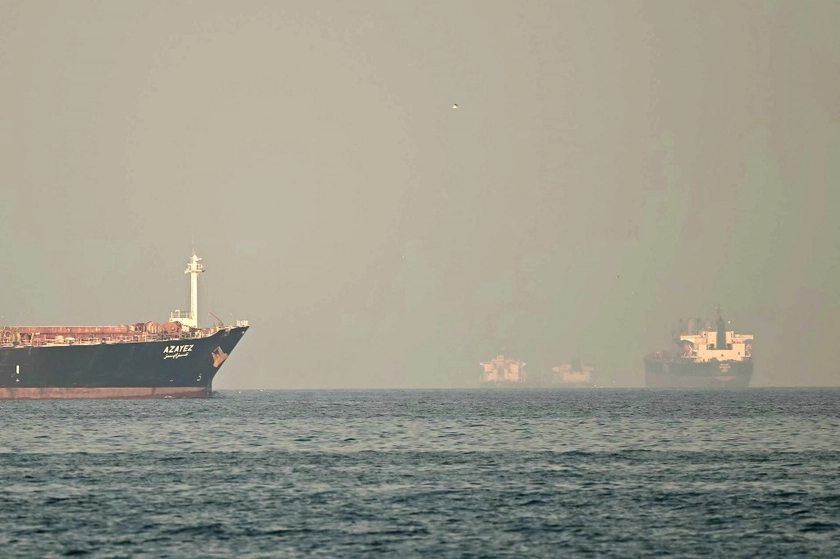
Tehran has shown no public sign of complying with US demands to reopen the Strait of Hormuz. Instead, Iranian officials on Monday escalated their rhetoric, warning they could deploy naval mines in the Gulf – a tactic used during the Iran-Iraq War in the 1980s – and target energy infrastructure across the region if attacked.
You can also highlight the text and press Ctrl + Enter