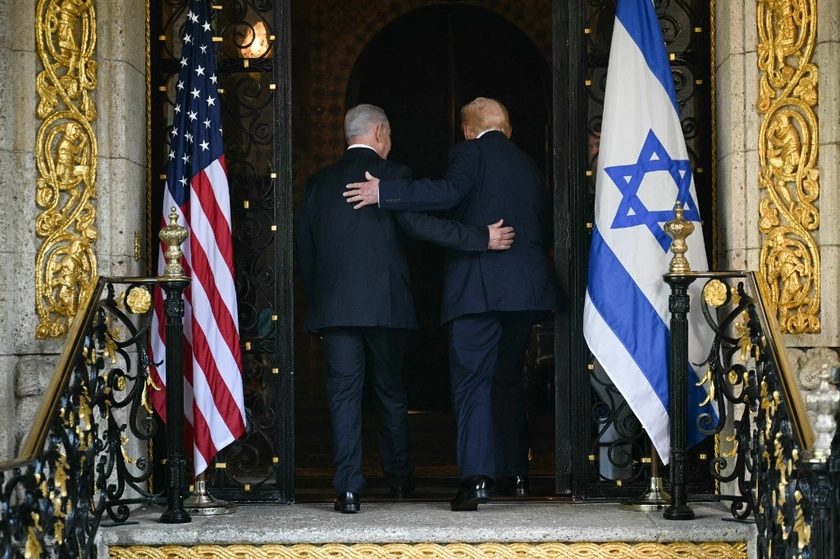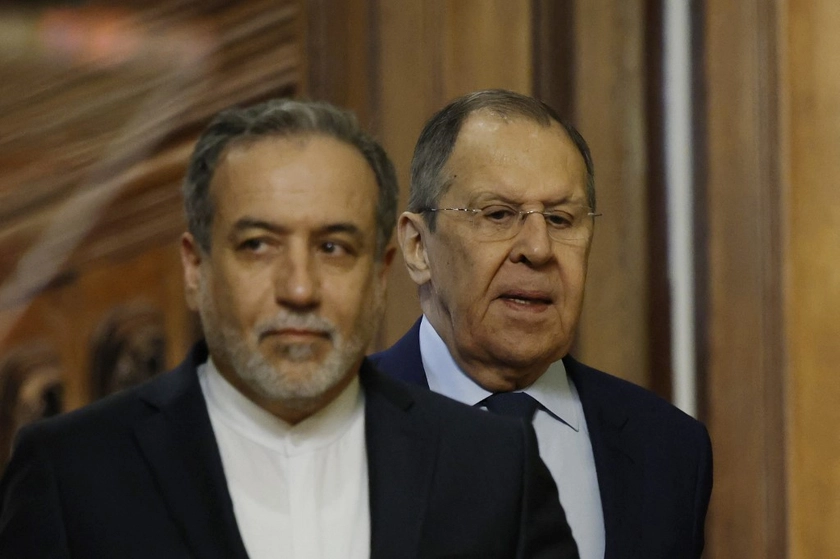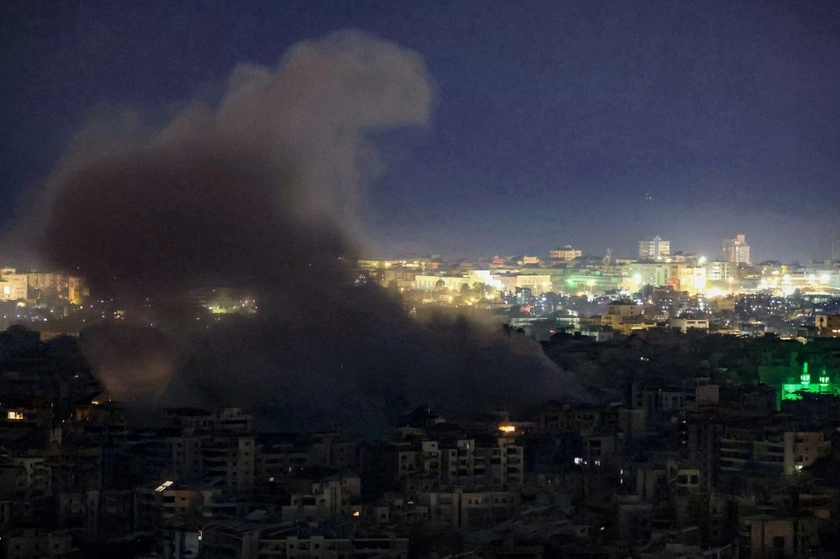
The United States and Israel expected a rapid internal uprising in Iran to help bring the war to a swift end, but the plan has failed to materialize, The New York Times reported on Sunday, March 23.
According to the report, Israeli and US officials believed that early strikes on Iran’s leadership and infrastructure could trigger mass protests and destabilize the government.
JOIN US ON TELEGRAM
Follow our coverage of the war on the @Kyivpost_official.
The plan, presented by Israel’s Mossad intelligence agency ahead of the war, envisioned riots and internal unrest that could potentially lead to the collapse of Iran’s leadership.
Uprising fails to materialize
Over three weeks into the war, no large-scale uprising has emerged, and Iran’s government remains in control, the report said.
US and Israeli intelligence assessments concluded that, while the government has been weakened, it remains intact – with security forces still deterring potential protests.
Fear of repression has discouraged many Iranians from taking to the streets, while opposition groups have not mobilized at scale.
Flawed assumptions in war planning
The belief that military strikes could spark a popular revolt has proven to be a key miscalculation in the early planning of the conflict, according to the report.
Instead of collapsing internally, Iran has escalated the conflict, launching attacks on military and energy targets across the region.
Some US officials had previously expressed skepticism about the likelihood of an uprising, warning that protests were unlikely during active bombing campaigns.
Massive Air Assault on Western Ukraine: Russian Drones Hit Historic Lviv Center, Ternopil
You can also highlight the text and press Ctrl + Enter