
Facility management software you can trust
Manage maintenance, work orders, repairs, and preventive tasks from one cloud platform to stay compliant and keep facilities running smoothly.
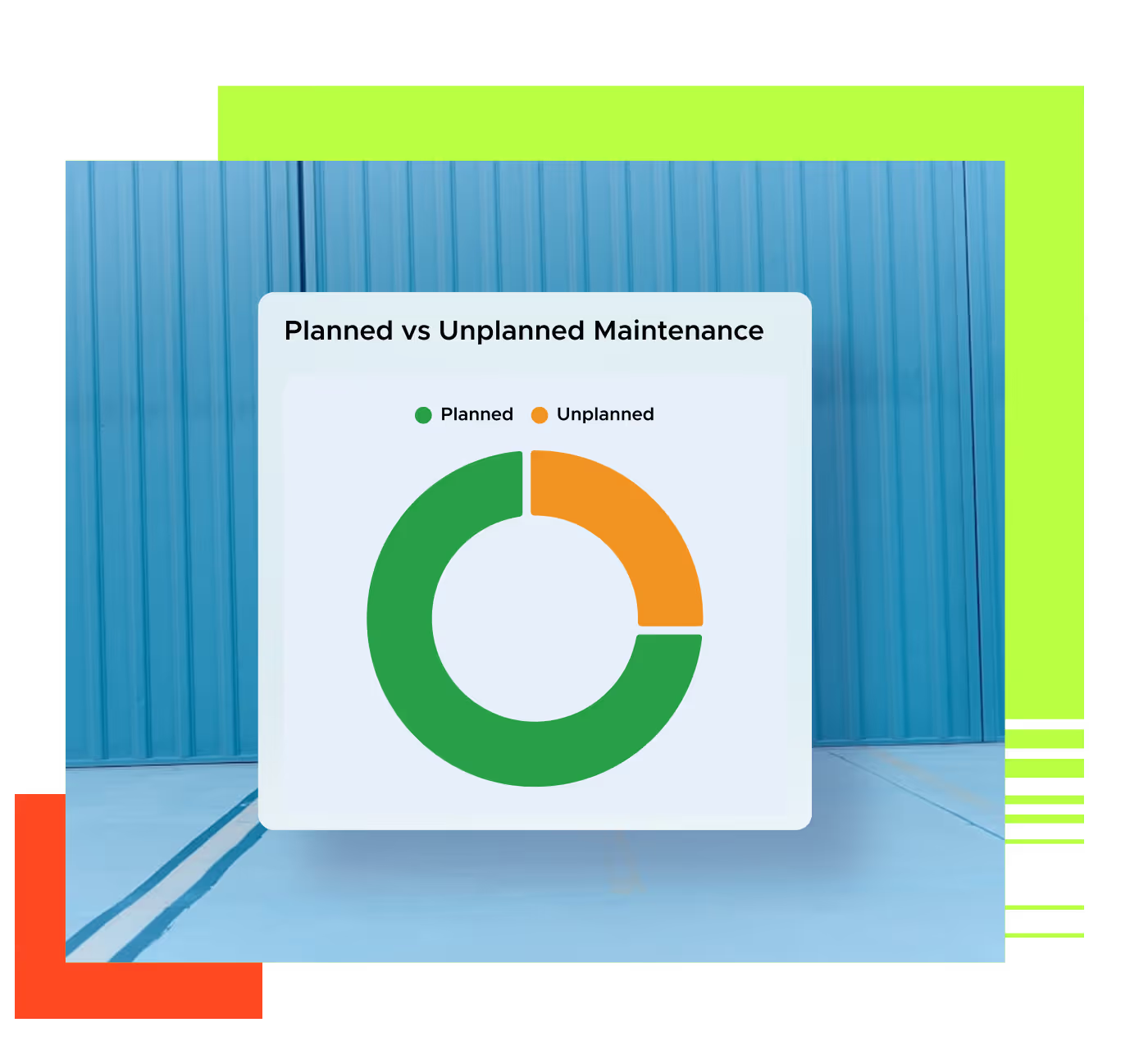








Prevent failures with proactive, data-driven maintenance.

Create, assign, and track work orders without manual effort.

Keep assets running longer with timely preventive maintenance.
User-friendly CMMS meets powerful asset management
Get the best of both worlds for your facilities, from a simple mobile app your staff will love to a scalable system for managing work orders, assets, and parts. Limble helps you move away from cumbersome spreadsheets and prevent equipment from breaking down. Plan for routine maintenance tasks and automate all the maintenance work that slows you down.
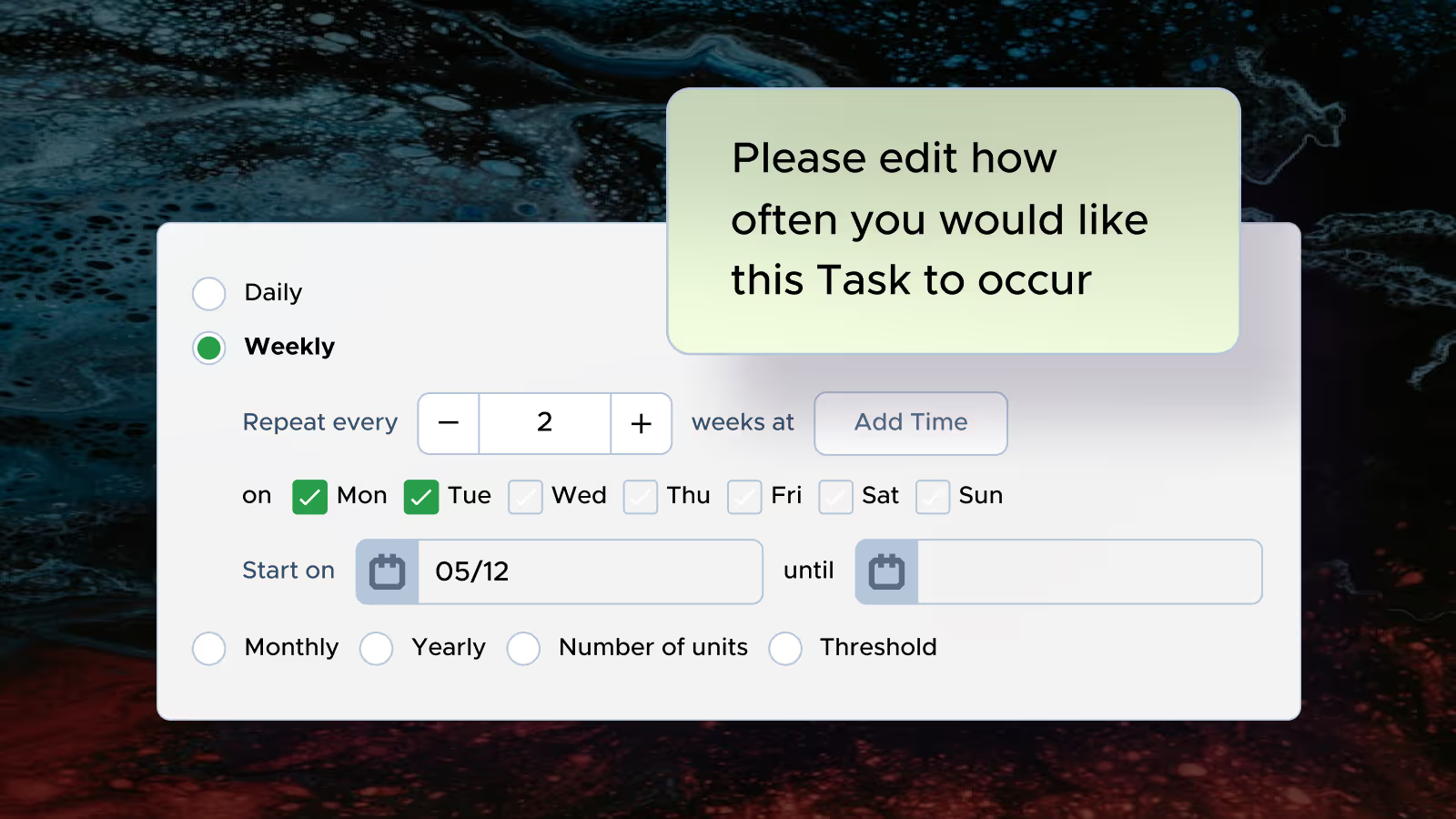
Prevent breakdowns before they happen
Expertly manage preventive maintenance using detailed checklists and proactive scheduling to prevent costly, unexpected downtime.
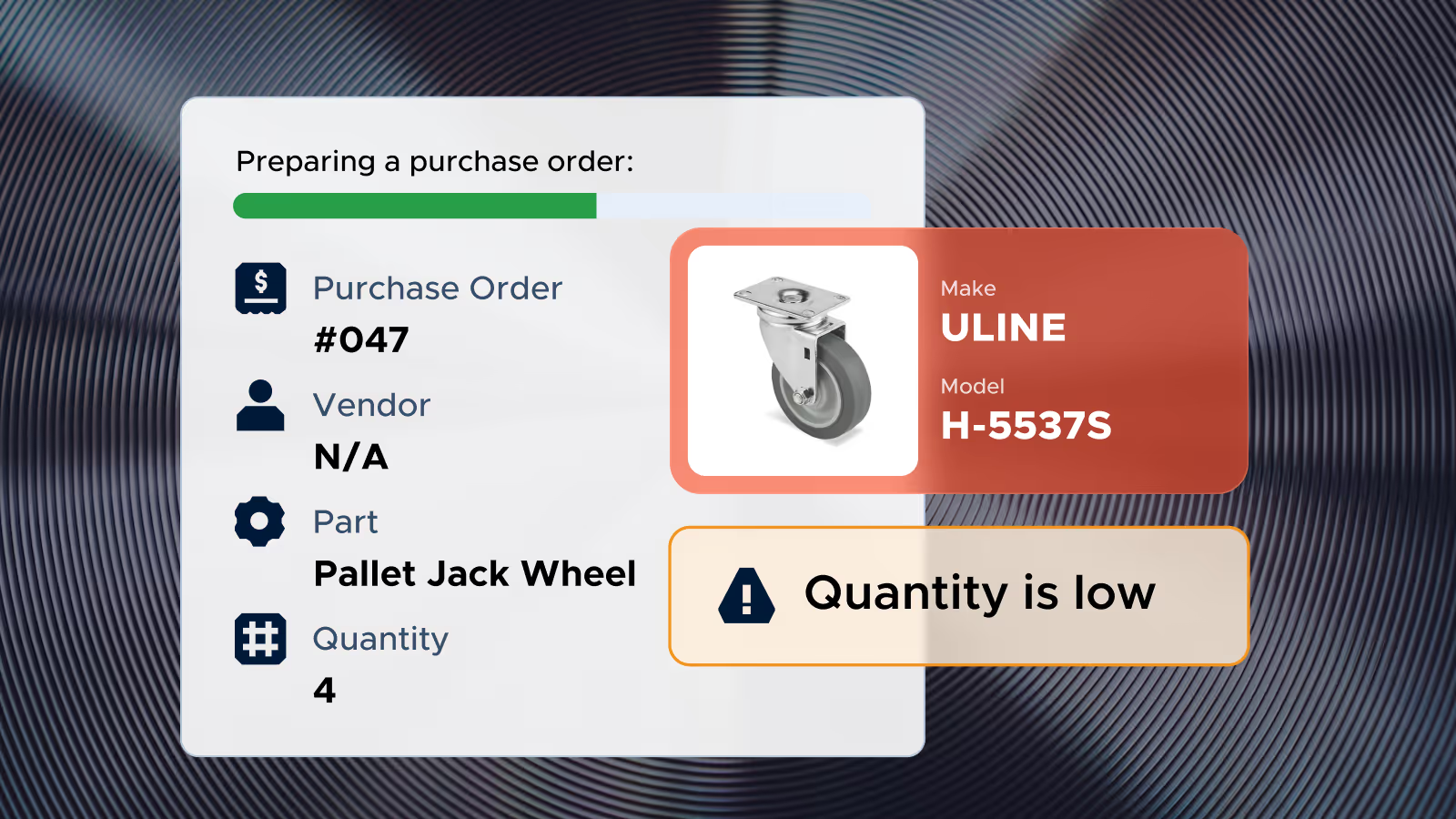
Keep critical spare parts in stock
Automate reminders to reorder so you always have the replacement part you need, minimizing delays and maintenance costs.
Collaborate with vendors, partners, and colleagues
Invite others in your ecosystem to get involved with PM tasks, complete a work order, fulfill a purchase order, and get notifications of important events.
Assign tasks and mention staff in the comments of any record.
Create a work request portal where people can submit maintenance or service requests from a link or QR code.
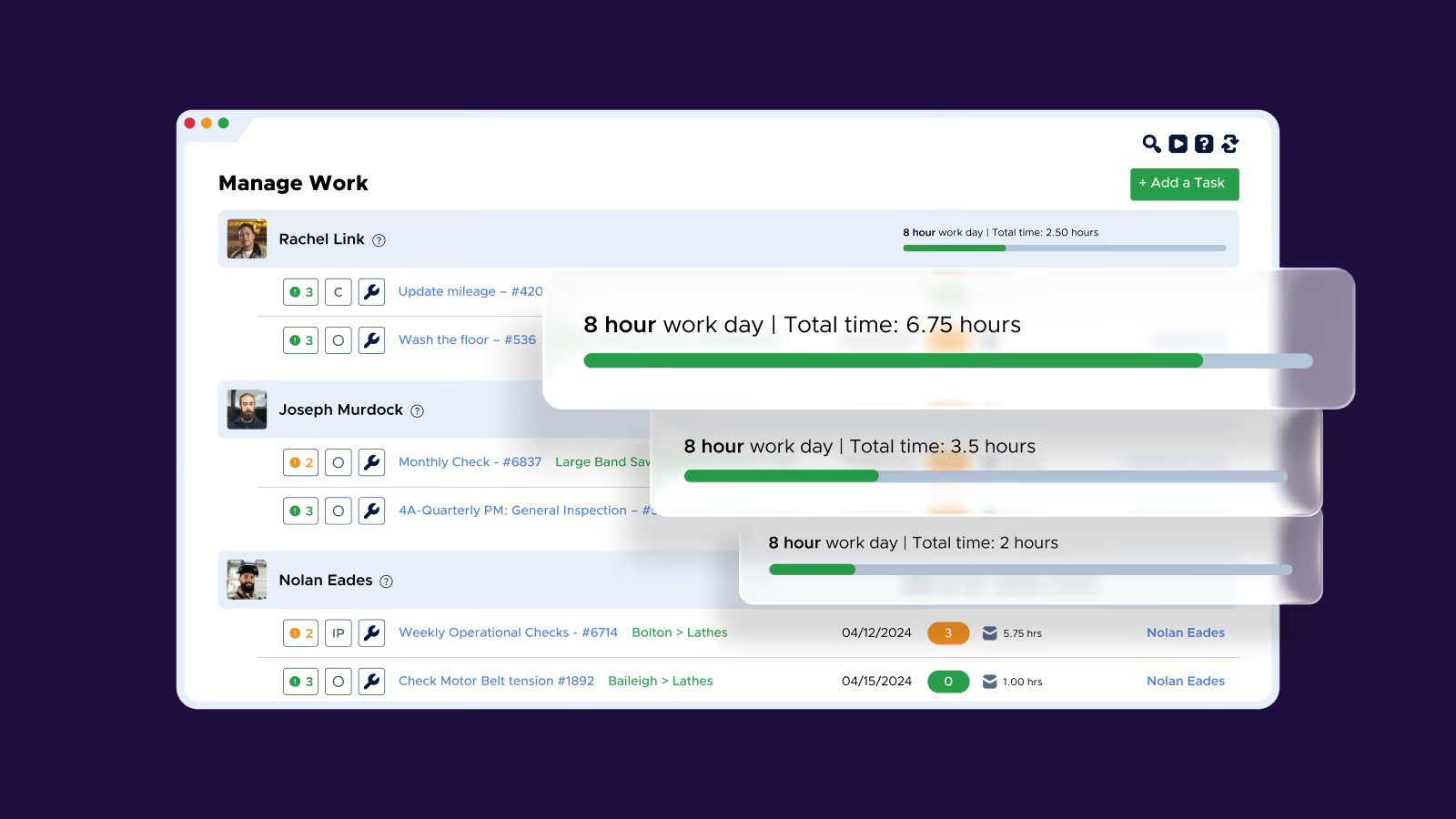
Customized dashboards and reporting
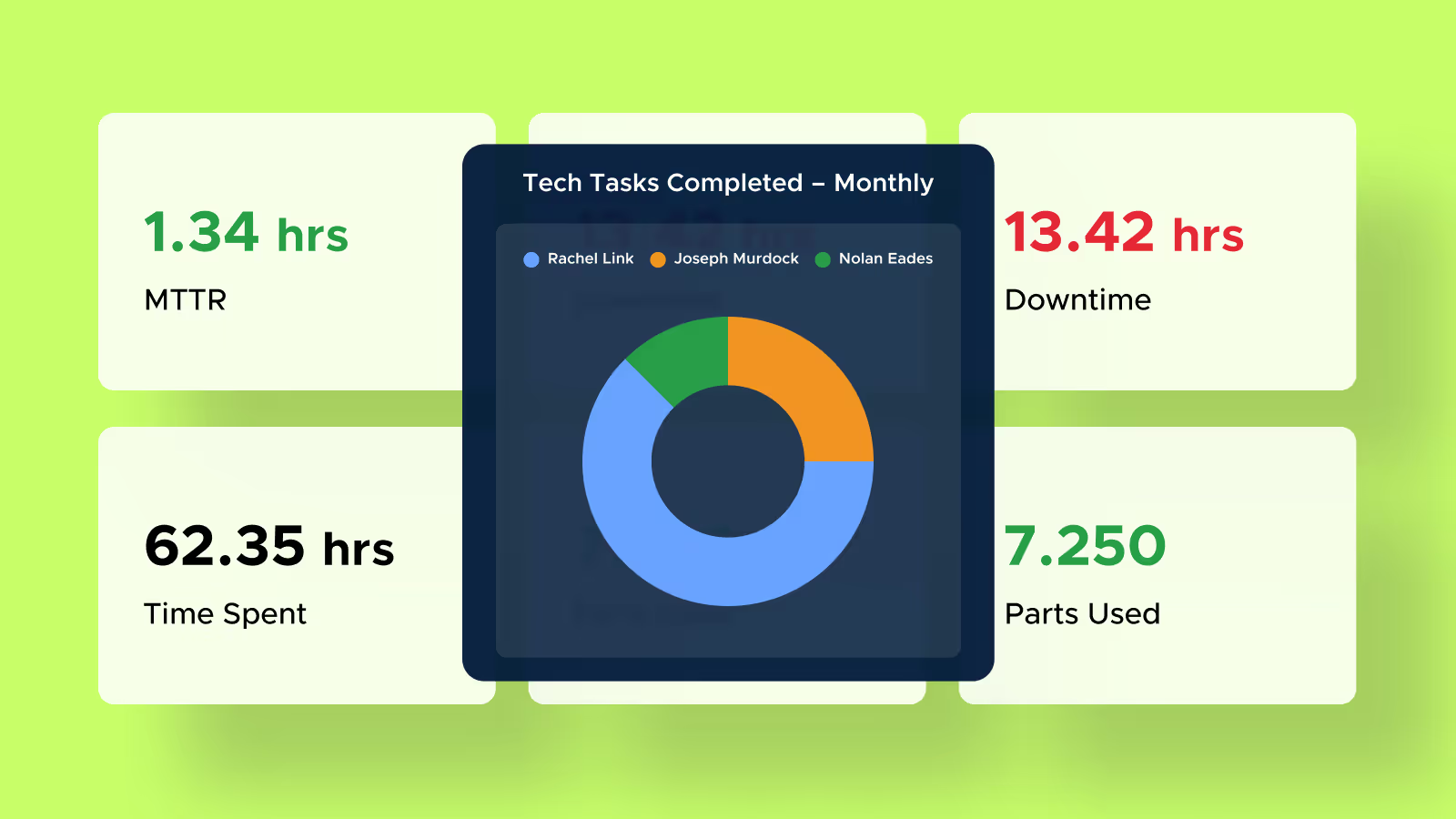
Track all your maintenance and facilities KPIs using customizable dashboards and share data-driven, actionable insights with stakeholders in real time. Limble makes it easy to report on open and historical work orders, see complete asset data, and monitor team performance metrics for full visibility into your operational health.
Maintenance management for large facilities
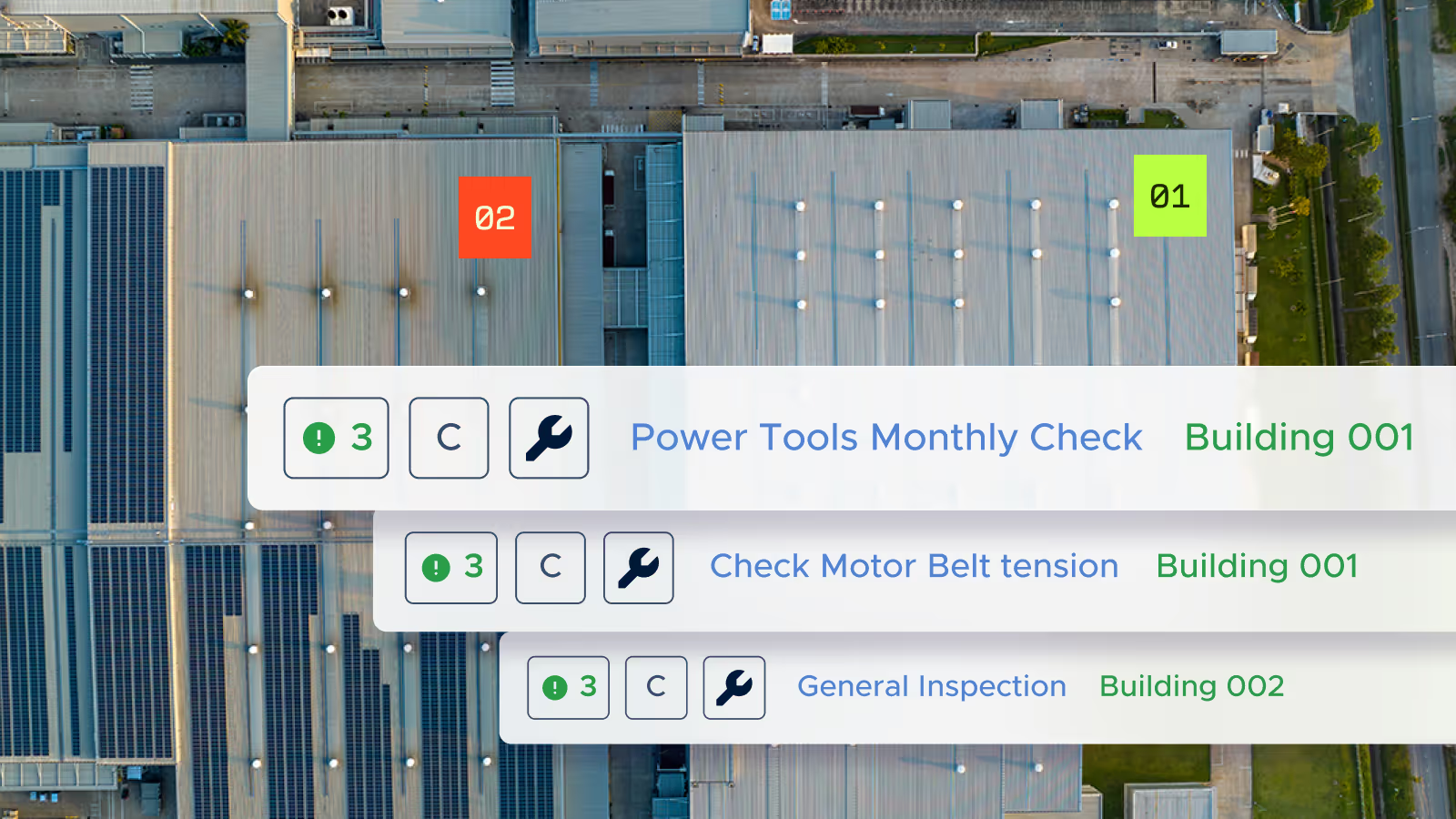
Facility managers overseeing multiple enterprise properties, including commercial real estate and healthcare use Limble to scale maintenance planning, PMs, and asset management without adding unnecessary complexity. Configure flexible templates and settings to your requirements for safety, regulatory compliance, and uptime.
Proven results, measurable impact





Ready to learn more about Limble?
Schedule a demo or calculate your price right away.
FAQ for CMMS software
Key features to look for in a CMMS solution:
- Work Order Management: Track work orders from start to finish.
- Preventive Maintenance Scheduling: Automates the scheduling of maintenance needs to minimize downtime and ensure equipment reliability.
- Asset Tracking: Centralizes asset information and maintenance history.
- Inventory Management: Tracks inventory and ensures parts availability, minimizing delays and keeping maintenance operations running smoothly.
- Analytics: Delivers actionable insights into maintenance work and costs, supporting data-driven decision-making for improved maintenance program.
- EAM (Enterprise Asset Management) Readiness: The capability of a CMMS platform to scale for enterprise requirements and seamlessly integrate with other systems like ERP and more.
These features enhance efficiency, reduce costs, prevent breakdowns, and extend asset lifespan while improving reliability. Learn more about CMMS features.
Facility managers, operations managers, and asset managers use CMMS software to streamline audits, ensure regulatory compliance, schedule preventive maintenance tasks, and efficiently manage asset lifecycles. It is widely used in industries like manufacturing, education, energy & utilities, and food & beverage to help optimize resources and improve maintenance processes.
Implementing CMMS software often takes 6 to 12 months. With Limble, recognized as the best CMMS software, customers see value in just 3 weeks. Our product experts provide 24/7 hands-on support and ensure seamless migration every step of the way.
Limble’s CMMS can integrate with IoT devices and other software systems to enable real-time asset health monitoring, collecting of critical data on equipment performance. This supports predictive maintenance by identifying potential issues early, reducing downtime, and scheduling repairs before failures occur.